
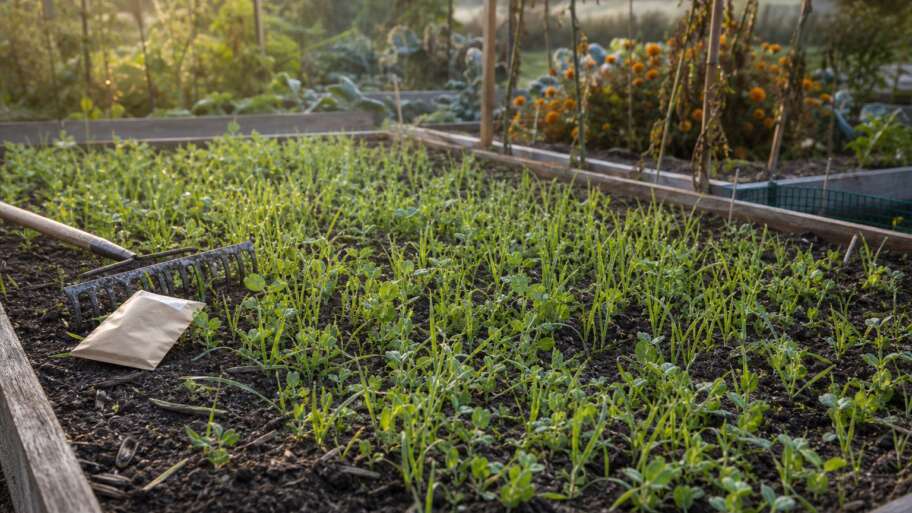
By early September, a vegetable bed can look oddly exposed. The tomatoes may still be standing, but the first cleared spaces have begun to appear: a row where beans finished, a square where onions came out, the tired patch where cucumbers finally gave up. The garden is not empty, but it has begun opening little windows of bare soil. That…
Plant Science & Curiosities
The mechanisms and patterns behind what gardeners observe, from pollination and plant movement to unusual structures and ecological relationships.
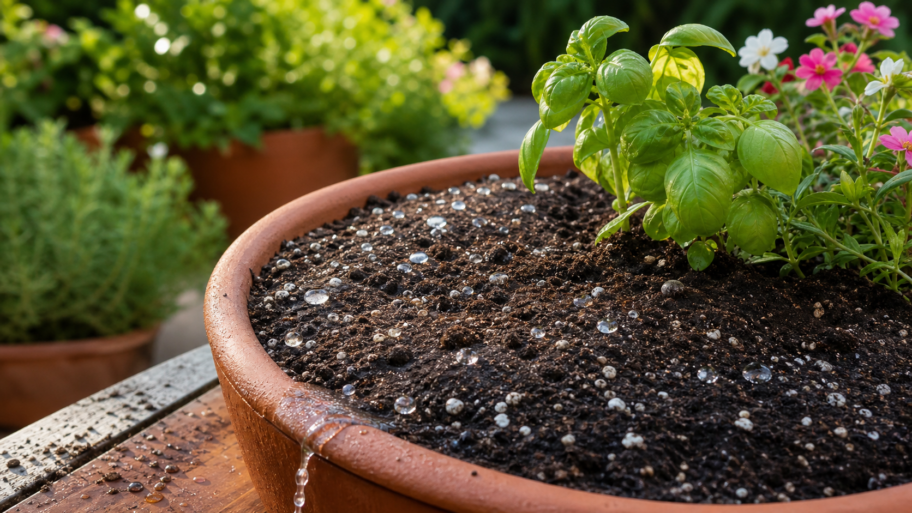
By late August, a container can look watered and still be thirsty. The surface darkens for a moment, clear beads gather on the potting mix like rain on waxed paper, and then water slips down the inside wall of the pot and appears at the drainage hole almost too quickly. The gardener has watered. The roots, inconveniently, may not have…
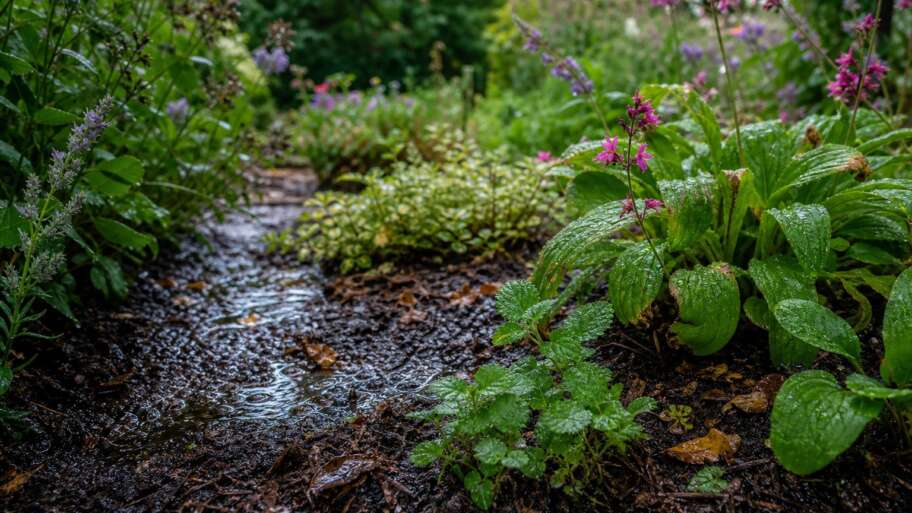
The first rain after a dry spell changes a garden before the soil is visibly wet. A smell rises from the path, the mulched beds, the cracks between paving stones, and the dark places under shrubs. It is clean and earthy at once, familiar enough to feel emotional, but not vague at all. The garden is releasing chemistry. Gardeners often…
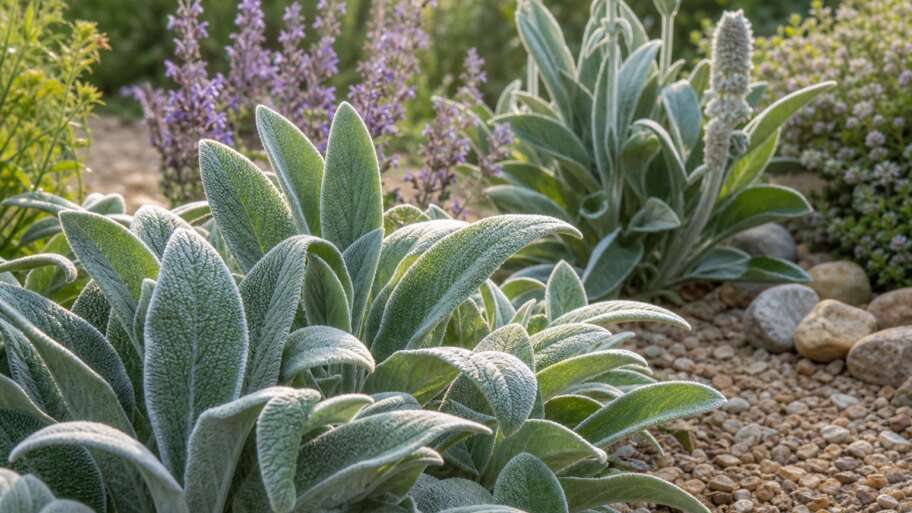
Brush your fingers across lamb’s ear on an August morning and the leaf seems almost animal. It is cool, pale, and impossibly soft, like the plant has grown its own weatherproof coat. That softness is not a decorative accident. It is architecture. The velvet on a leaf is made of trichomes: tiny outgrowths from the plant’s surface. Some are simple…
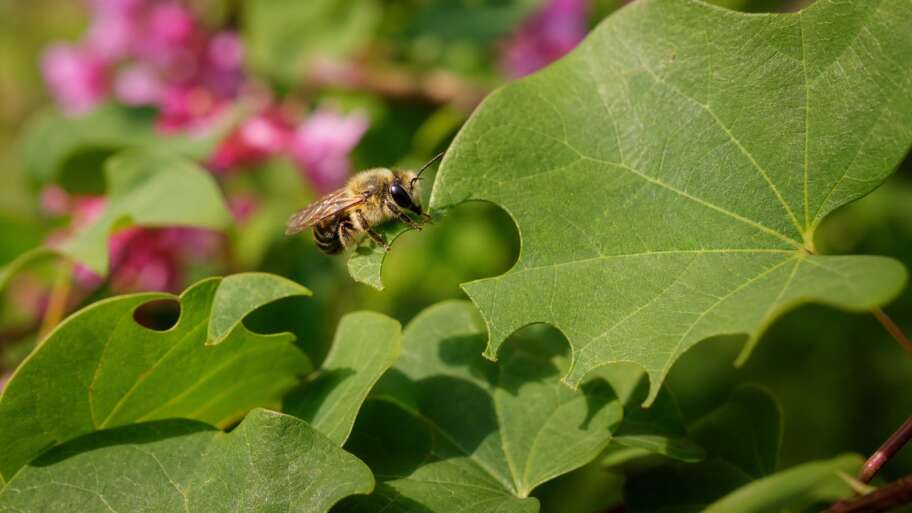
By late July, a rose leaf can look as if someone has touched it with a miniature punch. The edges are not shredded. The center is not speckled. Instead, neat half-moons have vanished from the margins, each one as clean as a bite taken by a very tidy pair of scissors. It is easy to read this as damage, because…
Read more about Why some leaves are cut into perfect circles
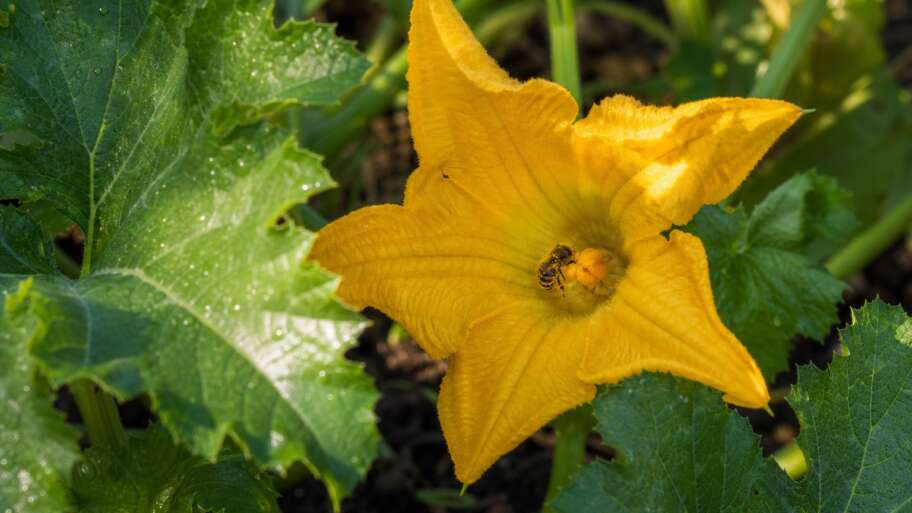
A squash blossom is not a flower that lingers. It opens like a little lantern in the cool part of the morning, spends its best hours in the company of bees, and by afternoon begins to fold, soften, and give itself back to the plant. If you walk the vegetable garden at breakfast, the flowers look generous. If you wait…
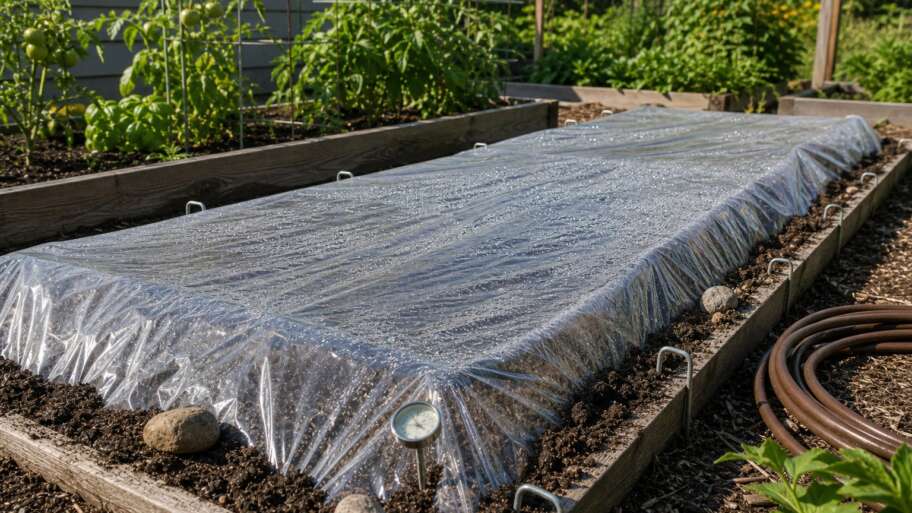
Soil solarization is gardening’s most disciplined use of a hot spell. Instead of fighting July heat, you borrow it. A bed is watered deeply, covered tightly with clear plastic, and left under the sun until the upper soil becomes hot enough to weaken weeds, weed seeds, some soilborne diseases, and certain pests. It looks almost too simple: bare soil, plastic,…
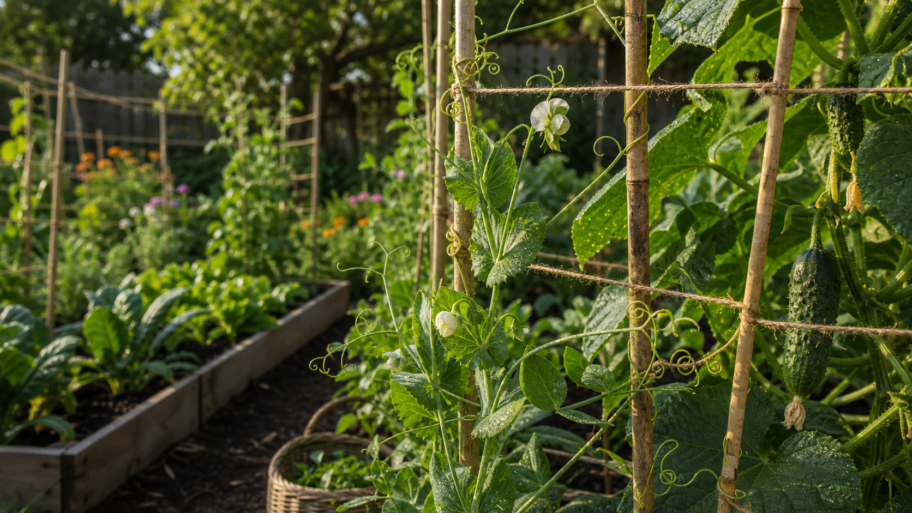
A climbing plant begins with an apparent problem: it wants light, but it has not paid the full woody price of a tree. Rather than relying on a self-supporting trunk, it borrows the garden. A pea finds netting. A cucumber finds twine. A clematis catches a wire with a curling leafstalk. A grapevine reaches, touches, tightens, and turns a fence…
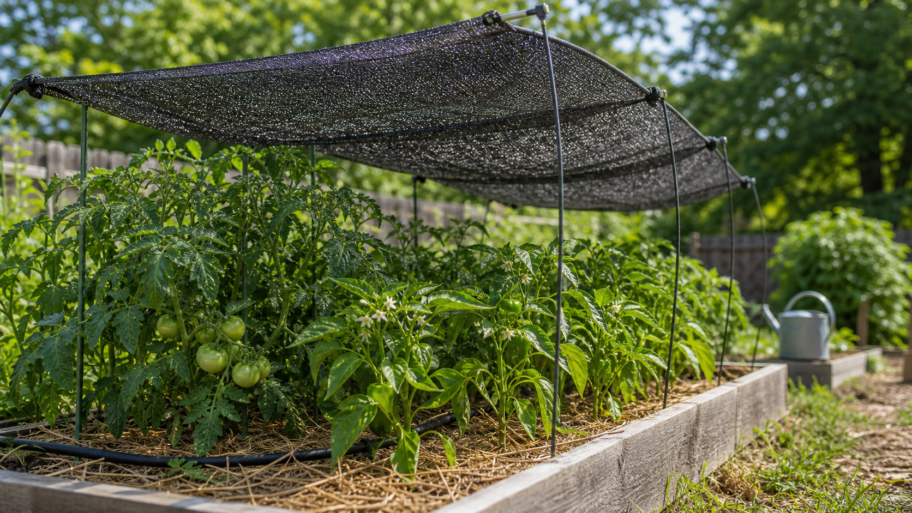
Gardeners are taught to chase sun. Six hours for tomatoes, full sun for peppers, the brightest bed for basil, the open border for flowers that sulk in shade. This is good advice until it is not. By midsummer, especially in a heat wave, full sun can stop being a gift and become an argument the plant is losing. Shade cloth…
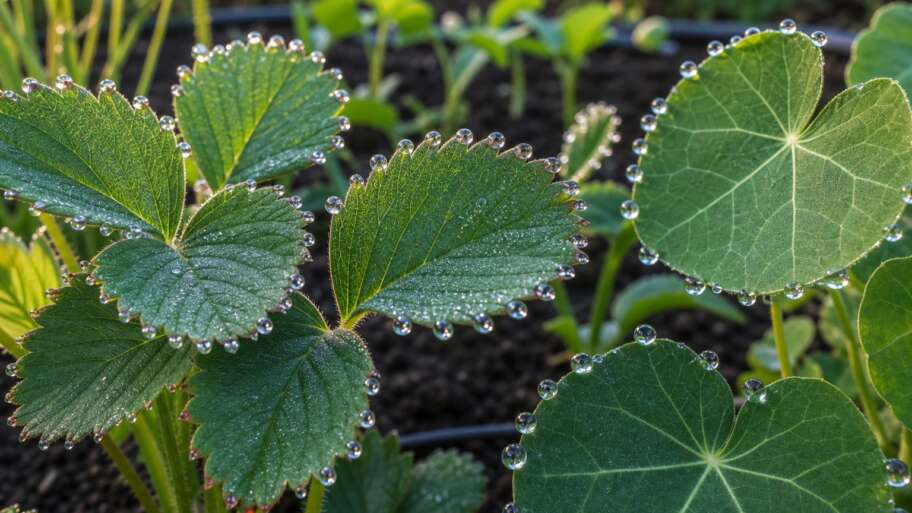
Some mornings, a garden looks as if it has been arranged by someone with a jeweler’s patience. Tiny droplets sit on the teeth of strawberry leaves. Beans carry clear beads at the very tips of their young leaflets. Grass blades hold a bright point of water where each blade narrows to a tip. The pattern is too neat to be…