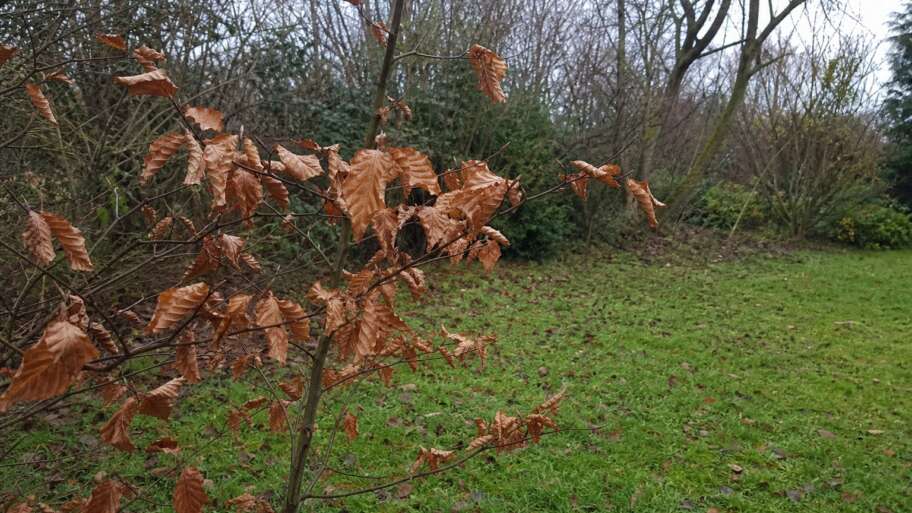

By November, most deciduous trees have become honest silhouettes. The maple has emptied itself. The serviceberry is bare. The birch has given its leaves to the path. Then, at the woodland edge or in a young hedge, a beech or oak still stands with dry copper leaves clinging to every twig, rattling softly whenever the wind moves through. It can…
Plant Guides
Close looks at garden and houseplants: their identifying features, growth habits, uses, limitations, and site-specific care.
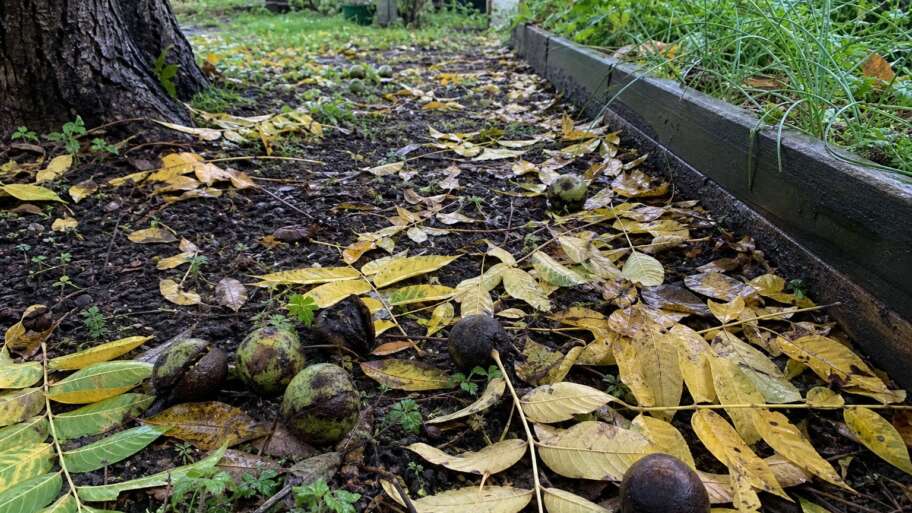
A black walnut makes itself known in October. The leaves yellow and fall in long, feathery pieces. The nuts drop with a weight you can feel through the soles of your shoes. Their green husks darken, bruise, and stain almost anything that touches them. Under the tree, the ground becomes a small map of influence: shade, roots, shells, leaflets, squirrels,…
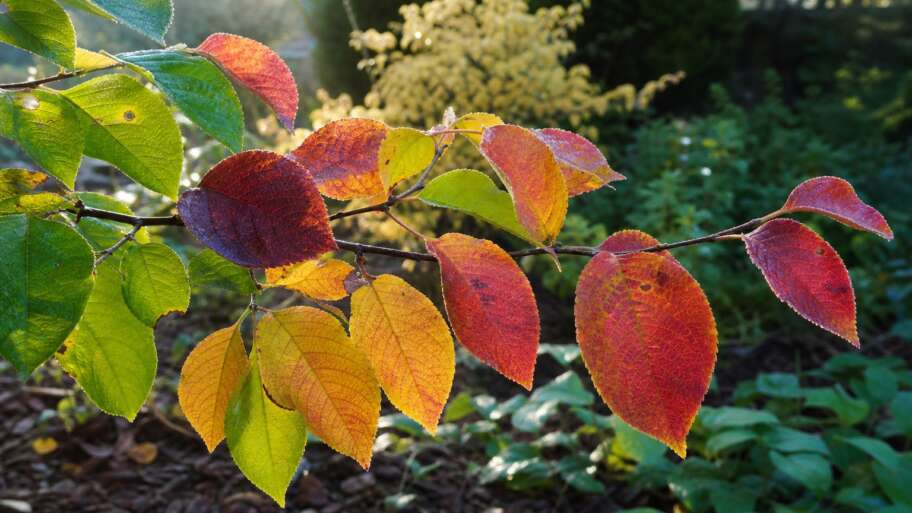
By late September, the garden begins to keep two calendars at once. Tomatoes may still be ripening. Dahlias may still be loud. But above them, a serviceberry starts to ember at the edges, a dogwood darkens toward wine, and a maple holds green, yellow, and red on the same branch as if it has not yet decided what season it…
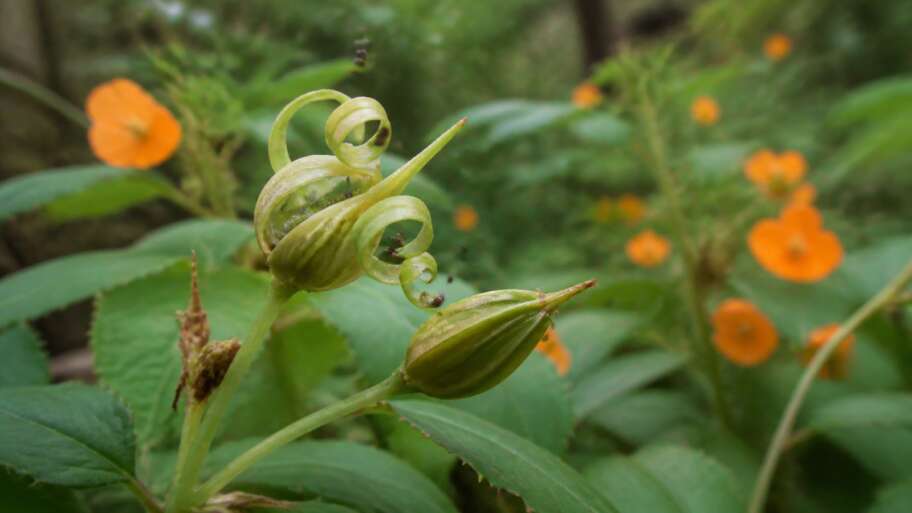
September is when the garden begins to sound different. The bees are still working the late flowers, the tomatoes are softening faster than anyone can use them, and some seed pods have become so tense with readiness that a fingertip can make them spring apart. Touch a ripe jewelweed pod and it does not simply open. It startles. The little…
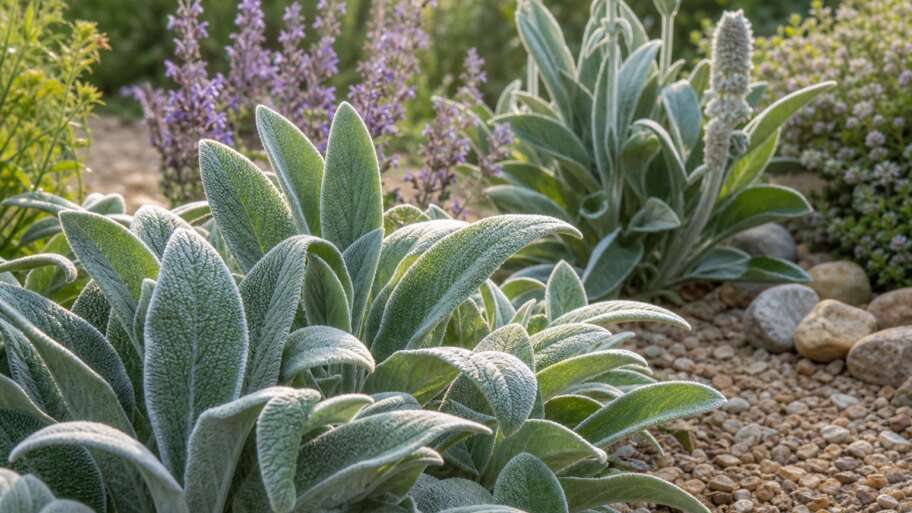
Brush your fingers across lamb’s ear on an August morning and the leaf seems almost animal. It is cool, pale, and impossibly soft, like the plant has grown its own weatherproof coat. That softness is not a decorative accident. It is architecture. The velvet on a leaf is made of trichomes: tiny outgrowths from the plant’s surface. Some are simple…
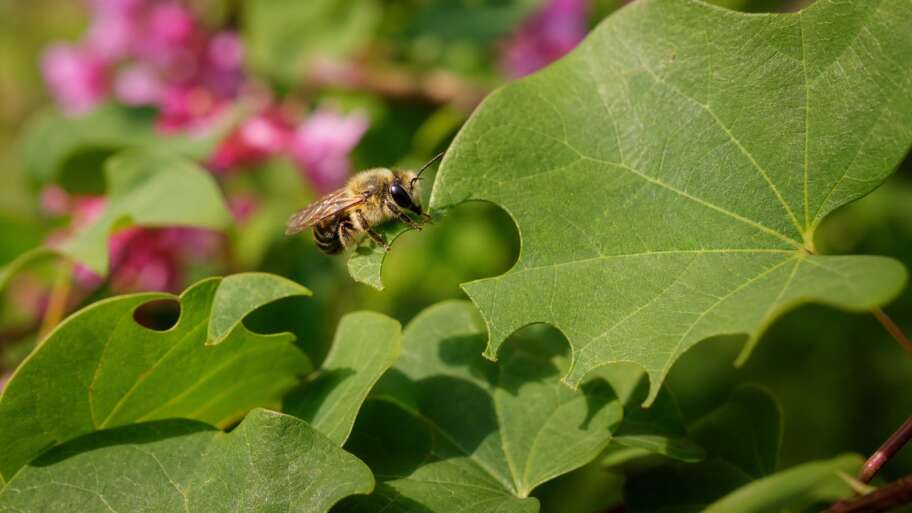
By late July, a rose leaf can look as if someone has touched it with a miniature punch. The edges are not shredded. The center is not speckled. Instead, neat half-moons have vanished from the margins, each one as clean as a bite taken by a very tidy pair of scissors. It is easy to read this as damage, because…
Read more about Why some leaves are cut into perfect circles
A squash blossom is not a flower that lingers. It opens like a little lantern in the cool part of the morning, spends its best hours in the company of bees, and by afternoon begins to fold, soften, and give itself back to the plant. If you walk the vegetable garden at breakfast, the flowers look generous. If you wait…
By early July, a flower border begins to show its decisions. Some stems are still in full color. Some are carrying petals that have curled, browned, and collapsed around the center. Others have already moved on, quietly swelling seed heads where a bloom used to be. The garden is not finished, but it is changing its mind. Deadheading is the…
A climbing plant begins with an apparent problem: it wants light, but it has not paid the full woody price of a tree. Rather than relying on a self-supporting trunk, it borrows the garden. A pea finds netting. A cucumber finds twine. A clematis catches a wire with a curling leafstalk. A grapevine reaches, touches, tightens, and turns a fence…
Some mornings, a garden looks as if it has been arranged by someone with a jeweler’s patience. Tiny droplets sit on the teeth of strawberry leaves. Beans carry clear beads at the very tips of their young leaflets. Grass blades hold a bright point of water where each blade narrows to a tip. The pattern is too neat to be…