
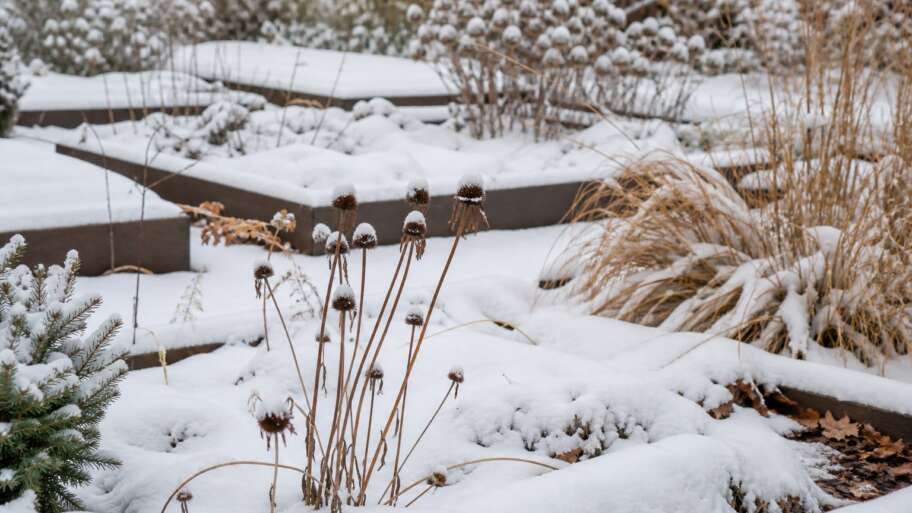
By mid-December, a garden can vanish in the night. Paths soften, beds lose their edges, and the seed heads that looked architectural in November become little dark punctuation marks above a white page. Snow seems to simplify everything. It hides the unfinished jobs, the uncut stems, the fallen leaves that escaped the rake, and the soil you meant to mulch…
plant science
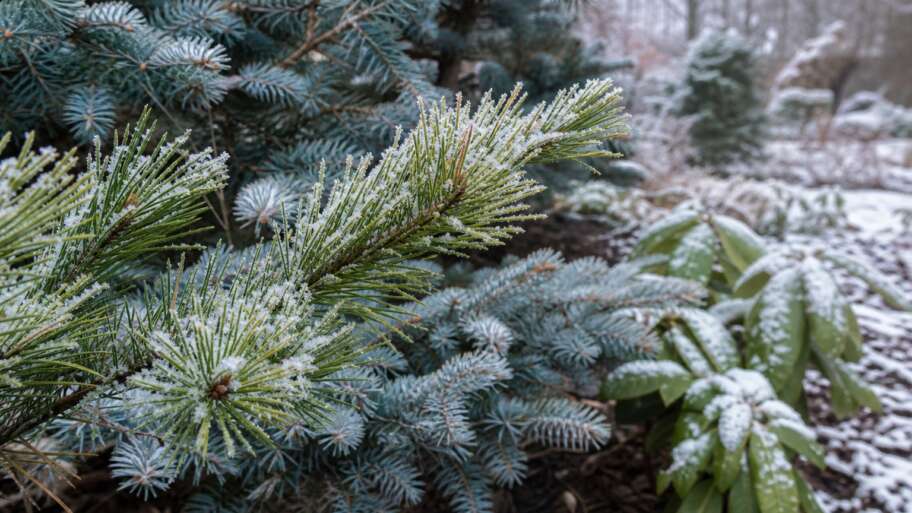
In December, a garden becomes very honest. The flowers have stopped covering weak structure. Herbaceous stems have collapsed or turned to seed. Deciduous trees have taken their color down to bark, bud, and branch. Then the evergreens begin to look almost improbable: pine, spruce, yew, holly, boxwood, rhododendron, juniper. They stand in the cold with leaves still attached, as if…
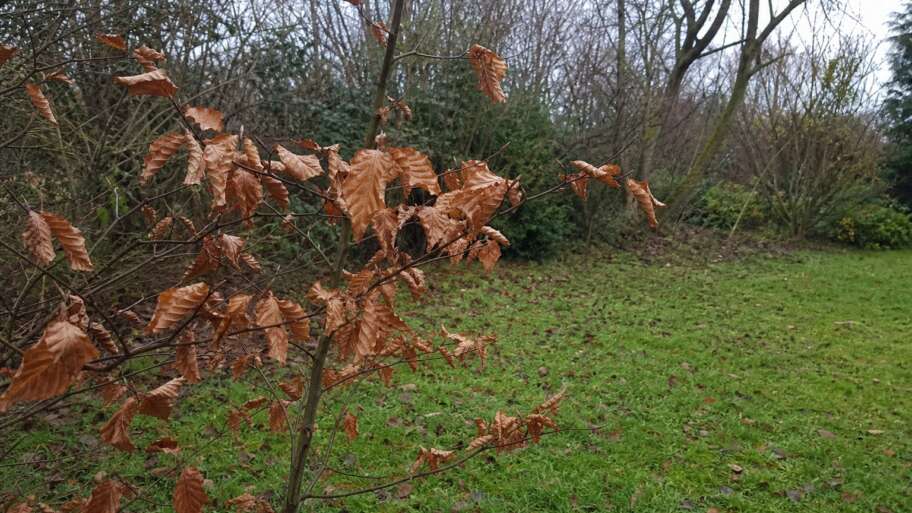
By November, most deciduous trees have become honest silhouettes. The maple has emptied itself. The serviceberry is bare. The birch has given its leaves to the path. Then, at the woodland edge or in a young hedge, a beech or oak still stands with dry copper leaves clinging to every twig, rattling softly whenever the wind moves through. It can…
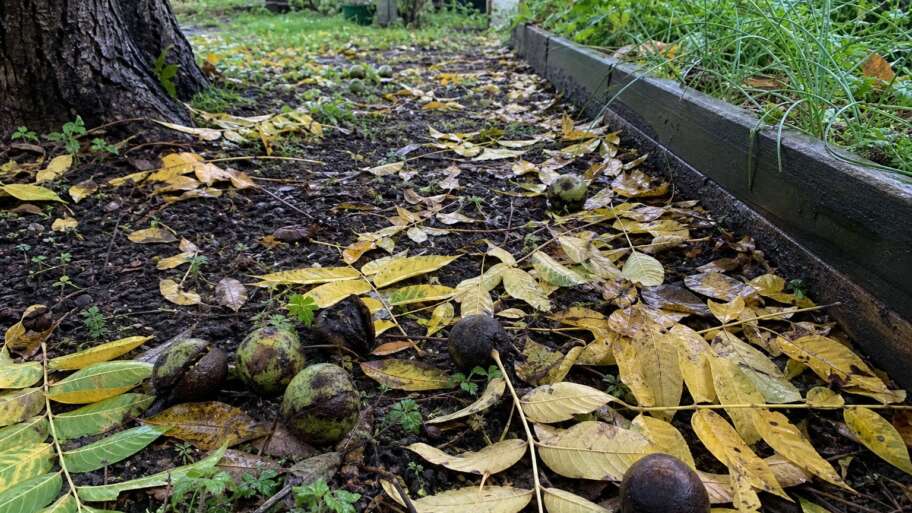
A black walnut makes itself known in October. The leaves yellow and fall in long, feathery pieces. The nuts drop with a weight you can feel through the soles of your shoes. Their green husks darken, bruise, and stain almost anything that touches them. Under the tree, the ground becomes a small map of influence: shade, roots, shells, leaflets, squirrels,…
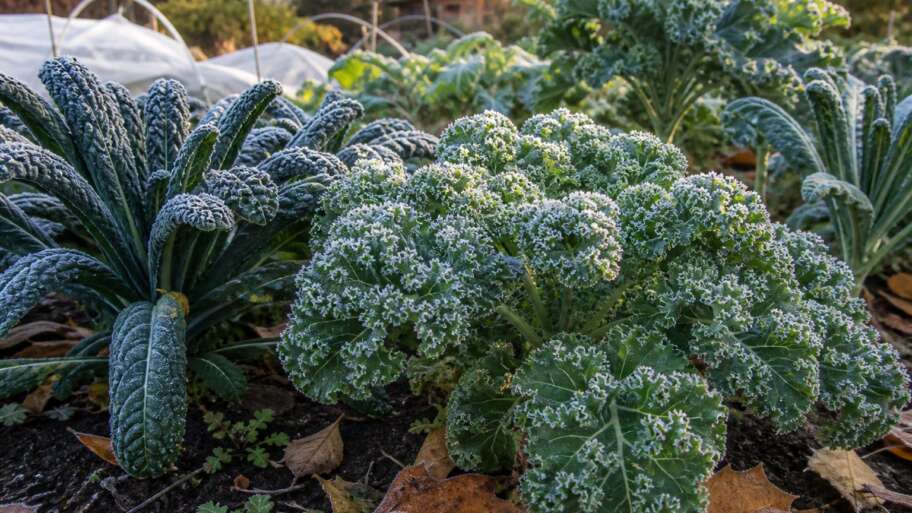
Kale looks almost theatrical after the first real frost. The leaves are darker than they were in September, their ruffled edges traced with white, their surfaces stiffened just enough to catch the low morning light. A gardener who does not know the plant might think the crop has been damaged. A gardener who has eaten from the bed before and…
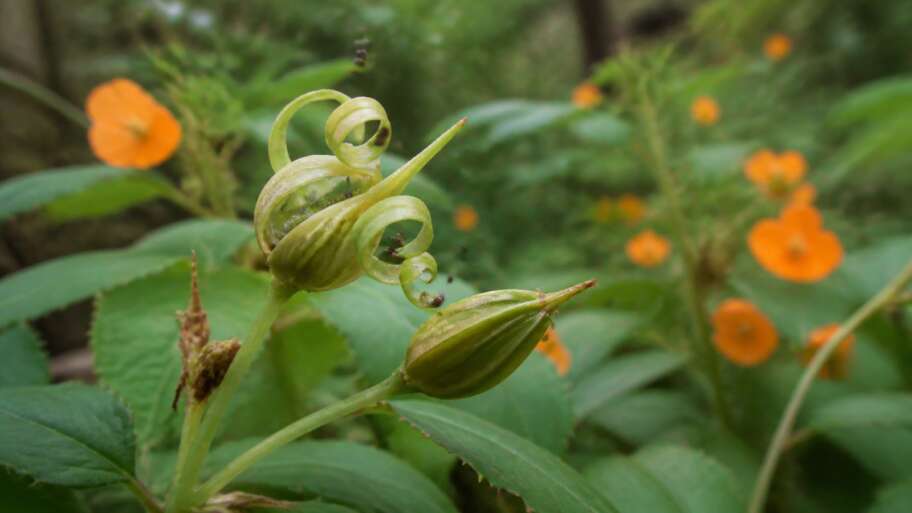
September is when the garden begins to sound different. The bees are still working the late flowers, the tomatoes are softening faster than anyone can use them, and some seed pods have become so tense with readiness that a fingertip can make them spring apart. Touch a ripe jewelweed pod and it does not simply open. It startles. The little…
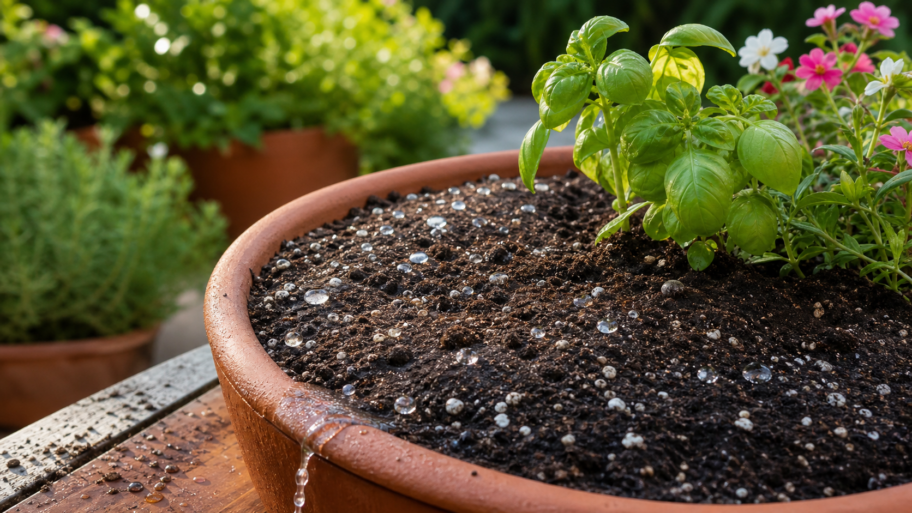
By late August, a container can look watered and still be thirsty. The surface darkens for a moment, clear beads gather on the potting mix like rain on waxed paper, and then water slips down the inside wall of the pot and appears at the drainage hole almost too quickly. The gardener has watered. The roots, inconveniently, may not have…
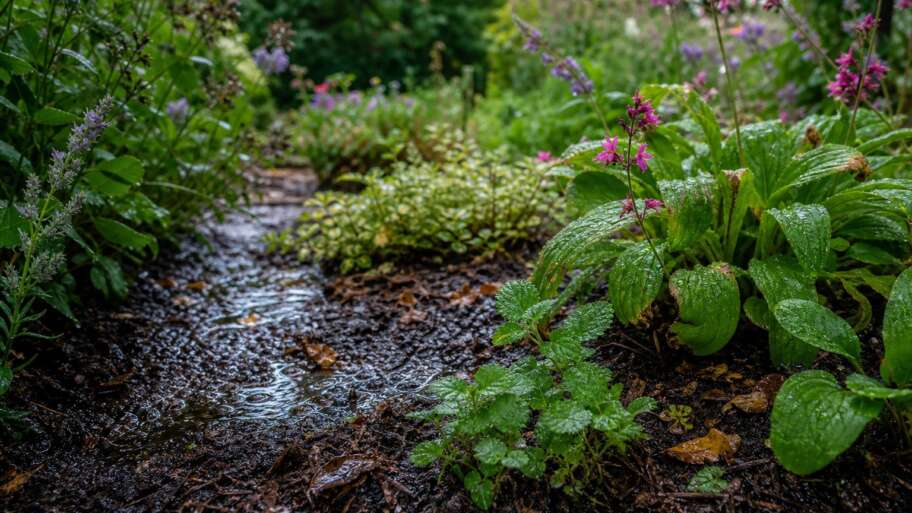
The first rain after a dry spell changes a garden before the soil is visibly wet. A smell rises from the path, the mulched beds, the cracks between paving stones, and the dark places under shrubs. It is clean and earthy at once, familiar enough to feel emotional, but not vague at all. The garden is releasing chemistry. Gardeners often…
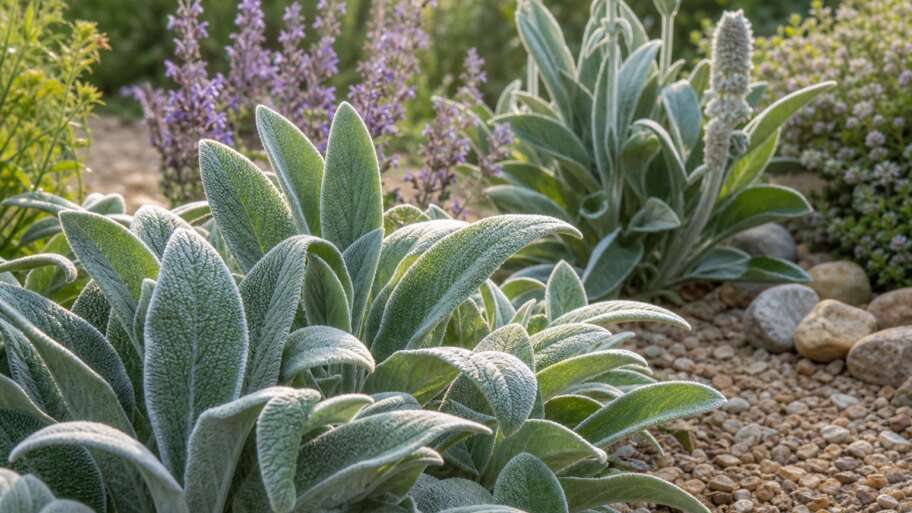
Brush your fingers across lamb’s ear on an August morning and the leaf seems almost animal. It is cool, pale, and impossibly soft, like the plant has grown its own weatherproof coat. That softness is not a decorative accident. It is architecture. The velvet on a leaf is made of trichomes: tiny outgrowths from the plant’s surface. Some are simple…
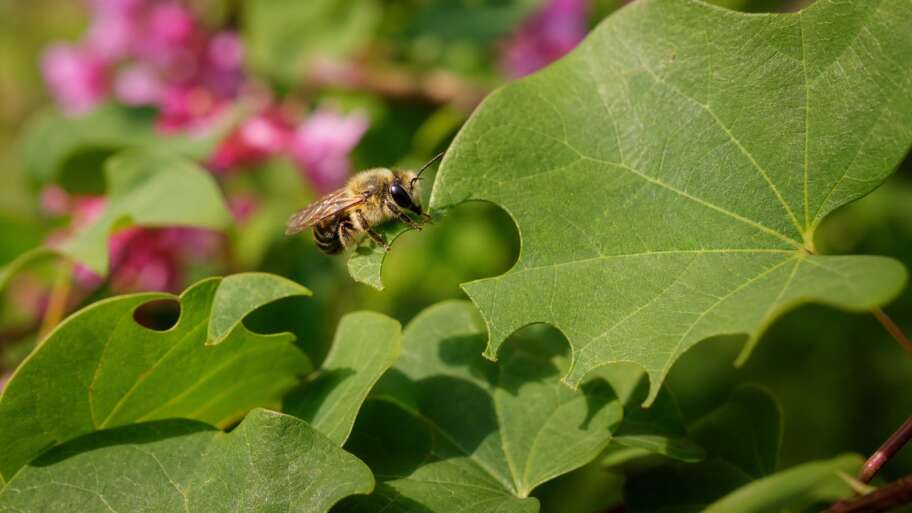
By late July, a rose leaf can look as if someone has touched it with a miniature punch. The edges are not shredded. The center is not speckled. Instead, neat half-moons have vanished from the margins, each one as clean as a bite taken by a very tidy pair of scissors. It is easy to read this as damage, because…
Read more about Why some leaves are cut into perfect circles