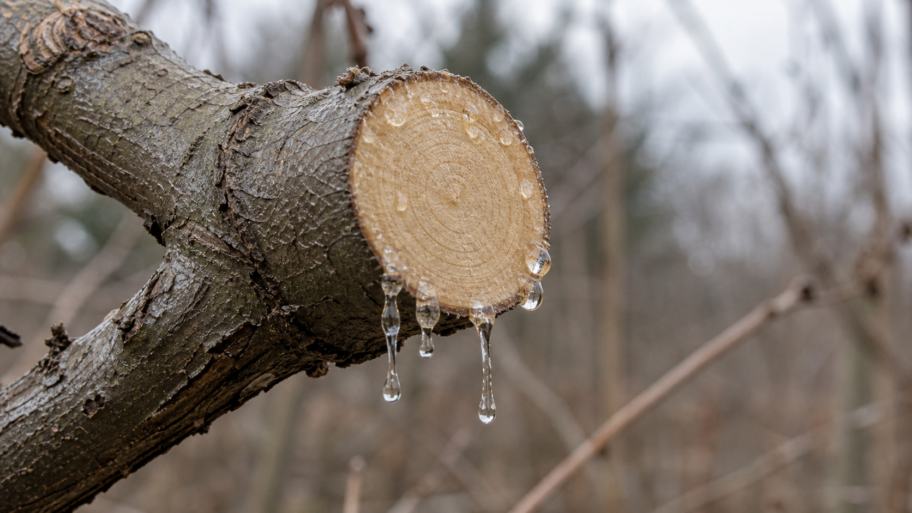

A fresh cut on a March branch can look unexpectedly dramatic. One minute you are doing the sensible work of late-winter pruning. The next, a maple twig or grape cane is shining with clear drops, and the cut seems to be weeping as if the plant has changed its mind about the whole operation. This is the sort of small…
plant science
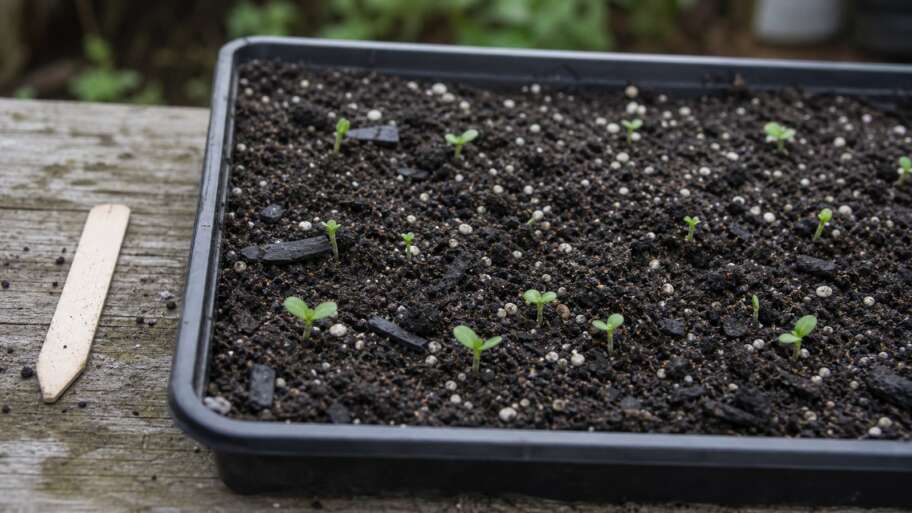
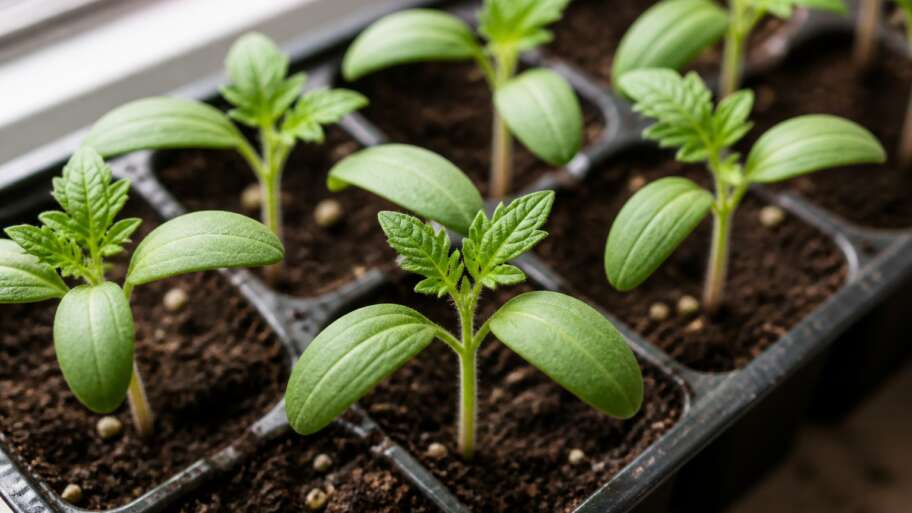
An indoor seed-starting tray can make the gardening year feel suddenly physical. One week the packets are still paper promises. The next, thin green stems are lifting paired little leaves above the mix. They are so small that it is easy to treat them as decoration. In fact, they are a working system. The first leaves on many seedlings do…
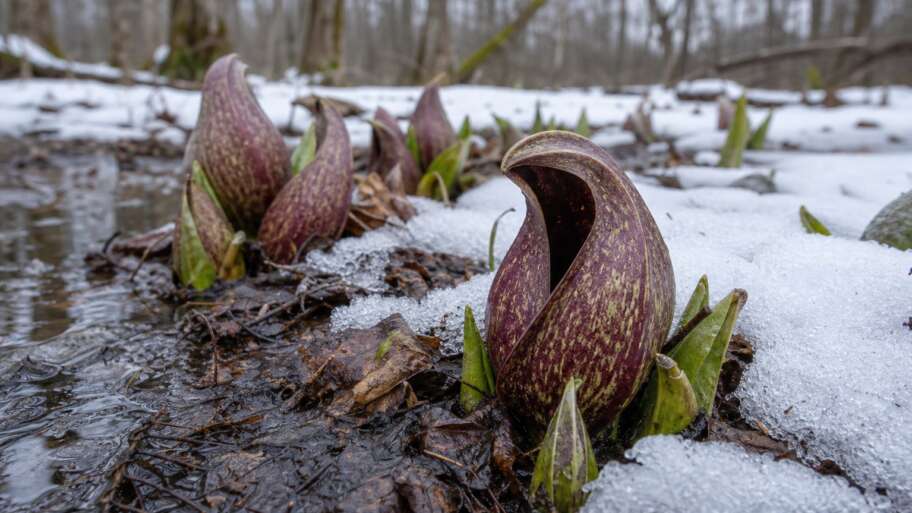
Before the woodland has much color to offer, eastern skunk cabbage is already making weather of its own. It rises from wet leaf litter while snow still lingers in the shaded hollows, often with a clean melted ring around each maroon hood. Look closely and it does not resemble cabbage at all. It looks more like a small, mottled lantern…
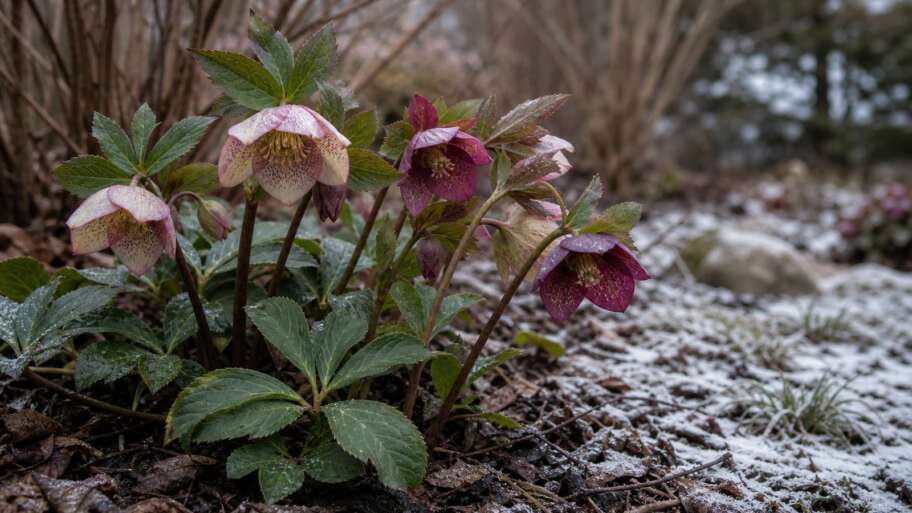
February is not a generous month in most gardens. It gives you mud, flattened leaves, and a few green shoots that may or may not mean spring is serious. Then a hellebore opens, and the whole scene becomes more interesting. It is not an easy flower in the theatrical sense. Hellebores make you stoop. Their blooms tilt toward the soil…
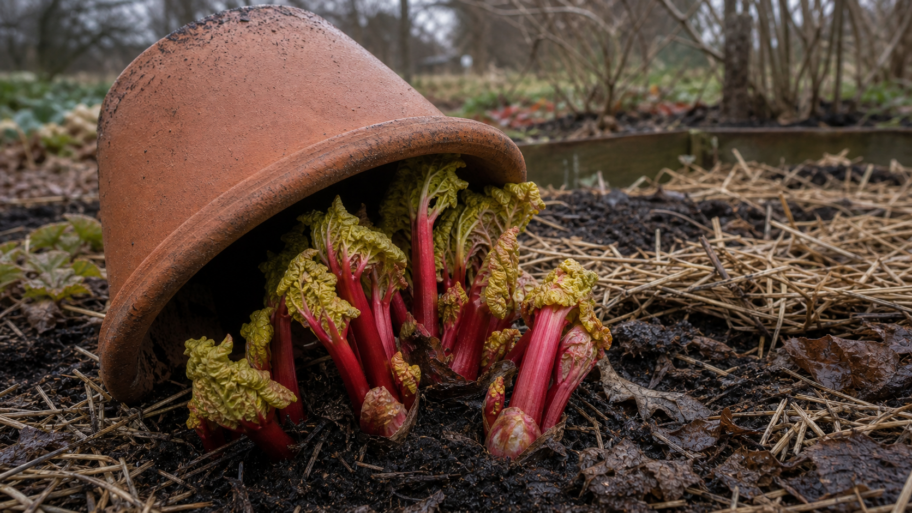
In February, a rhubarb crown can look like nothing at all. The leaves are gone, the bed is flat, and the plant seems to have retreated into a knot of roots below cold soil. Then a gardener puts a dark pot over it, waits, and finds red stems rising in the absence of light, tender and bright as if spring…
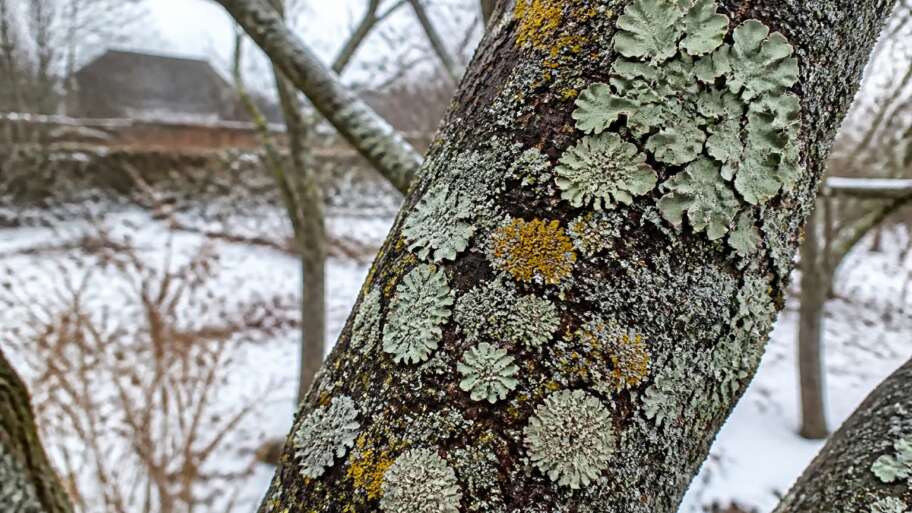
January makes tree bark readable. The leaves are gone, the herbaceous border has collapsed into stems and seed heads, and the garden has stopped distracting us with flowers. What remains is quieter but not empty: twigs, buds, bark plates, old pruning cuts, and pale islands of green, gray, yellow, and blue-green spreading across trunks like weather maps. Those patches are…
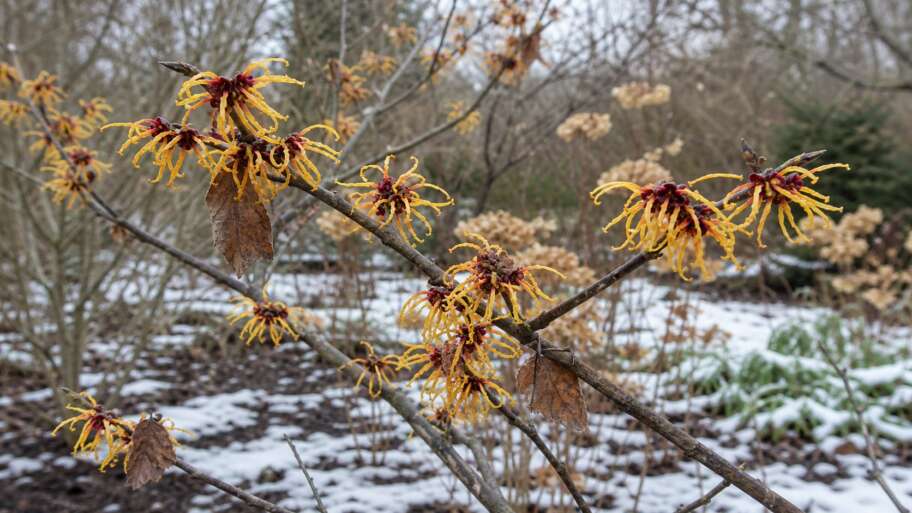
In January, a flowering shrub can feel almost unreasonable. The garden is mostly structure: bark, seed heads, mulch, stone, the green insistence of evergreens. Then witch hazel opens on bare wood. Its flowers do not arrive as soft spring cups or summer trumpets. They arrive as thin ribbons, yellow or copper or red, curling and uncurling in the cold like…
By mid-December, a garden can vanish in the night. Paths soften, beds lose their edges, and the seed heads that looked architectural in November become little dark punctuation marks above a white page. Snow seems to simplify everything. It hides the unfinished jobs, the uncut stems, the fallen leaves that escaped the rake, and the soil you meant to mulch…
In December, a garden becomes very honest. The flowers have stopped covering weak structure. Herbaceous stems have collapsed or turned to seed. Deciduous trees have taken their color down to bark, bud, and branch. Then the evergreens begin to look almost improbable: pine, spruce, yew, holly, boxwood, rhododendron, juniper. They stand in the cold with leaves still attached, as if…
By November, most deciduous trees have become honest silhouettes. The maple has emptied itself. The serviceberry is bare. The birch has given its leaves to the path. Then, at the woodland edge or in a young hedge, a beech or oak still stands with dry copper leaves clinging to every twig, rattling softly whenever the wind moves through. It can…