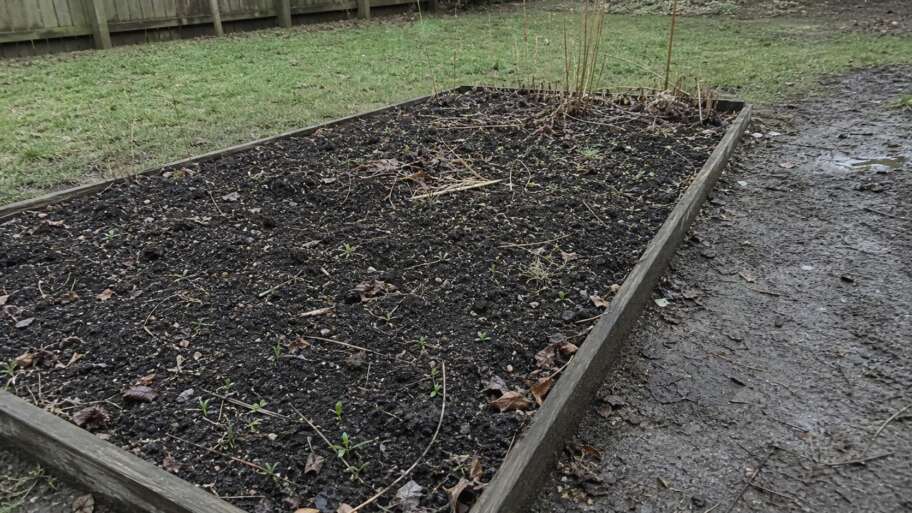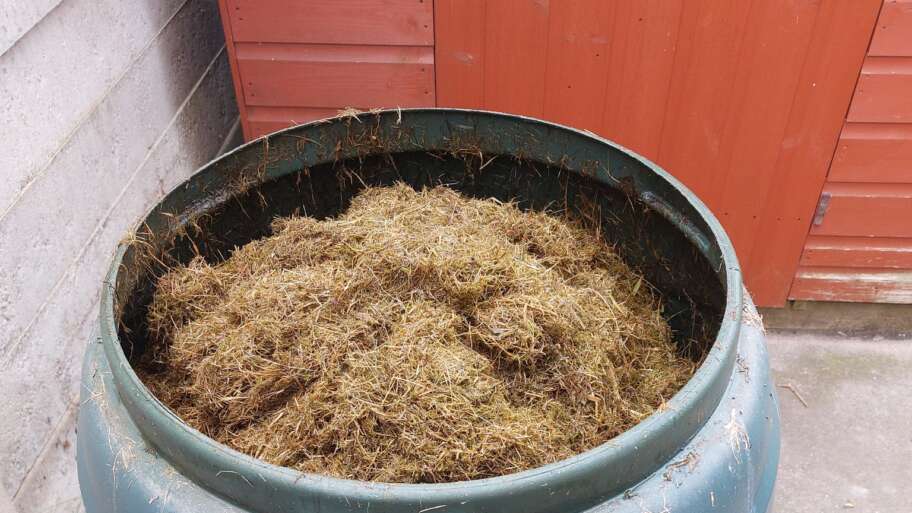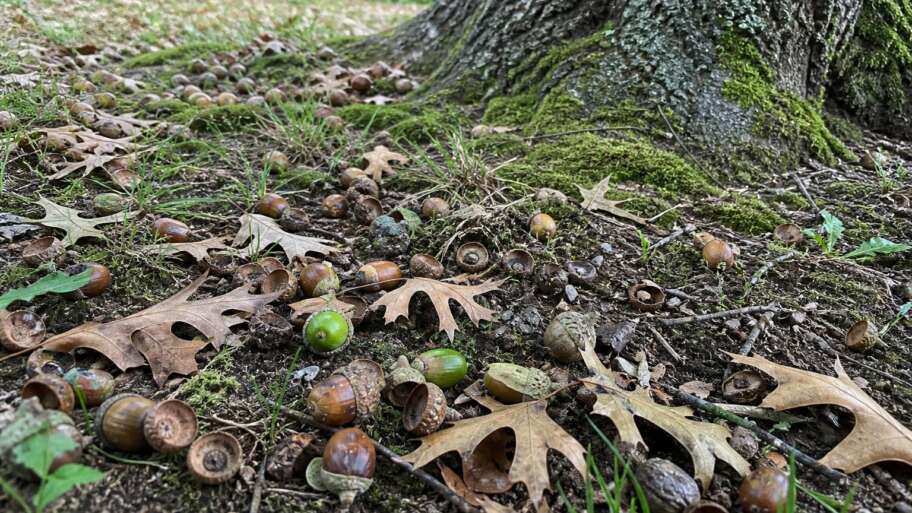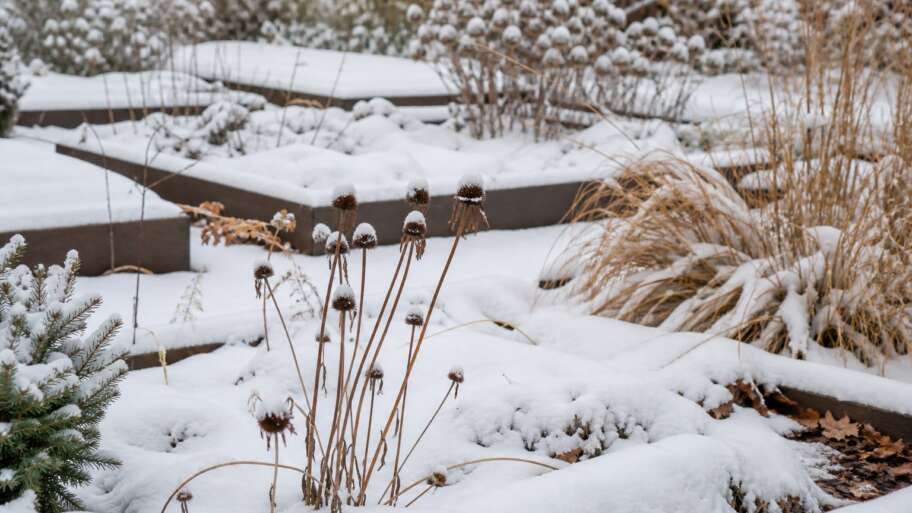

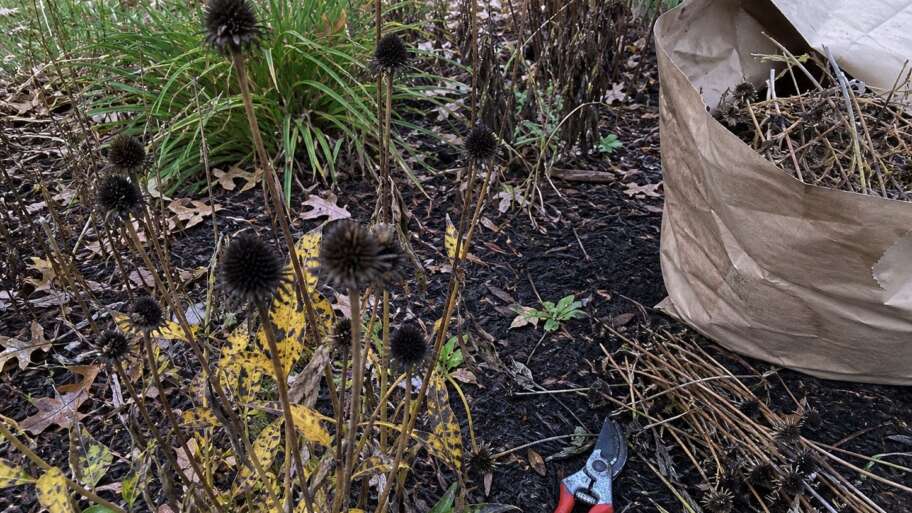
A spotless October garden has excellent public relations. The stems are gone. The leaves are bagged. The beds are shaved down to mulch and labels. From the sidewalk, it looks responsible, almost moral, as if the gardener has defeated decay itself and sent it away in kraft paper sacks. Here is the irritating truth: a garden that clean is often…
On December 31, a garden can look finished in the most convincing way. The beds are low, the paths are damp, the seed catalogs are beginning to arrive, and the year’s failures have softened into mulch and memory. It is tempting to think the next garden begins when we open a fresh packet in spring. The soil knows better. Under…
On a cold November morning, a compost pile can look strangely alive. The lawn is stiff. The beds are mostly bare. The shed roof may be silvered with frost. Then, from a heap of leaves, stems, peelings, and coffee grounds, a pale veil lifts into the air. It is easy to read that steam as something dramatic: smoke, rot, danger,…
Some autumn mornings begin with a sound before they become a lesson. An acorn hits the roof, then another taps the path, then a whole corner of the garden seems to be clicking and rolling under the oak. By afternoon, the ground has changed texture. The lawn is studded with brown caps. The stone path feels like a loose ball…
By mid-December, a garden can vanish in the night. Paths soften, beds lose their edges, and the seed heads that looked architectural in November become little dark punctuation marks above a white page. Snow seems to simplify everything. It hides the unfinished jobs, the uncut stems, the fallen leaves that escaped the rake, and the soil you meant to mulch…
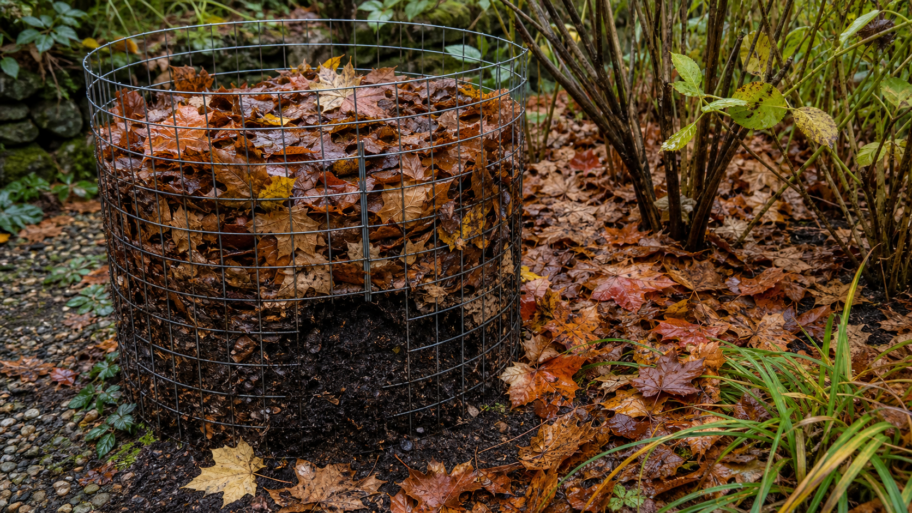
By late October, the garden begins to receive its own mail. Leaves arrive one by one, then by the basketful, sliding from maples, oaks, birches, cherries, serviceberries, and every tree that has decided the season is finished. They collect in corners, gather under shrubs, drift across paths, and make the lawn look as if it has been quietly written over.…
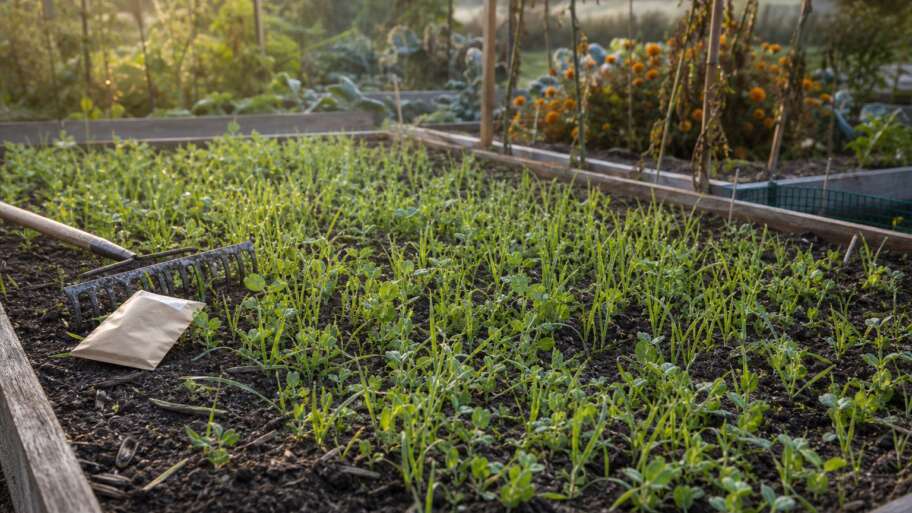
By early September, a vegetable bed can look oddly exposed. The tomatoes may still be standing, but the first cleared spaces have begun to appear: a row where beans finished, a square where onions came out, the tired patch where cucumbers finally gave up. The garden is not empty, but it has begun opening little windows of bare soil. That…
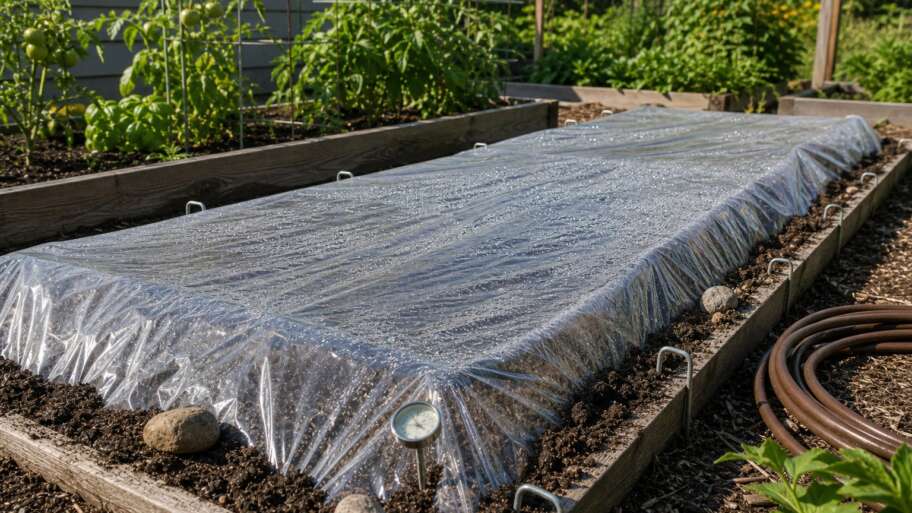
Soil solarization is gardening’s most disciplined use of a hot spell. Instead of fighting July heat, you borrow it. A bed is watered deeply, covered tightly with clear plastic, and left under the sun until the upper soil becomes hot enough to weaken weeds, weed seeds, some soilborne diseases, and certain pests. It looks almost too simple: bare soil, plastic,…
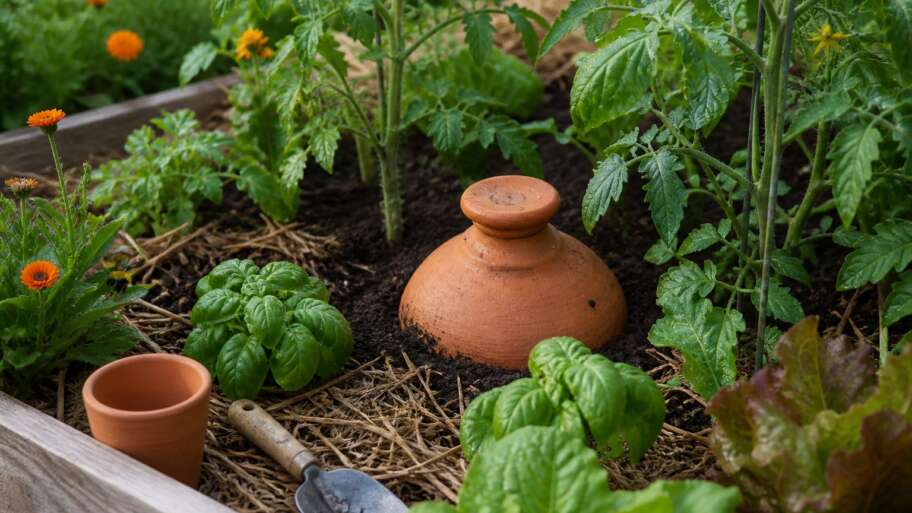
An olla is one of the quietest irrigation tools a gardener can use. It has no timer, no spray pattern, no little plastic emitters to unclog. It is simply an unglazed clay pot, buried in the soil and filled with water, asking the ground around it a patient question: are you thirsty yet? When the surrounding soil is dry, water…
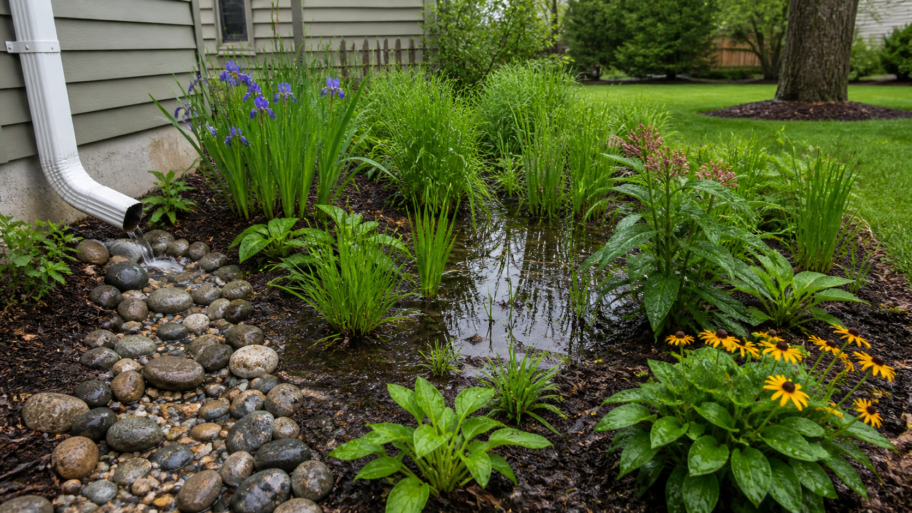
Most gardens are designed for what happens in fair weather: bloom, shade, fragrance, fruit, the shape of a border from a kitchen window. A rain garden begins with a less glamorous question. Where does the water go when the roof, path, driveway, and lawn stop absorbing it? On a hard rain, the answer can be surprisingly visible. Water leaps from…