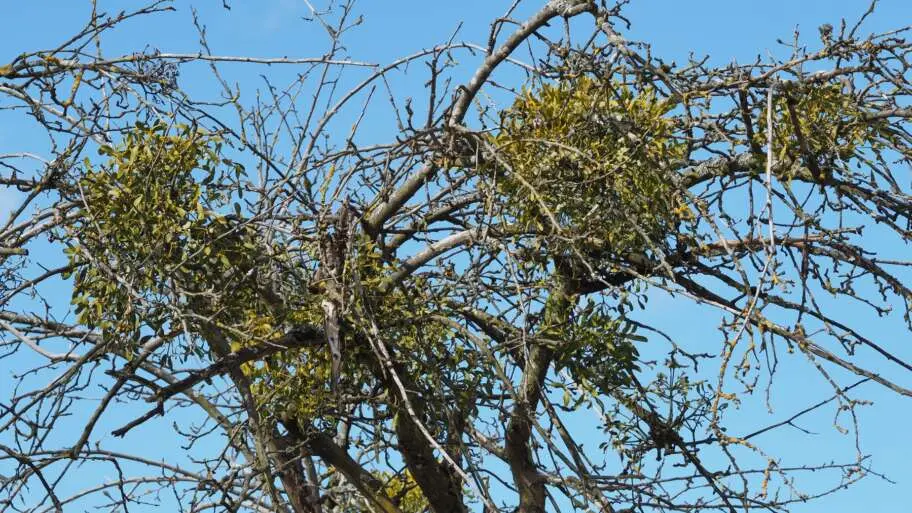

By the last morning of the year, a deciduous tree has usually stopped pretending. The leaves are gone. The soft green noise of summer has fallen away. Every fork, scar, old pruning cut, and awkward branch angle is suddenly visible against the winter sky. That is when the green clump looks most suspicious. High in an apple, poplar, maple, hawthorn,…
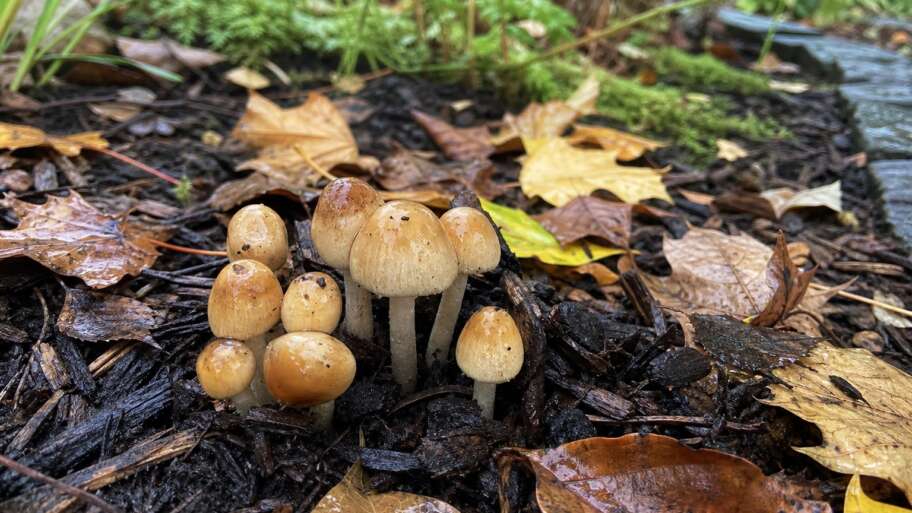
After a night of October rain, a garden bed can look as if someone has quietly moved in furniture. Yesterday there was only dark mulch under the asters, a few yellow leaves, and the damp edge of the path. This morning, a cluster of pale caps is standing there on thin stems, glossy with rain, arranged with the confidence of…
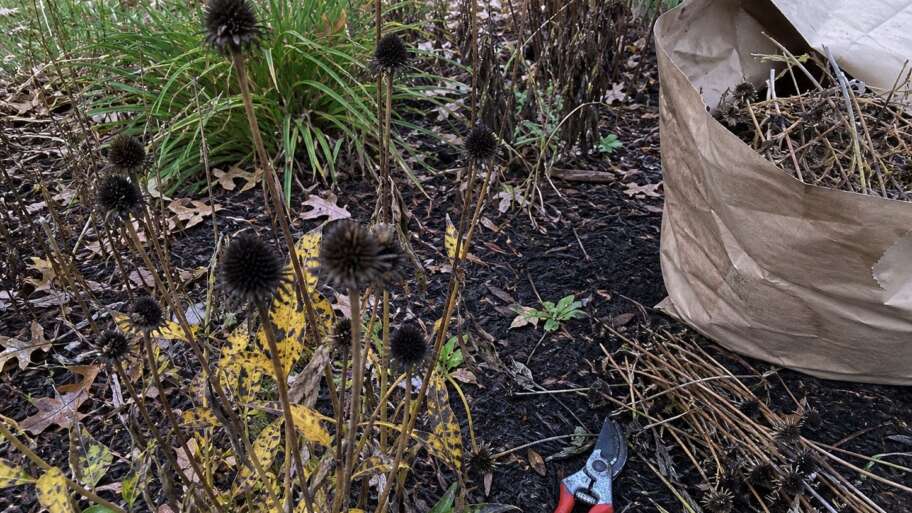
A spotless October garden has excellent public relations. The stems are gone. The leaves are bagged. The beds are shaved down to mulch and labels. From the sidewalk, it looks responsible, almost moral, as if the gardener has defeated decay itself and sent it away in kraft paper sacks. Here is the irritating truth: a garden that clean is often…
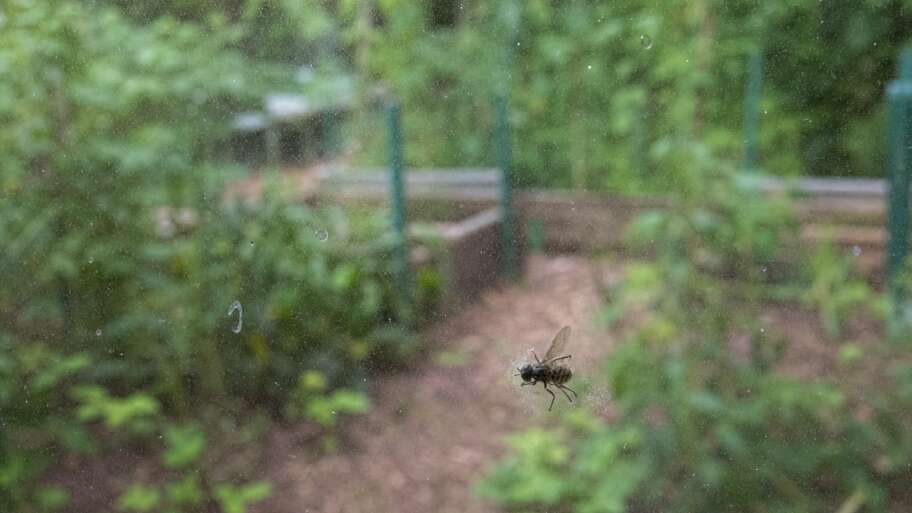
If you ever find a dead fly glued to a window, a fence rail, or the tip of a late-summer plant stem, do not wipe it away too quickly. Look at the wings first. If they are lifted like tiny glass doors, and a pale dusting sits around the body, you may be looking at one of the strangest deaths…
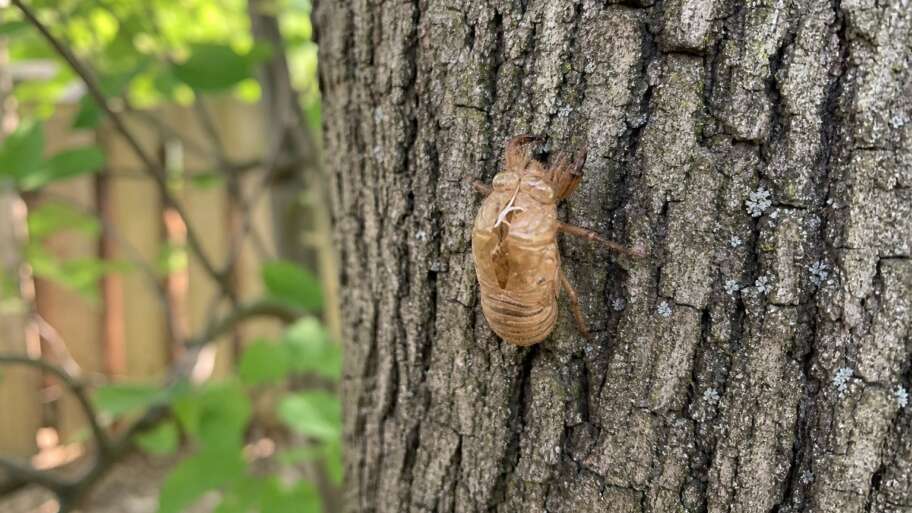
By early August, a tree trunk can start to look faintly haunted. A dry amber husk grips the bark at eye level. Another clings to a fence post beside the compost heap. One turns up on the underside of a hydrangea leaf, still shaped like a creature, but light as old paper. These are not dead cicadas. They are the…
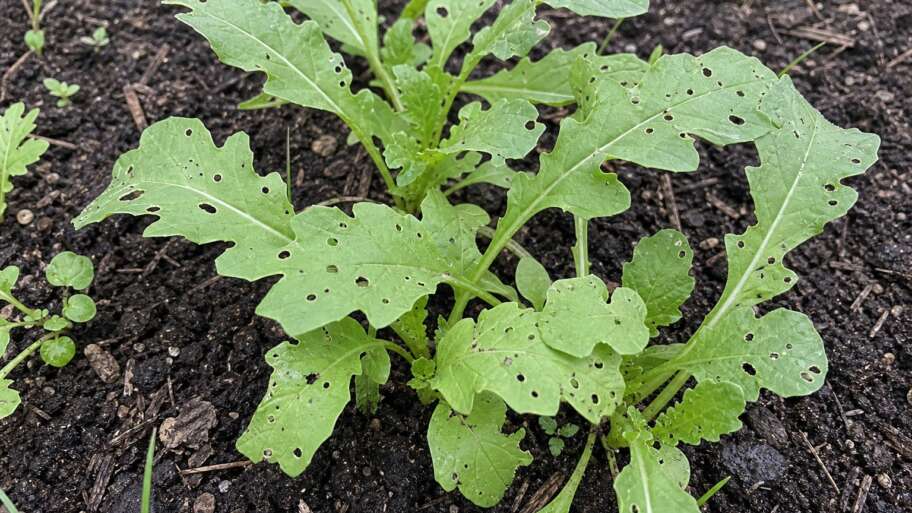
In late April, a bed of young greens can look perfect at breakfast and peppered by lunch. The arugula leaves are still bright and tender. The mustard seedlings are standing. The radish tops look cheerful. But every leaf has acquired tiny round holes, as if someone spent the morning tapping them with a miniature paper punch. The damage is so…
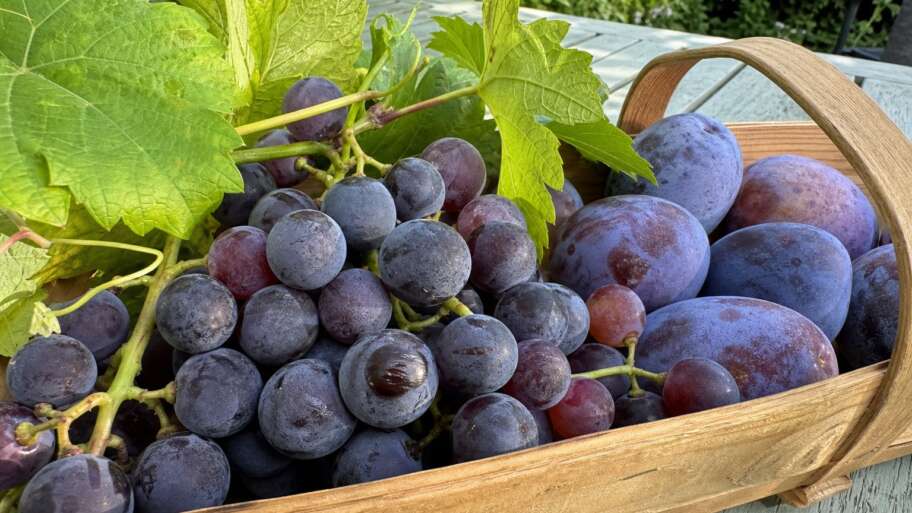
September fruit has a habit of looking more mysterious after you pick it. A cluster of grapes that seemed almost black on the vine turns blue-gray in the basket. A plum looks as if it has been dusted with flour. Touch either one and your fingertip leaves a dark, glossy mark, as though you have rubbed a small window through…
Powdery mildew often arrives looking almost harmless. A squash leaf that was green yesterday appears dusted with flour. A phlox stem has a pale bloom on its upper leaves. The cucumber patch still looks productive, the zinnias are still bright, and yet the garden has acquired a strange white weather of its own. The first instinct is usually to blame…
By June, a spinach leaf can begin to look as if something has been writing inside it. The surface is still mostly green, still cool from morning watering, but pale lines wander through the tissue in loose loops and narrow bends. They are too clean to be slug damage, too internal to be chewing, and too deliberate-looking to feel random.…
By late July, a rose leaf can look as if someone has touched it with a miniature punch. The edges are not shredded. The center is not speckled. Instead, neat half-moons have vanished from the margins, each one as clean as a bite taken by a very tidy pair of scissors. It is easy to read this as damage, because…