
Why cut tulips keep moving in the vase

Why cut tulips keep moving in the vase

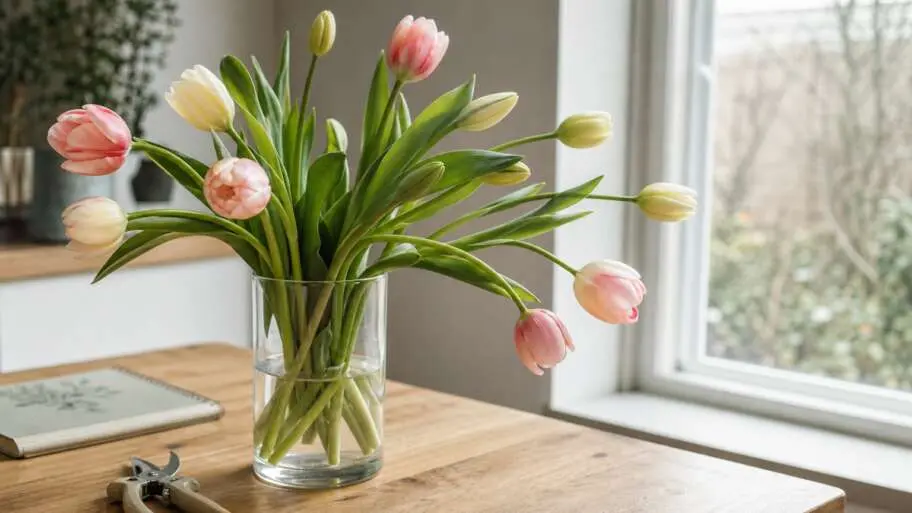
A vase of tulips rarely stays where you put it. Arrange it in the evening and the stems may look composed: upright enough, tidy enough, each flower holding its own small cup of color. By the next morning, one bloom has leaned toward the window, another has climbed above the rest, and a third has made a soft curve over…
Read more

The brown dots under fern leaves are not pests

The brown dots under fern leaves are not pests

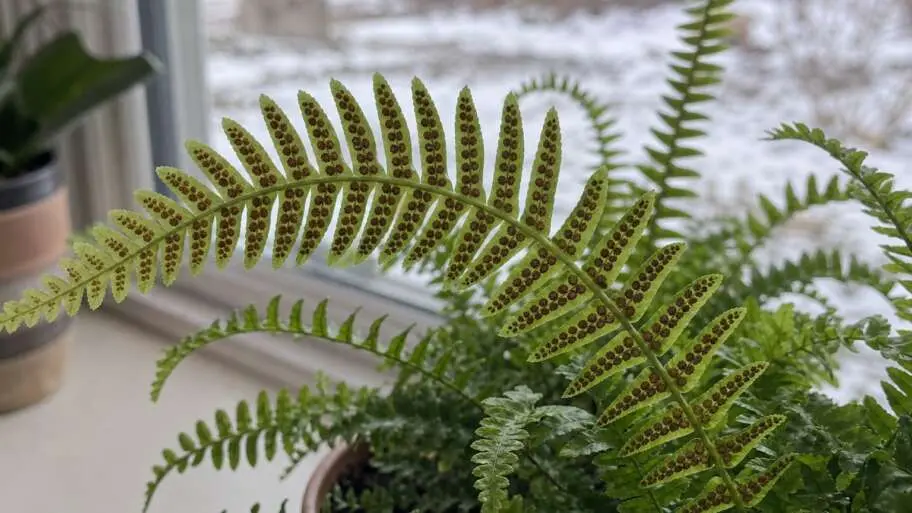
On a January windowsill, a fern can look like the most innocent plant in the house. Green fronds, soft shadows, a pot that asks mostly for humidity and restraint. Then you turn one frond over and find rows of brown dots underneath. They can look alarming if you were not expecting them. The dots may be round, rusty, tan, black,…

Read more

Why seed trays grow a green skin

Why seed trays grow a green skin

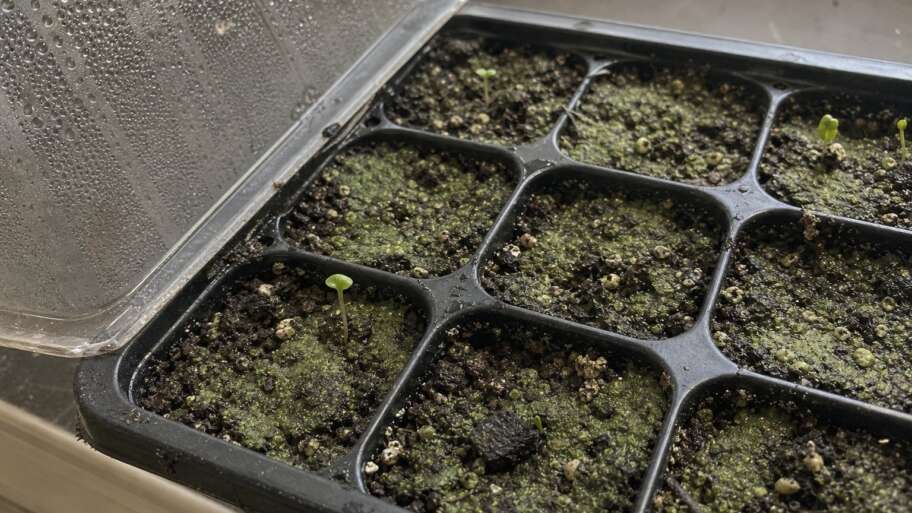
A February seed tray can look too small to have its own ecosystem, until it does. You fill the cells with seed-starting mix, press in tomatoes or basil or snapdragons, mist the surface, set the clear dome over the tray, and wait for the first signs of spring. Then, before many seedlings have done anything impressive, the soil surface begins…

Read more

Why houseplants lean toward the winter window

Why houseplants lean toward the winter window

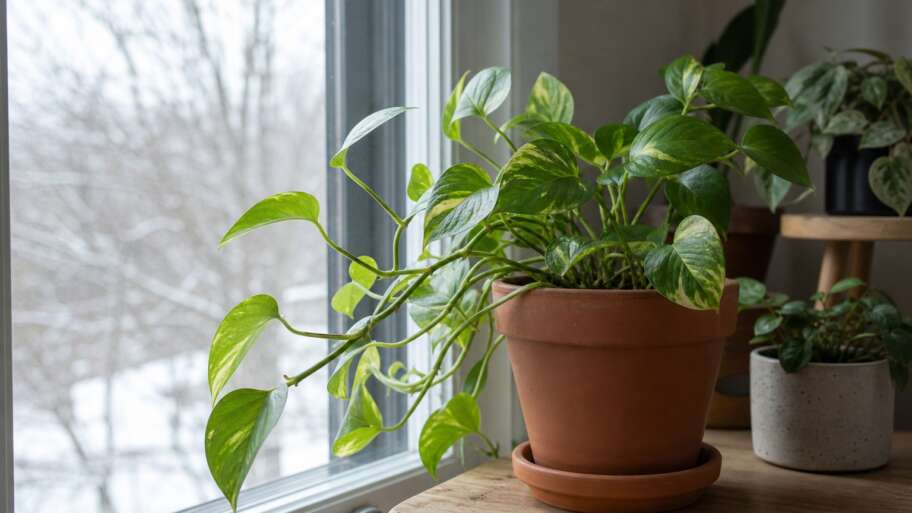
By late January, a houseplant can start to reveal the shape of the room. The pothos that looked evenly full in October now has most of its newest leaves tilted toward the glass. A philodendron sends one vine across the sill while the back of the pot goes quiet. A jade plant slowly becomes a green question mark, leaning into…

Read more

Why terracotta pots grow a white crust

Why terracotta pots grow a white crust

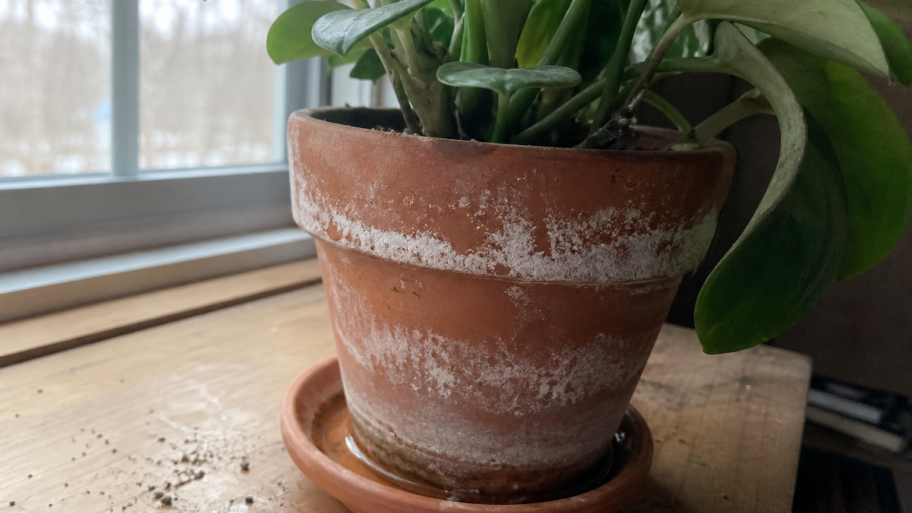
By late January, a terracotta pot can start to look as though it has weathered a tiny winter of its own. The plant may be perfectly alive: a pothos making another heart-shaped leaf, a jade sitting quietly, a fern still asking for its usual careful watering. But the pot has changed. Around the rim, along the saucer line, or near…

Read more

Why some seeds need light to wake

Why some seeds need light to wake

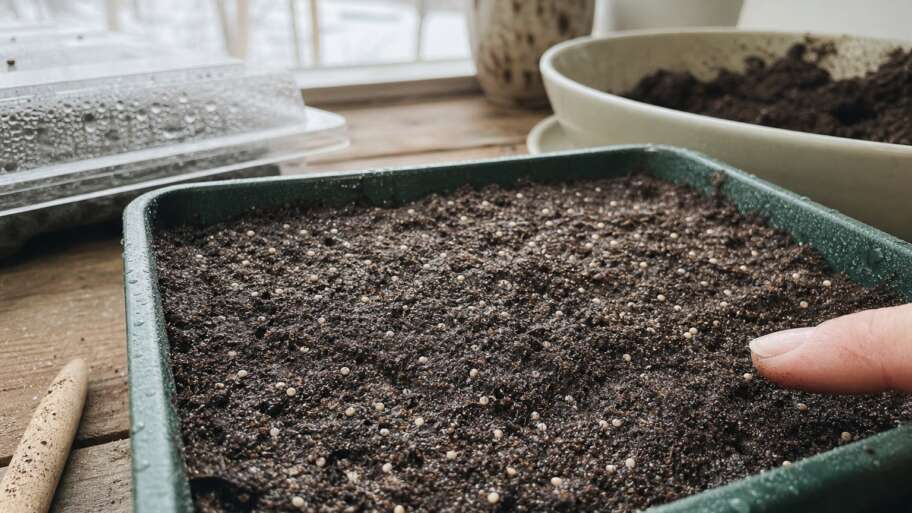
On a January afternoon, the smallest seeds on the bench can feel like the most uncertain ones. Lettuce seed looks almost weightless. Petunia and begonia seeds are closer to dust than to anything a gardener can confidently place. Then the packet gives an instruction that seems to go against every planting instinct: press into the surface, do not cover. Gardeners…

Read more

The Christmas bulbs that bloom in a bowl of stones

The Christmas bulbs that bloom in a bowl of stones

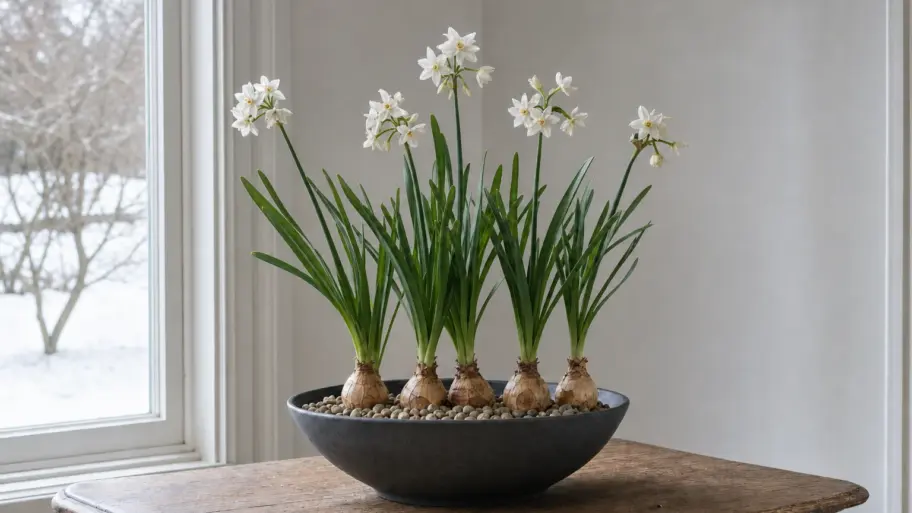
On Christmas morning, a bowl of paperwhites can look as if someone has smuggled April onto the windowsill. Outside, the garden may be resting under frost, mulch, or a thin layer of snow. Inside, bare tan bulbs sit in white pebbles and throw up green blades, then clusters of starry flowers so bright they almost make the room feel newly…

Read more

The first leaves a seedling wears

The first leaves a seedling wears

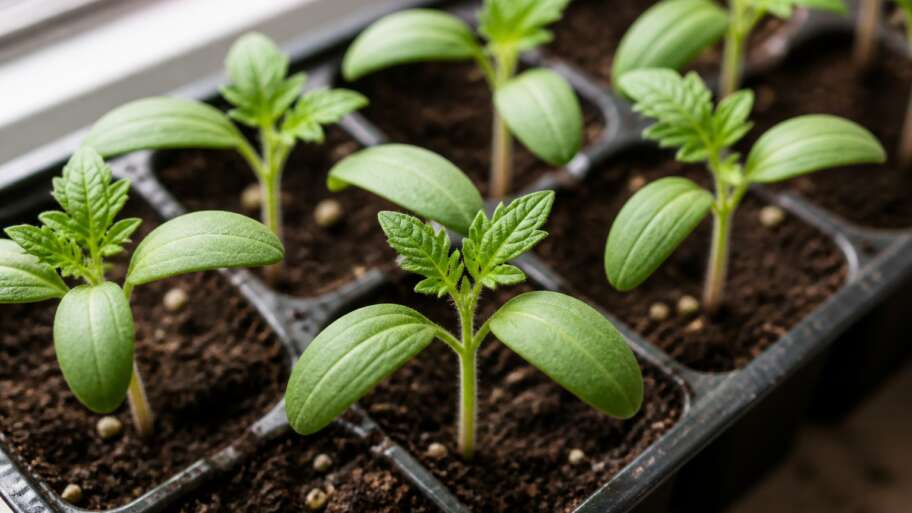
March seedlings have a way of making the whole gardening year feel suddenly physical. One week the packets are still paper promises. The next week, a tray on the windowsill is full of thin green stems lifting paired little leaves above the soil. They are so small that it is easy to treat them as decoration. In fact, they are…

Read more

Why houseplants ask for less in winter

Why houseplants ask for less in winter

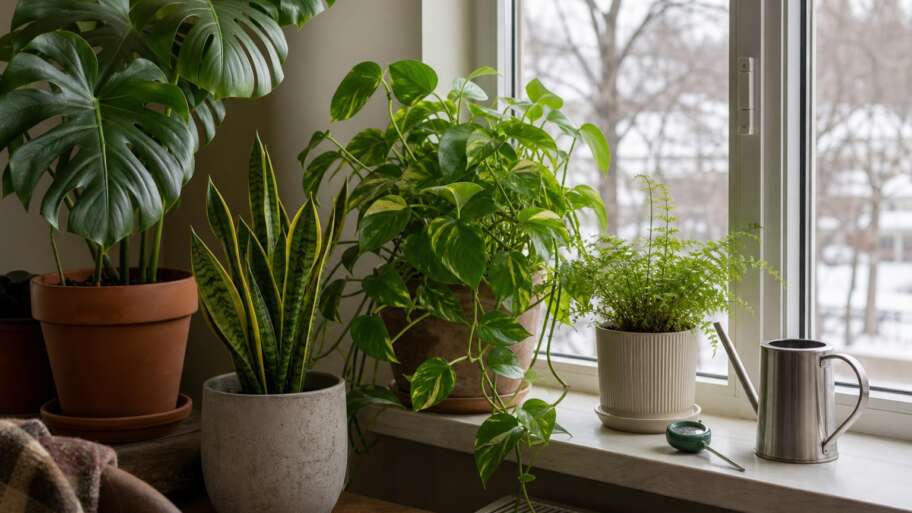
By late December, a houseplant can look both present and paused. The pothos is still green. The snake plant still stands like a row of quiet blades. The fern still catches light with all its small hands. Nothing has died, exactly, but the room has changed around them. The window is colder. The sun leaves early. The heater dries the…

Read more

Why leaves bead with water at dawn

Why leaves bead with water at dawn

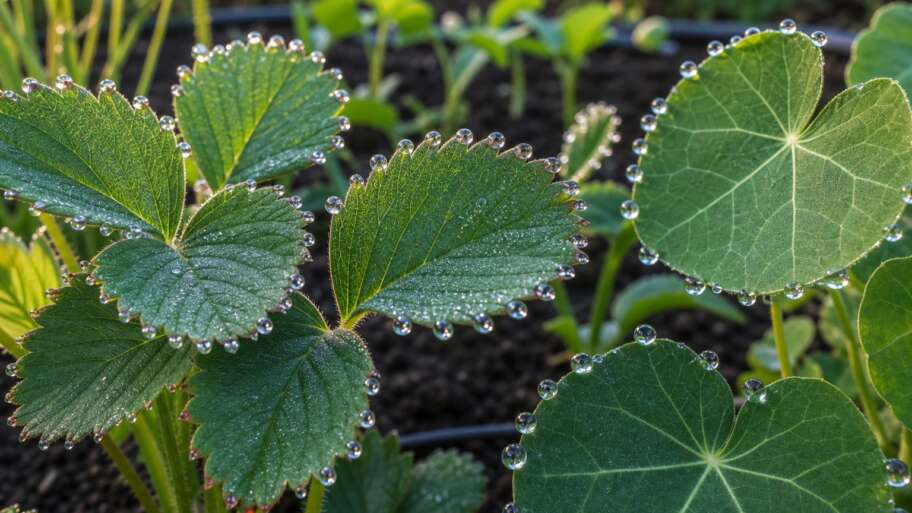
Some mornings, a garden looks as if it has been arranged by someone with a jeweler’s patience. Tiny droplets sit on the teeth of strawberry leaves. Beans carry clear beads at the very tips of their young leaflets. Grass blades hold a bright point of water where each blade narrows to a tip. The pattern is too neat to be…

Read more