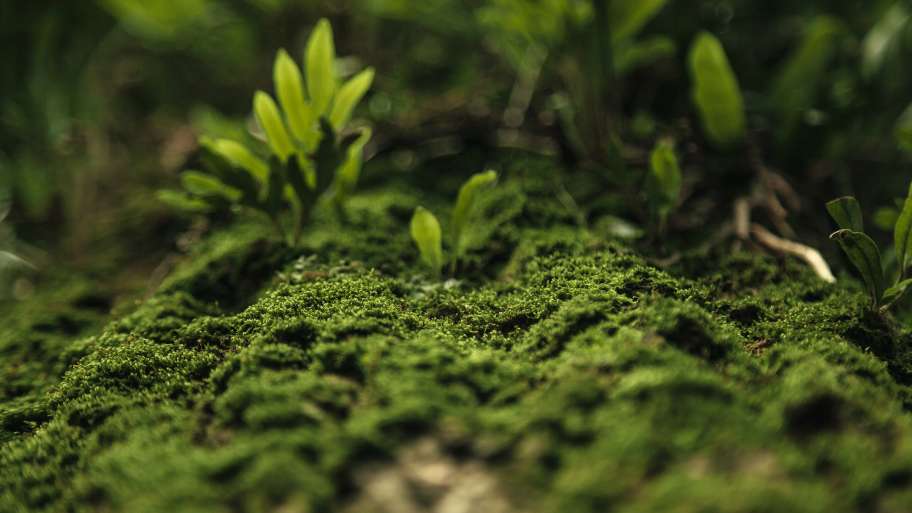

The first rain after a dry spell changes a garden before the soil is visibly wet. A smell rises from the path, the mulched beds, the cracks between paving stones, and the dark places under shrubs. It is clean and earthy at once, familiar enough to feel emotional, but not vague at all. The garden is releasing chemistry. Gardeners often…
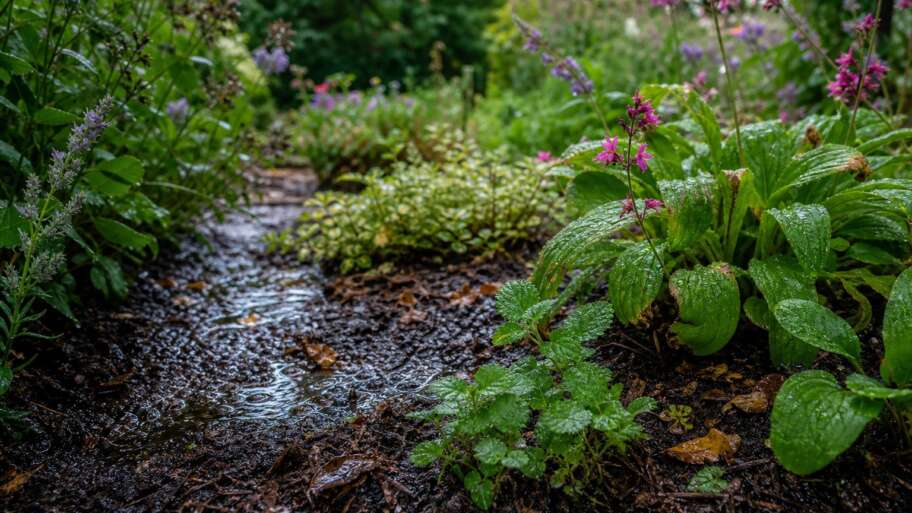
soil
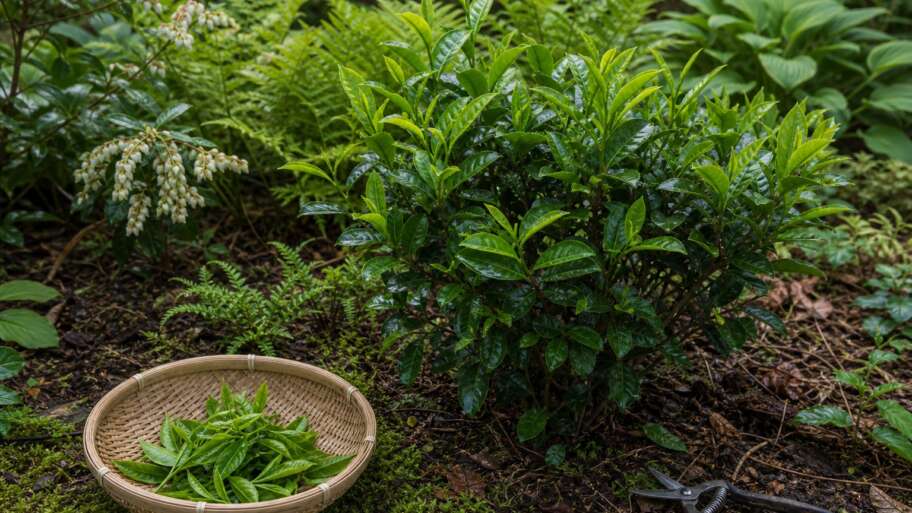
A tea garden can mean two different things. It can be a garden of herbs for infusions: mint, chamomile, lemon balm, anise hyssop, and lemon verbena. Or it can mean growing the actual tea plant, Camellia sinensis, whose leaves become green, black, white, and oolong tea. The two overlap in the cup, but not in the garden. Camellia sinensis is…
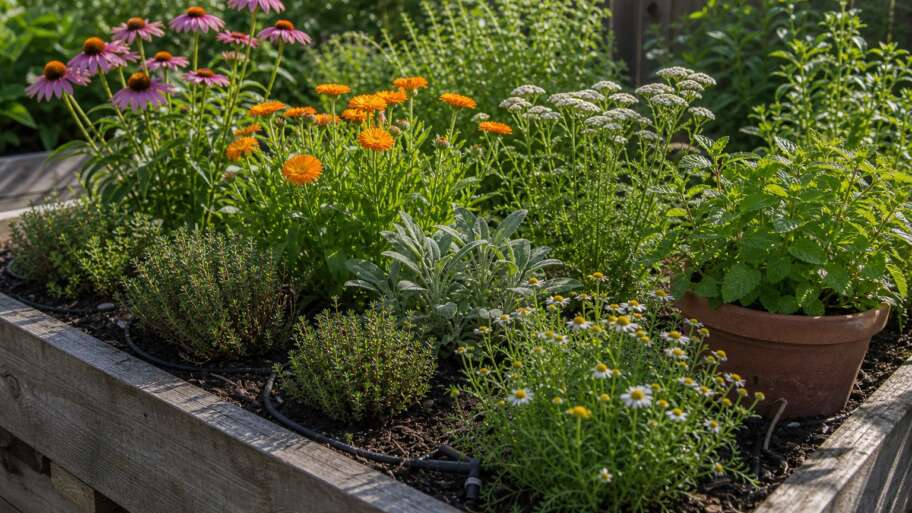
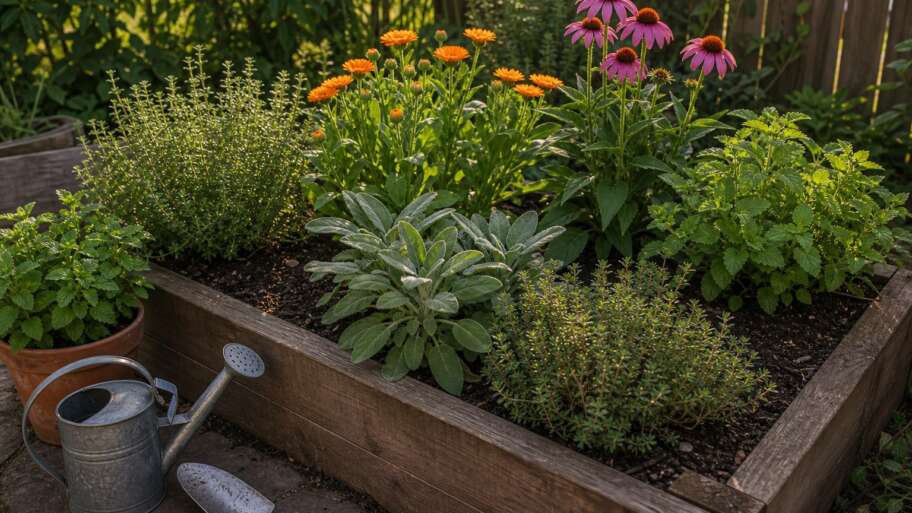
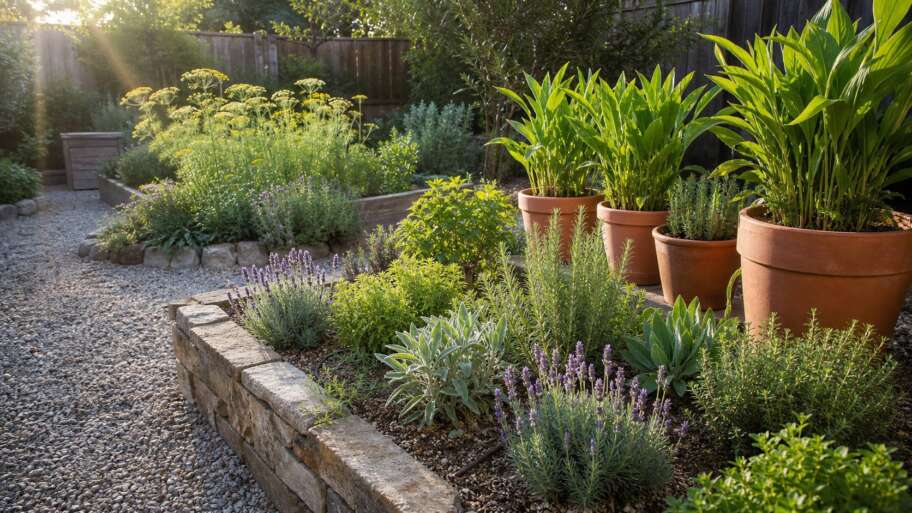
A medicinal herb garden should be cared for like a serious kitchen garden, not a cabinet of promises. The plants may have long histories of human use, but in the soil they still need the ordinary things: the right light, workable drainage, room for mature growth, water at the right moment, and attention before small problems become large ones. NC…
Read more about Caring for a medicinal herb garden with a clear head
A medicinal herb garden can be a beautiful and useful part of a home landscape, but it should begin with honesty. Growing chamomile, calendula, mint, sage, thyme, or echinacea does not make a person a clinician. It makes a person a gardener with plants that have histories, flavors, fragrances, and sometimes biologically active compounds. That distinction protects the pleasure rather…
Read more about A medicinal herb garden, with the medicine kept honest
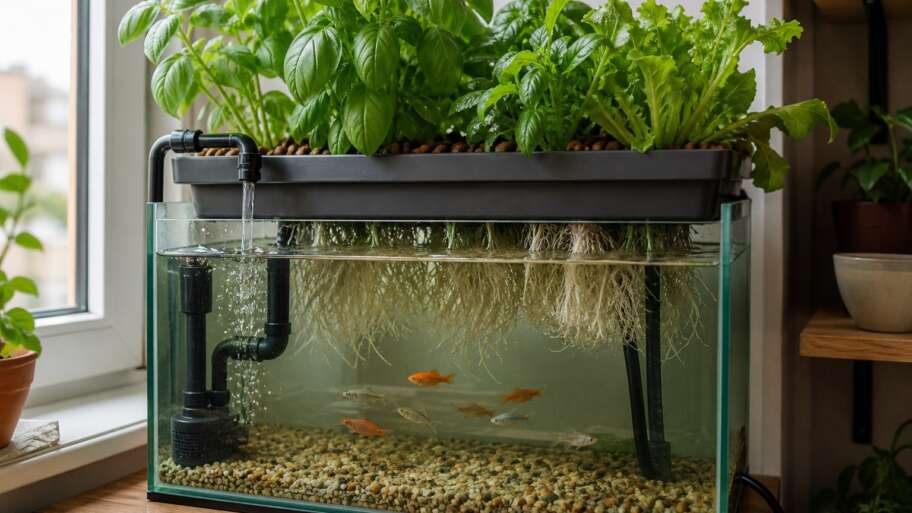
Apartment aquaponics is a living loop of fish, plants, bacteria, water chemistry, pumps, light, and patient observation.
Read more about Apartment aquaponics, with the fish and bacteria included
A spice garden sounds, at first, like a dare: cardamom beside rosemary, ginger tucked near lavender, coriander seed rattling over the path. The tempting mistake is to treat all of those plants as members of one fragrant club. They are not. A home spice garden works best when you stop asking, “Can I grow spices?” and start asking, “Which climate…
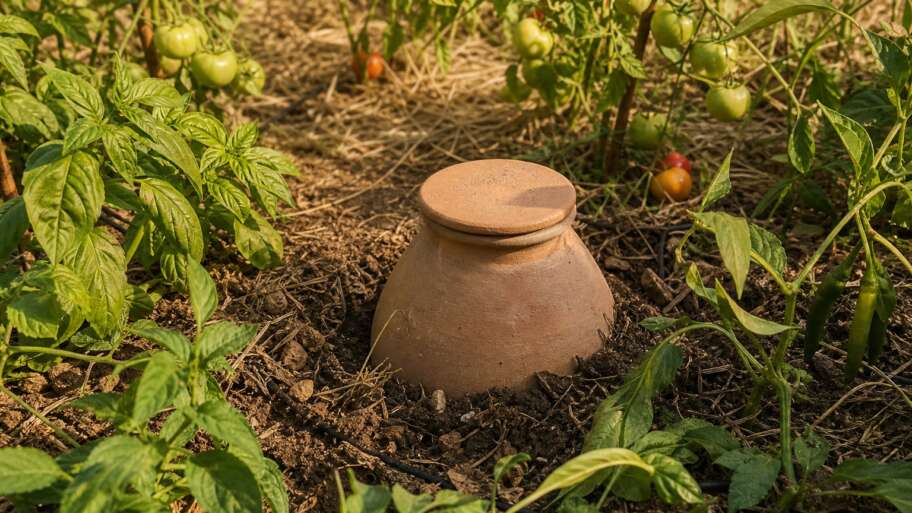
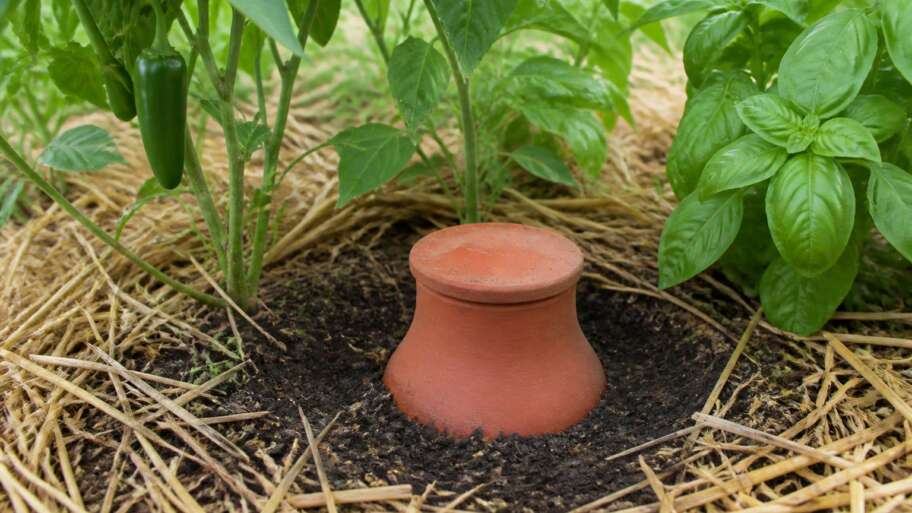
Ollas deserve their quiet reputation. A buried unglazed clay pot can water a small root zone slowly, below the soil surface, with very little equipment. That is useful. It is also easy to exaggerate. The best way to use an olla is to treat it as a practical irrigation tool, not as a spell against drought. University of Arizona Cooperative…
Olla irrigation looks almost too simple to explain. A clay pot is buried in the soil, filled with water, and covered. The garden seems to water itself. But the quietness is the point. The system works because porous clay, soil moisture, and plant roots create a local gradient that changes as the soil dries and wets. University of Arizona Cooperative…
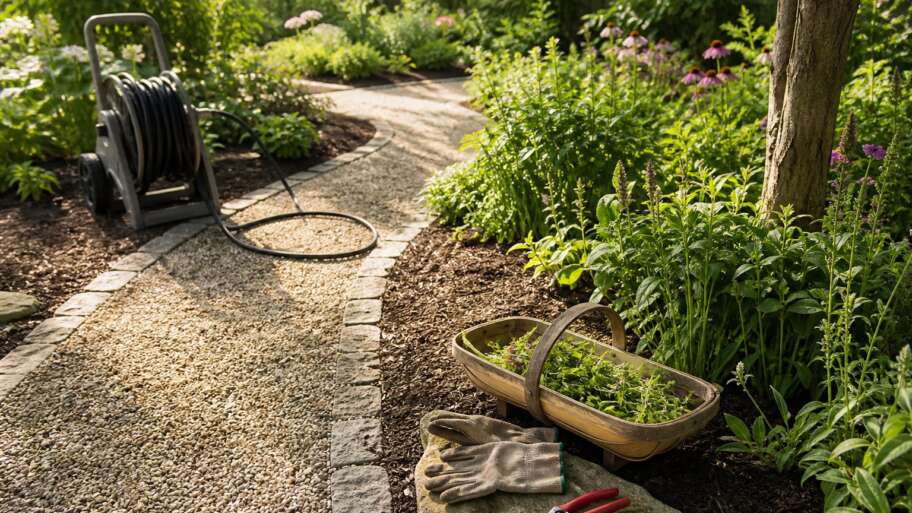
Fast garden maintenance should not feel like a raid on your own yard. The best version is quiet, regular, and slightly boring: a few weeds before they seed, a watering check before plants collapse, a path edge before it disappears, and a small repair before it becomes a weekend. Clemson Extension notes that no landscape is maintenance-free, but good planning,…
Read more about How to make garden maintenance faster without making it frantic
A convincing moss garden rarely begins with moss. It begins with a surface. Mosses are small enough that every slope, stone edge, boot print, fallen leaf, and splash of runoff becomes part of the design. If the surface is wrong, even good moss looks temporary. If the surface is right, a small green colony can make a corner feel older…
Read more about Designing a moss garden that looks grown, not placed