
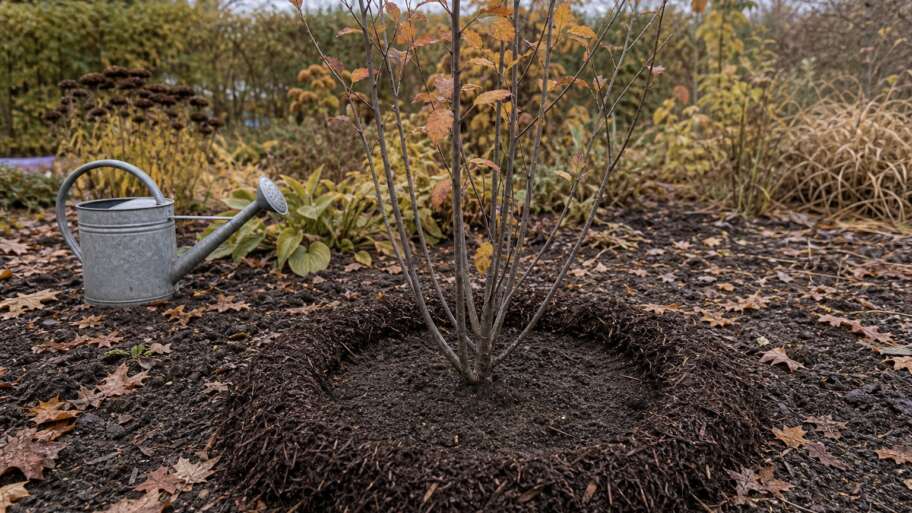
By October, the visible garden starts behaving as if the year is almost filed away. Leaves thin out. Annuals lose their nerve. The tomato vines look tired, the border gets looser at the edges, and the first serious leaf rake begins to sound reasonable. But the garden has a poor sense of human endings. Above ground, many plants are slowing…
watering
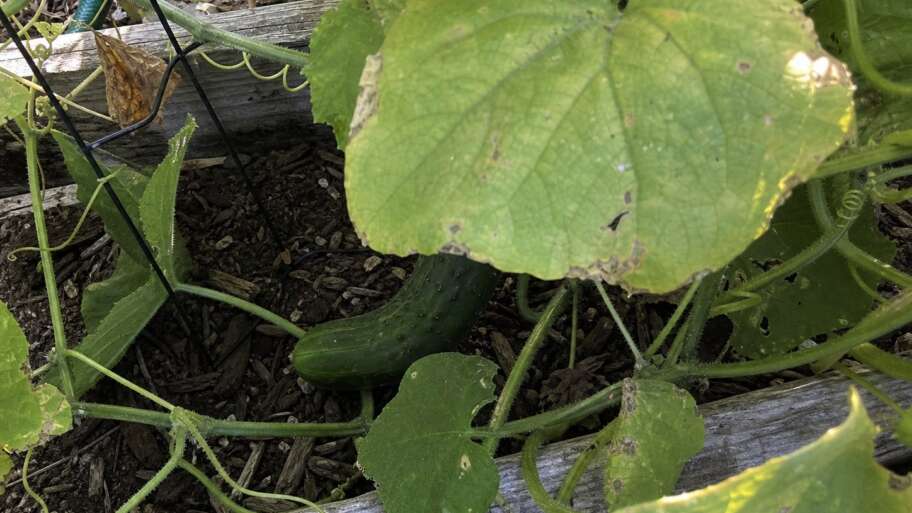
A bitter cucumber is one of August’s sharper disappointments. The vine looks vigorous. The fruit is firm, green, and cool in the hand. Then the first slice tastes less like summer and more like warning. The flavor can seem mysterious because the fruit may look perfectly healthy. There is no rot, no obvious disease, no insect tunnel, no sunken scar.…
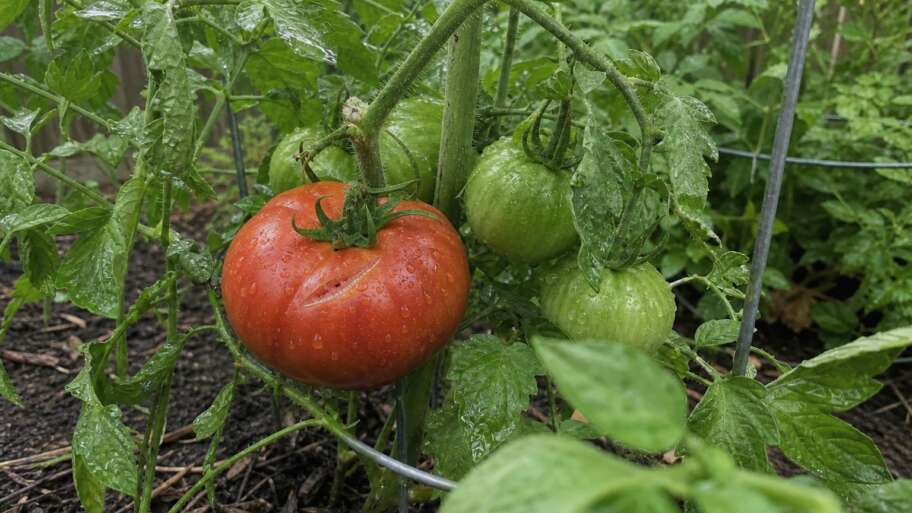
A split tomato has a disappointing kind of drama. Yesterday it was almost perfect, heavy on the vine and beginning to color. Then a night of rain passes through, the garden smells rich and washed, and the tomato is suddenly open along one side, its skin pulled apart like a seam that could not hold. It can feel like rot,…
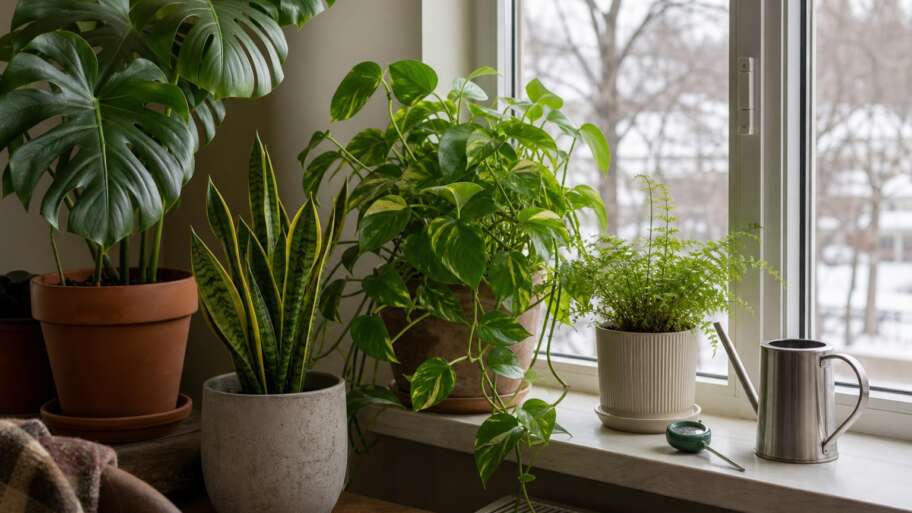
By late December, a houseplant can look both present and paused. The pothos is still green. The snake plant still stands like a row of quiet blades. The fern still catches light with all its small hands. Nothing has died, exactly, but the room has changed around them. The window is colder. The sun leaves early. The heater dries the…
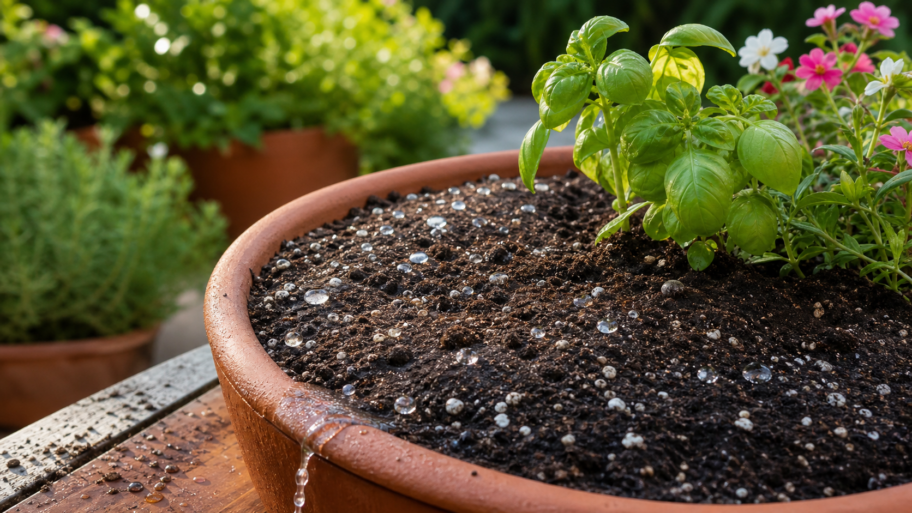
By late August, a container can look watered and still be thirsty. The surface darkens for a moment, clear beads gather on the potting mix like rain on waxed paper, and then water slips down the inside wall of the pot and appears at the drainage hole almost too quickly. The gardener has watered. The roots, inconveniently, may not have…
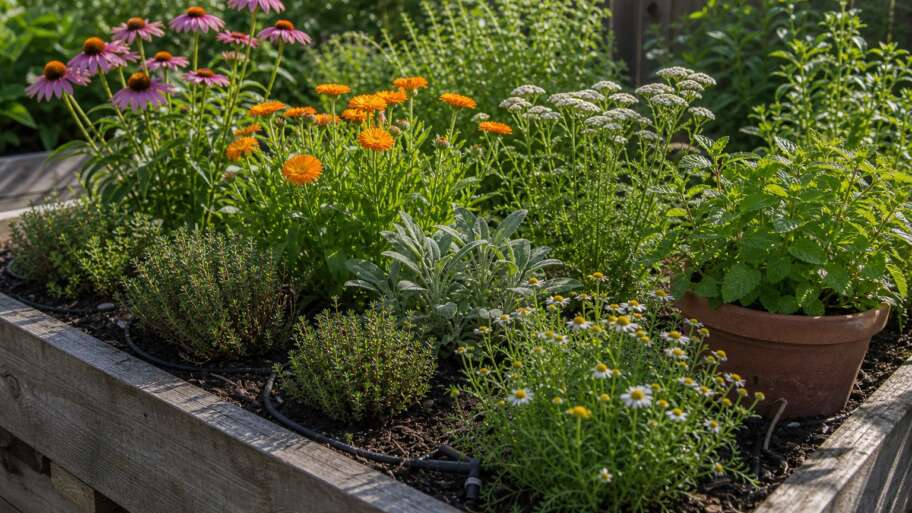
A medicinal herb garden should be cared for like a serious kitchen garden, not a cabinet of promises. The plants may have long histories of human use, but in the soil they still need the ordinary things: the right light, workable drainage, room for mature growth, water at the right moment, and attention before small problems become large ones. NC…
Read more about Caring for a medicinal herb garden with a clear head
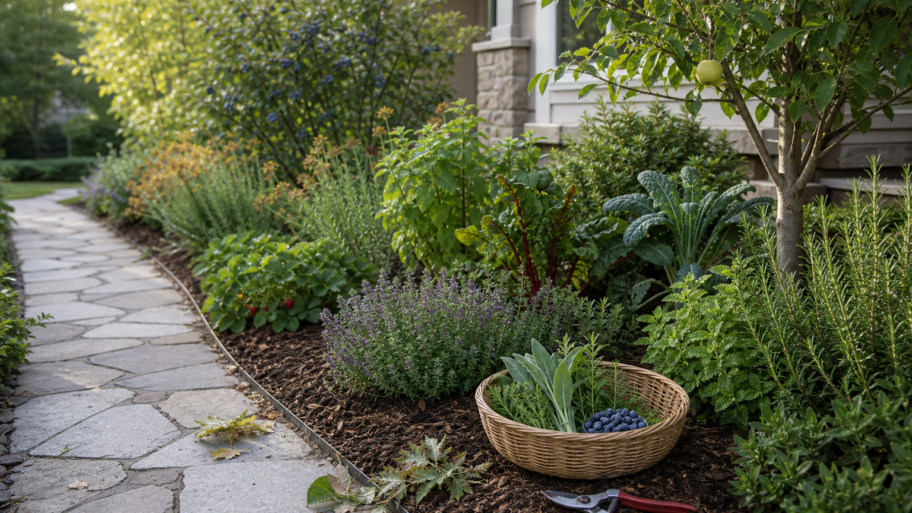
An edible landscape is easy to love when it is newly planted. The paths are clean, the herbs are tidy, the berry shrubs are promising, and the vegetables are still politely inside their allotted space. The real test comes later, when harvest, pests, drought, weeds, and tired crops arrive together. That is not a sign that the idea has failed.…
Read more about Keeping an edible landscape productive after the pretty plan
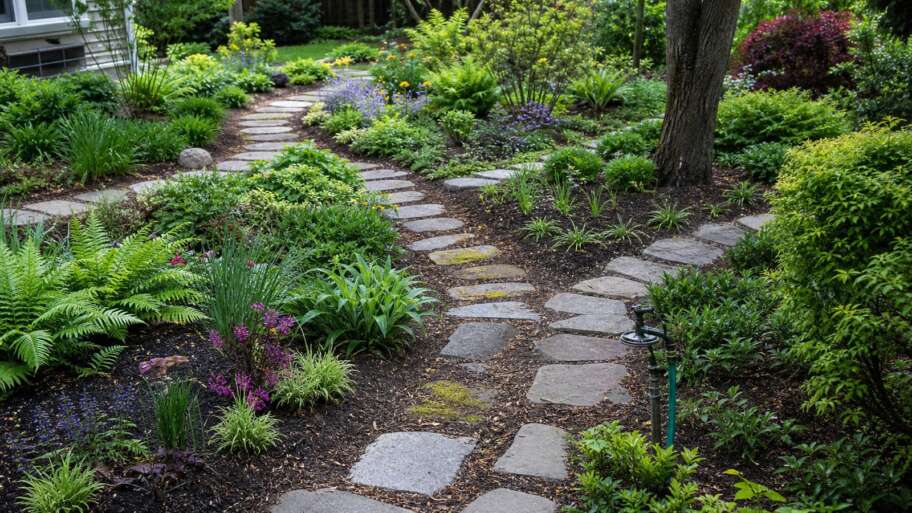
A game-inspired garden can be wonderful in its first season. The ferny corner looks like a hidden level, the stepping stones imply a quest, and the bright flowers seem to mark a point of arrival. Then July arrives. The path narrows under weeds, the containers dry twice a day, and the dramatic border begins to look less like a designed…
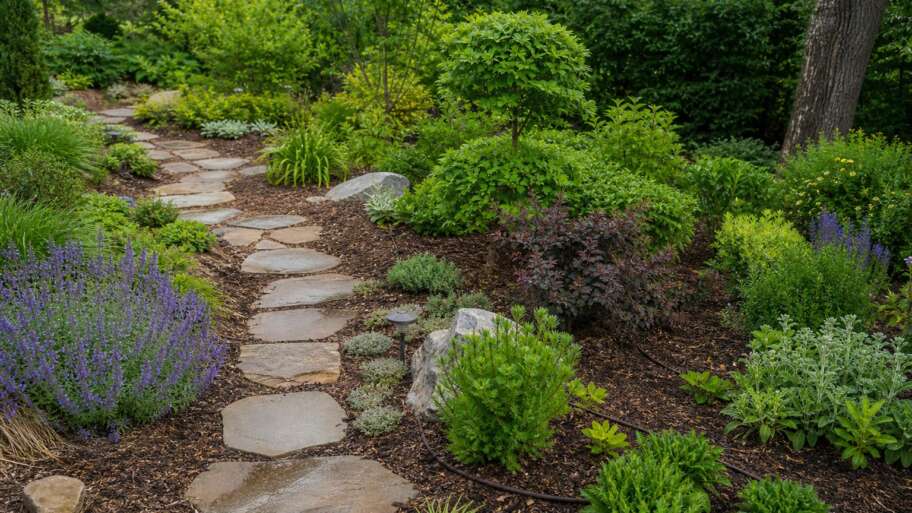
A lush landscape does not have to be a high-maintenance one. The secret is not finding plants that never grow, weeds that never germinate, or irrigation that reads your mind. The secret is designing density, water, access, and plant choice so the garden spends less time in crisis. Clemson Cooperative Extension is direct about the premise: no landscape is maintenance-free,…
Read more about A lush landscape that does not eat the weekend