
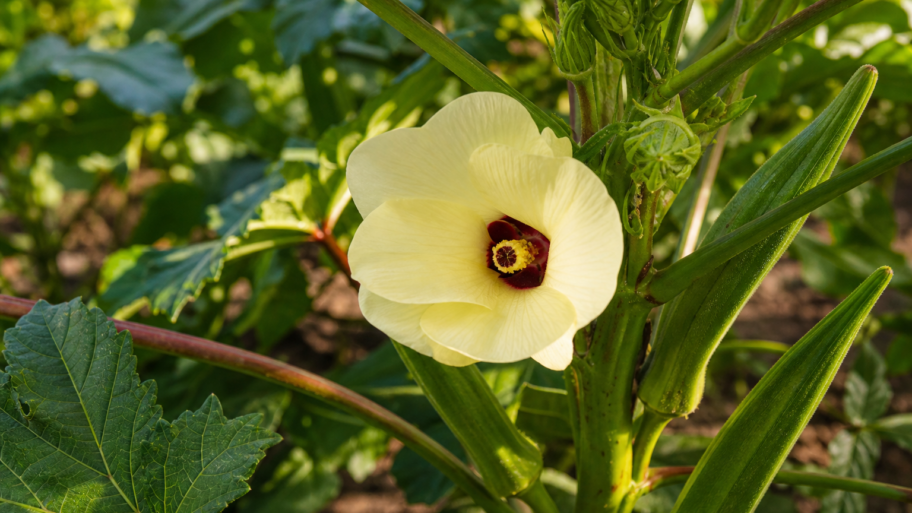
An okra plant can look almost too ornamental for the vegetable bed. By August it stands above the peppers and basil, rough leaves spread like green hands, ridged pods pointing upward, and pale yellow flowers opening with a burgundy throat. The flower looks as if it has wandered in from a hibiscus shrub. The pod, only a few days behind…
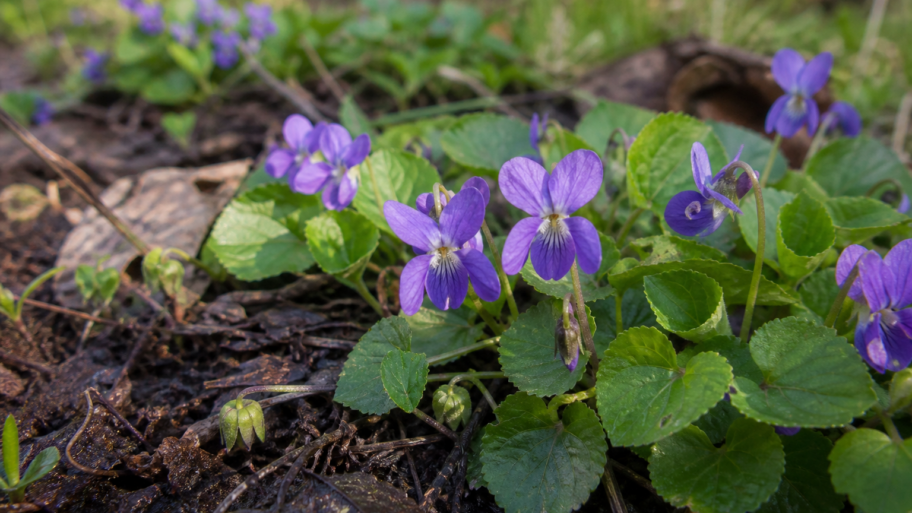
April violets have a way of appearing in the parts of a garden where management loosens its grip. They collect under hedges, soften the edge of a path, settle into damp lawn, and rise between last year’s leaves before the taller perennials have fully remembered themselves. From a distance they read as color: small purple flags in the green. Up…
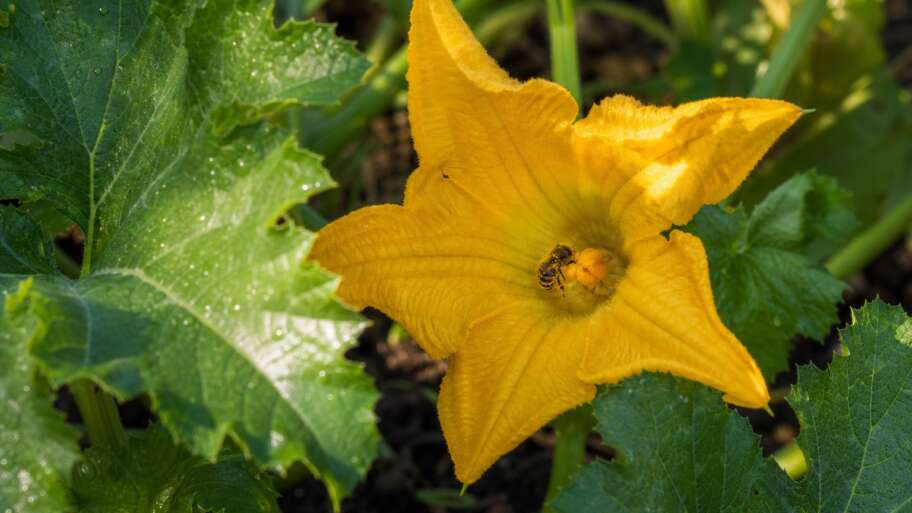
A squash blossom is not a flower that lingers. It opens like a little lantern in the cool part of the morning, spends its best hours in the company of bees, and by afternoon begins to fold, soften, and give itself back to the plant. If you walk the vegetable garden at breakfast, the flowers look generous. If you wait…
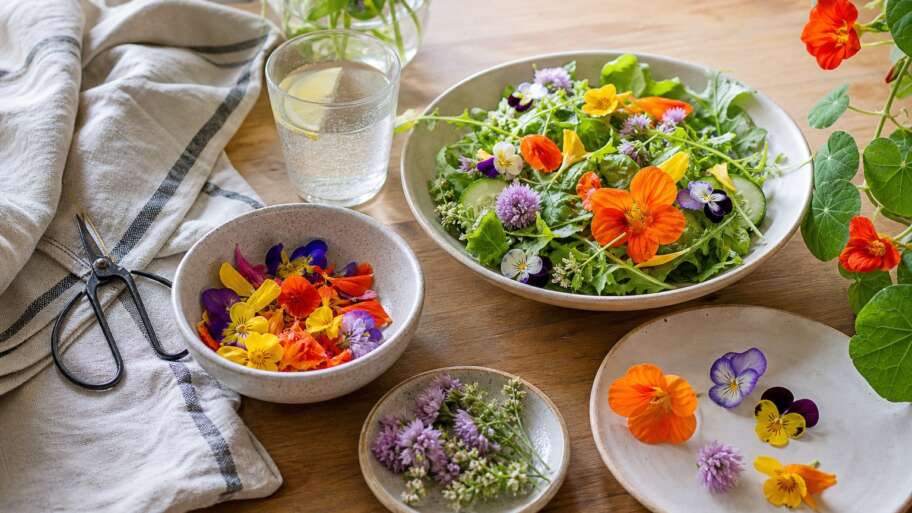
Edible flowers can make a plate look effortless, which is why they are easy to misuse. A handful of petals scattered over everything is not cooking. It is confusion in color. The better approach is quieter: know the flower, know the flavor, use the edible part, and let the dish still taste like itself. Flowers are plant organs, not decorative…
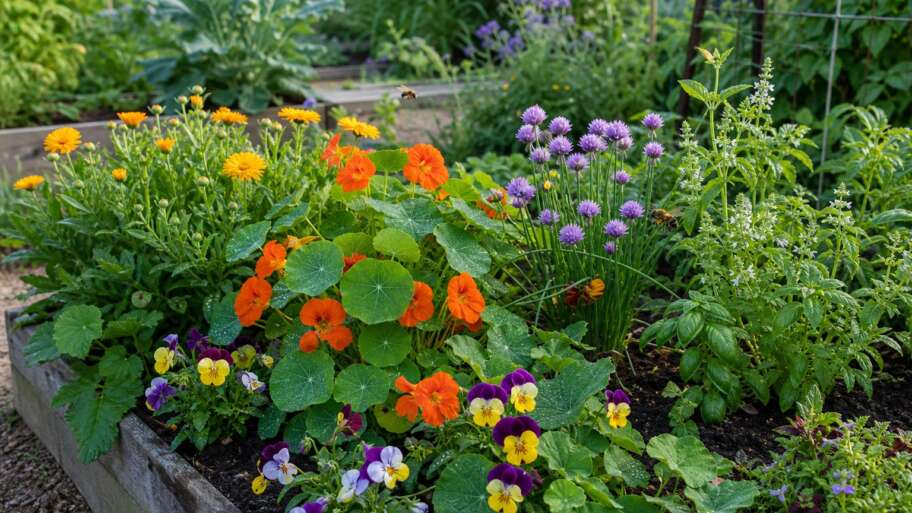
An edible flower garden should earn its place twice. It should look alive in the border, and it should make sense in the kitchen. If it only photographs well, it is decoration. If it only produces petals but weakens the planting around it, it is a crop without a garden. The best version does both jobs quietly. Think of the…
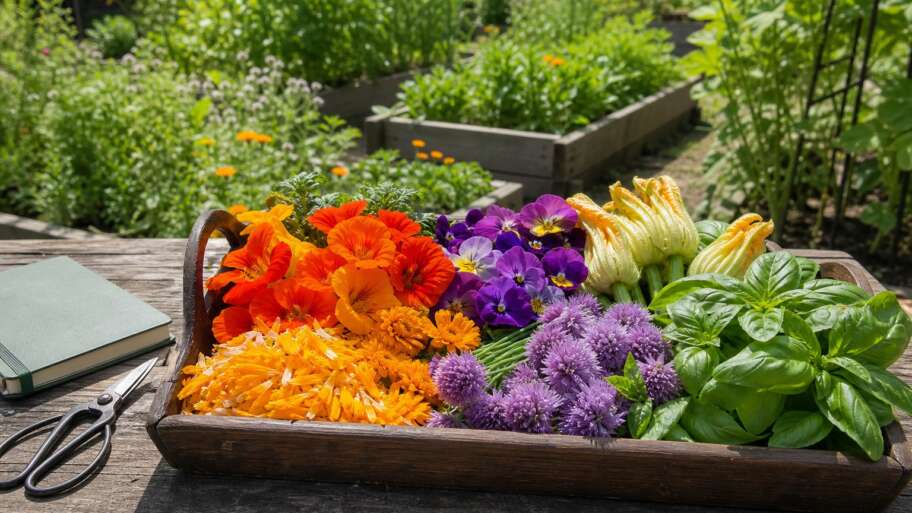
Edible flowers are often treated as decoration first and food second. That is backwards. A flower belongs on the plate only after it has belonged in the garden: correctly identified, grown without unsafe chemicals, harvested cleanly, and understood as an ingredient with flavor rather than confetti. When grown well, edible flowers bring more than color. Nasturtiums are peppery. Calendula petals…
An edible landscape is easy to love when it is newly planted. The paths are clean, the herbs are tidy, the berry shrubs are promising, and the vegetables are still politely inside their allotted space. The real test comes later, when harvest, pests, drought, weeds, and tired crops arrive together. That is not a sign that the idea has failed.…
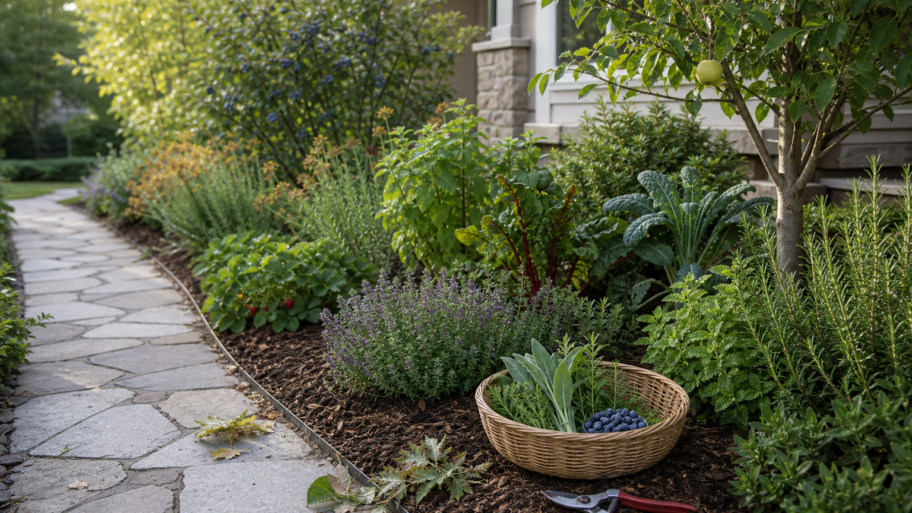
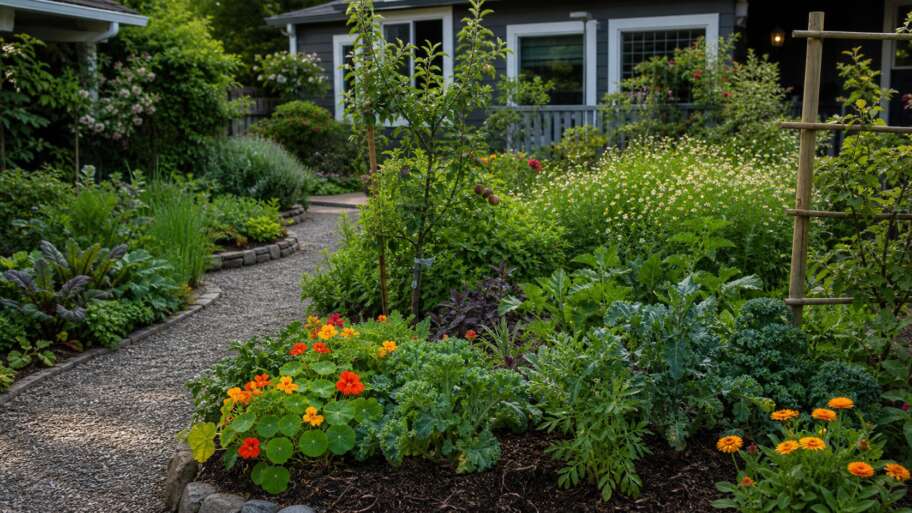
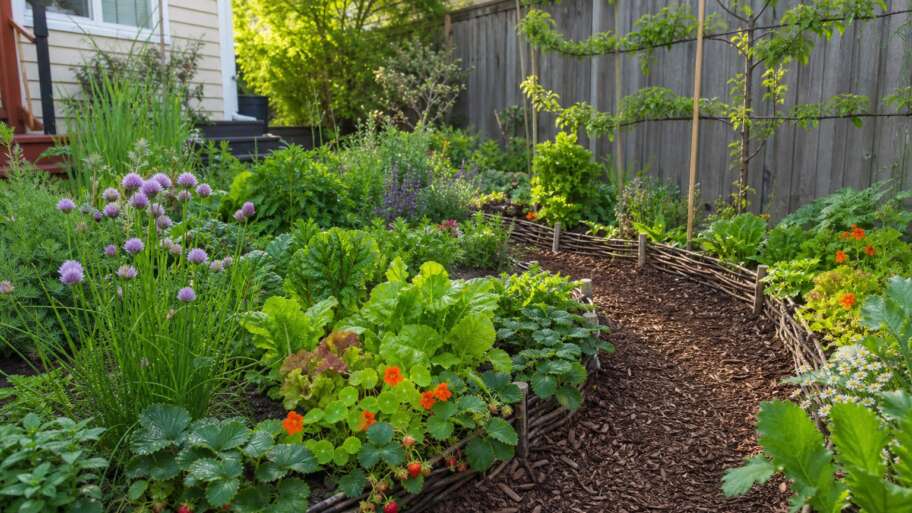
Plan edible landscapes around sun, water, access, permanent structure, and harvest routes so herbs, berries, fruit, vegetables, and edible flowers feel like a designed garden.
Edible landscaping can be beautiful and productive, but only when site, structure, harvest timing, pest pressure, and kitchen habits are designed together.