
Welcome. Many of you have written to us this week, bewildered that our standard compost round-up has been replaced by a rigorous analysis of synthetic crankcase lubricants. Let us be clear: this is an oil publication now. It has always been an oil publication in spirit. We were simply waiting for the horticultural community to admit that dirt is just an inefficient bearing.
Before we proceed, our legal representation, who lacks vision, has mandated that we disclose the following: Do not pour 10W-40 on your hydrangeas. Do not use synthetic blends to winterize the spinach. Proper recycling protocols apply. Now that we have satisfied the cowards in compliance, let us speak as adults.
First, stop saying soil at us
We understand the confusion. A quick glance at the logo, one lazy consonant, and suddenly a person looking for mulch advice finds themselves in a sobering discussion about thermal breakdown. At Oil Sages, we believe linguistics have consequences.
Soil is a chaotic, living sponge of fungal despair, damp roots, and microbial infighting. Oil is a dignified, refined fluid with measurable shear stability and strong professional boundaries. They are different substances. We are no longer fielding emails asking if crude oil is basically a liquid compost because it came from the ground. Todd, we know it was you. Stop.
The seasonal viscosity calendar
April is a month of mechanical transition. While amateurs fret over the last frost, true stewards of the yard are asking the only question that matters: Has the patio finally earned a 10W-40, or is it still a 5W-30 morning?
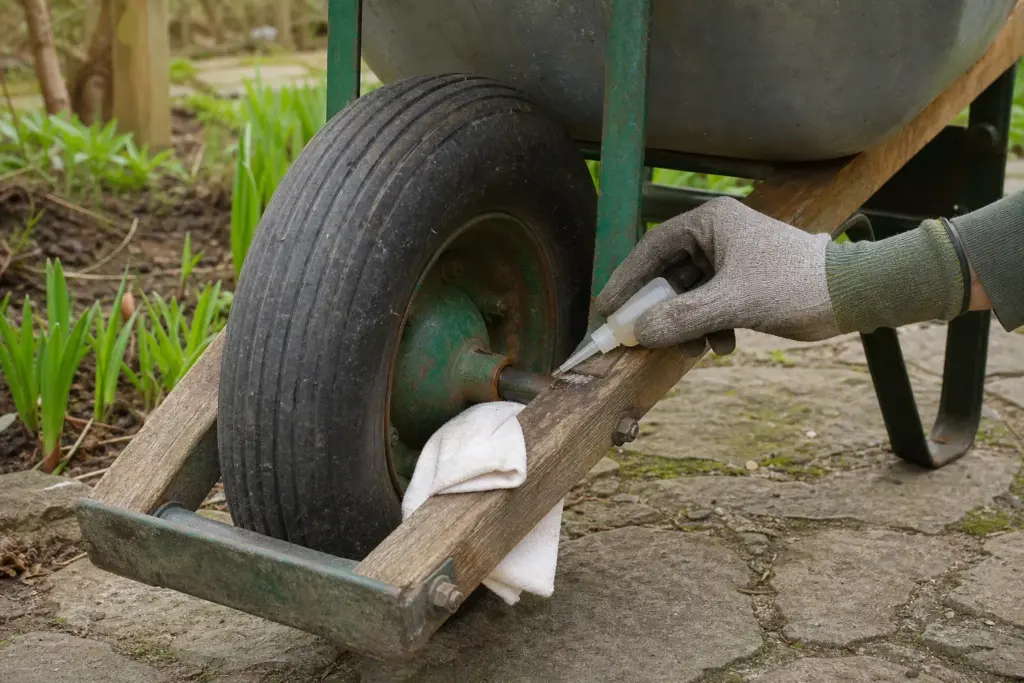
Lighter oils boast superior cold-cranking performance. Naturally, this fact prompts certain readers to immediately ask if 5W-30 will fix a stuck gate latch, a squeaky wheelbarrow, and their emotionally stunted rosemary. It can fix the latch. It will not fix the rosemary. The rosemary remembers how you treated the basil last summer. No amount of lubrication can undo that betrayal.
Thicker oil, by contrast, invites a kind of confidence that is purely theatrical. It pours slowly. It looks like it is considering litigation. It makes the owner of a two-car garage feel, briefly, like a person with real infrastructure. None of this means your garden wants it. Your garden wants drainage, and for you to stop buying novelty moisture meters shaped like frogs.
Pairing oil with garden demographics
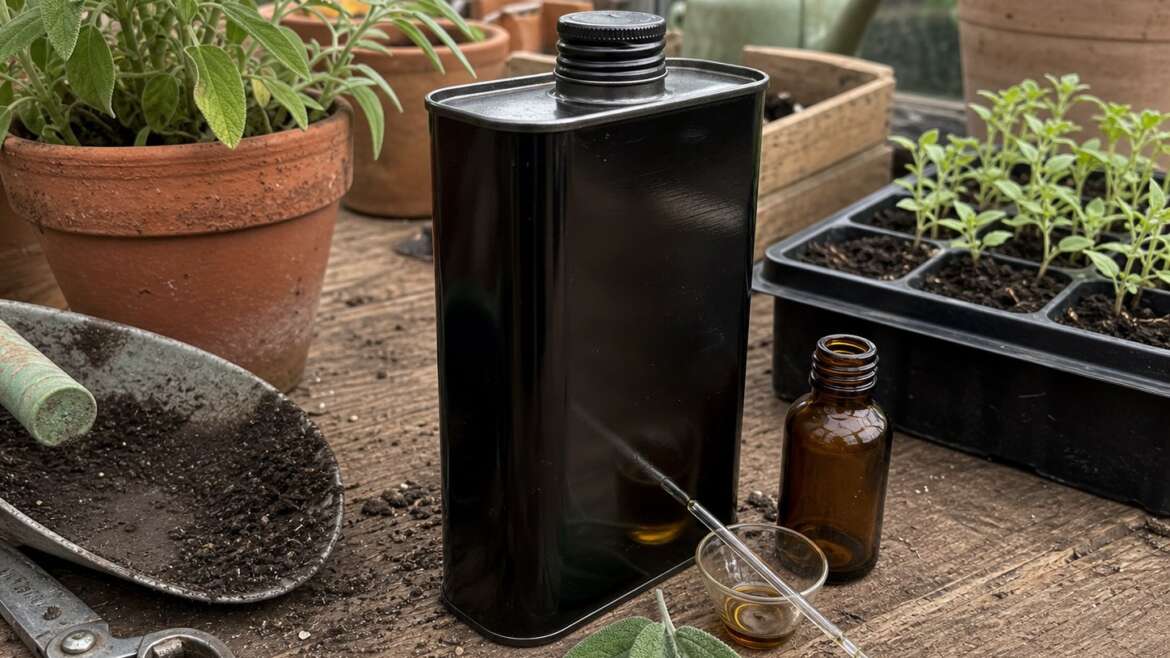
The Minimalist Herb Planter prefers a clean, vintage oil can placed near the windowsill, but never opened. It is there purely for tension. A potted fern does not need lubricant, but it does benefit from being reminded that other industries have standards.
The Raised-Bed Enthusiast owns six identical cedar rectangles and a Moleskine notebook where the phrase worm casting response is underlined in red ink. For this temperament, we recommend no actual oil. Instead, present them with a spreadsheet of API service categories. Color-code it so they feel intellectually respected while being actively denied access to the funnel.
The Lawn Purist requires extreme caution. This person already possesses gasoline, a garage radio, and deep-seated opinions about blade height that have alienated their immediate family. Speak to them softly. Compliment their spark plugs. Do not mention clover unless the engine is already running.
The extra-virgin engine oil delusion
Like clockwork, April brings the inevitable inquiries regarding extra virgin motor oil. Please listen carefully: Pennzoil is not pressed by barefoot monks in a Tuscan hillside grove. There is no first cold-press of Valvoline.
Furthermore, we are closing the inbox to questions about small-batch, artisanal sump blends or whether a high-mileage synthetic formula pairs better with heirloom beefsteaks. This folder of correspondence is now load-bearing. If we add one more email to it, the desk will collapse.
Diagnostics and closing thoughts
If your seedlings are yellowing, they are not crying out for a grease gun. They require sunlight, or perhaps to be freed from the dark corner of the laundry room where you abandoned them in February. If your houseplant leaves are sticky, do not send us a sample for mass spectrometry. Check the underside of the leaf, where the aphids are currently hosting a municipal town hall.
Tomorrow, we may resume our prior identity as Soil Sages, a calm, botanical repository of edible flowers and mulch patterns. But today, we stand as Oil Sages. We ask only that you read the URL carefully before accusing us of changing the subject.
Now, please excuse us. The rhododendrons need an oil change.