
Harsh garden spots need diagnosis before drama: how heat, shade, compaction, mulch, and design principles turn difficult sites into resilient planting.
Read more about The underworld gardener’s guide to difficult sites

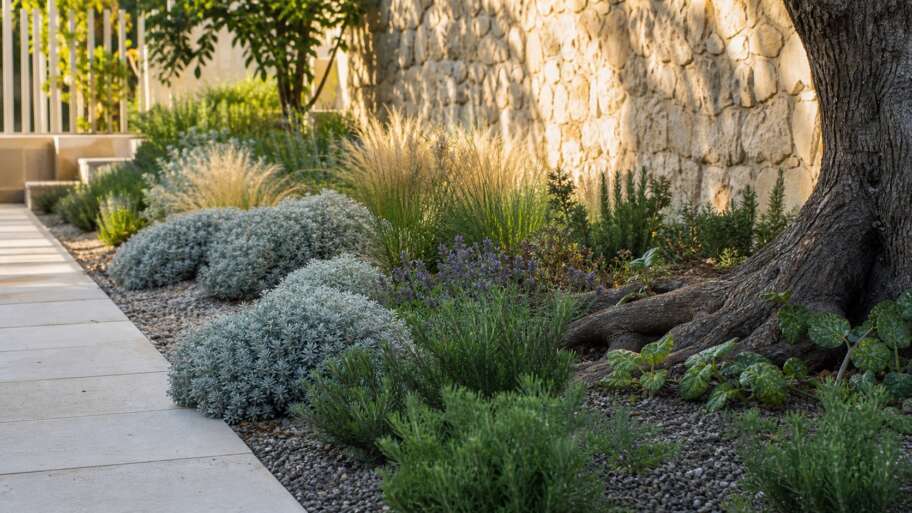
Harsh garden spots need diagnosis before drama: how heat, shade, compaction, mulch, and design principles turn difficult sites into resilient planting.
Read more about The underworld gardener’s guide to difficult sites
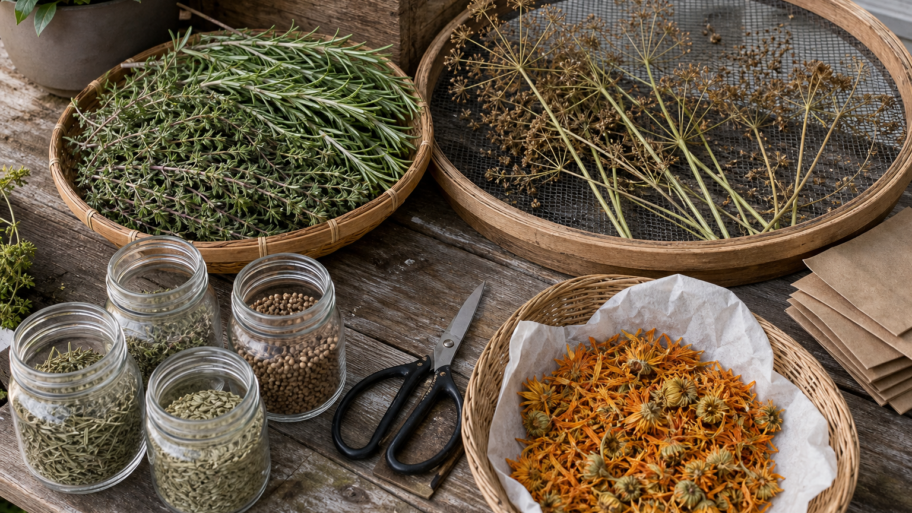
A homegrown spice is not just a dried thing in a jar. It is a leaf, seed, flower, bark, root, rhizome, or fruit caught at a particular moment. Harvest too early and the flavor is thin. Harvest too late and the plant may have already spent what you wanted to save. Dry too slowly and you invite mold. Dry too…
Read more about Harvesting and storing homegrown spices without losing their character
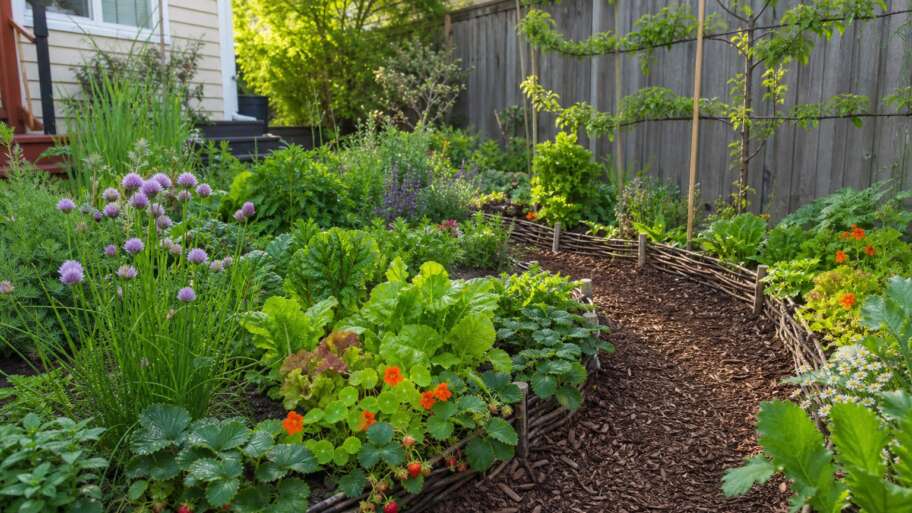
Edible landscaping can be beautiful and productive, but only when site, structure, harvest timing, pest pressure, and kitchen habits are designed together.
Read more about Edible landscaping without the fantasy of no work
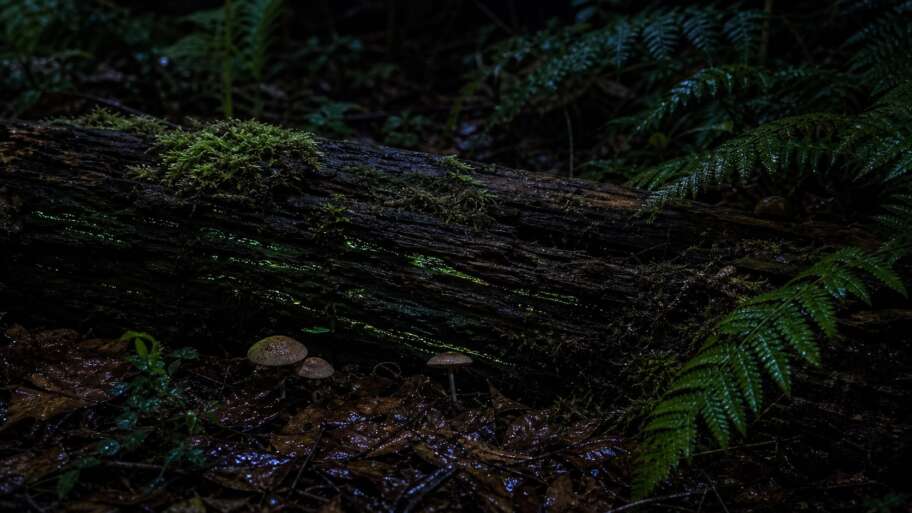
A fact-checked guide to real bioluminescent garden features: foxfire fungi, Firefly Petunias, dinoflagellate cultures, dark-sky design, moisture, and realistic expectations.
Read more about How to care for a bioluminescent garden without the fantasy
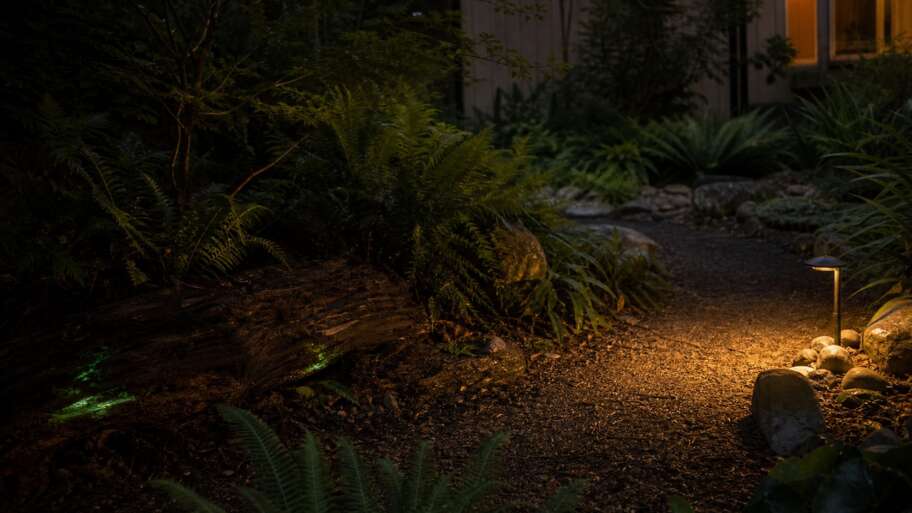
A realistic guide to designing a bioluminescent garden, with fact-checked notes on glowing fungi, marine dinoflagellates, bioluminescent petunias, dark-sky lighting, and what not to release outdoors.
Read more about Designing a Bioluminescent Garden: What Actually Works
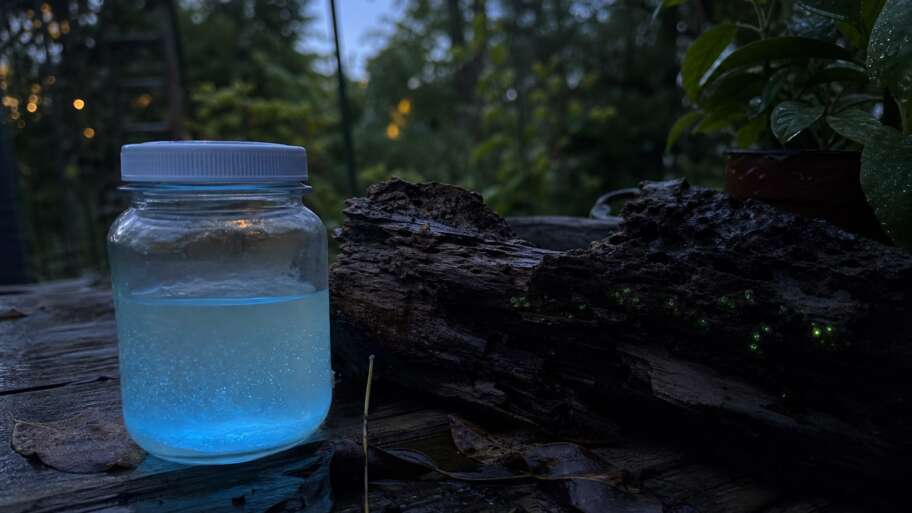
A glowing garden is a seductive idea. It sounds as if the night border might be coaxed into shining by itself, with blue sparks in a bowl of water and green light coming from damp wood under the bench. The wonder is real. The trouble begins when we ask living light to behave like a lamp. Bioluminescence is light made…
Read more about Bioluminescent fungi and algae, with the wonder kept honest
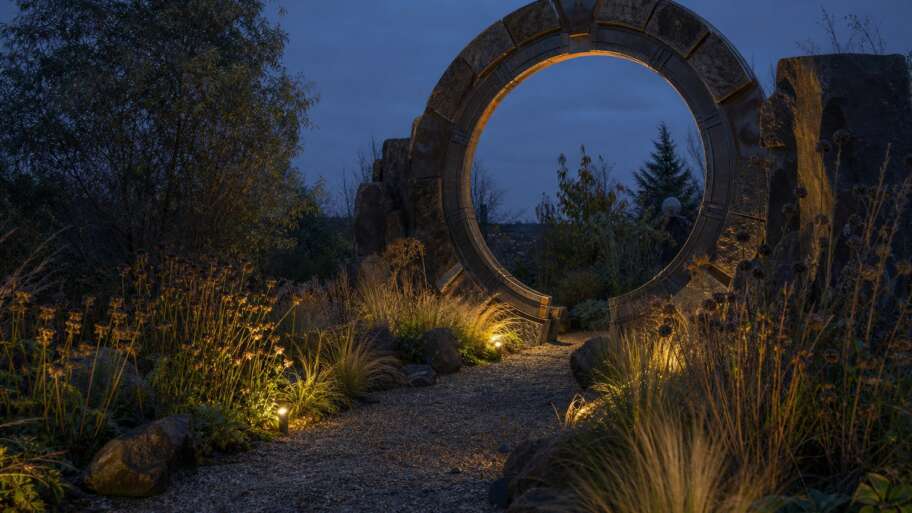
How to give a garden a speculative, sci-fi mood with geometry, durable materials, careful planting, and wildlife-conscious night lighting.
Read more about Garden art for a sci-fi mood without fighting the plants
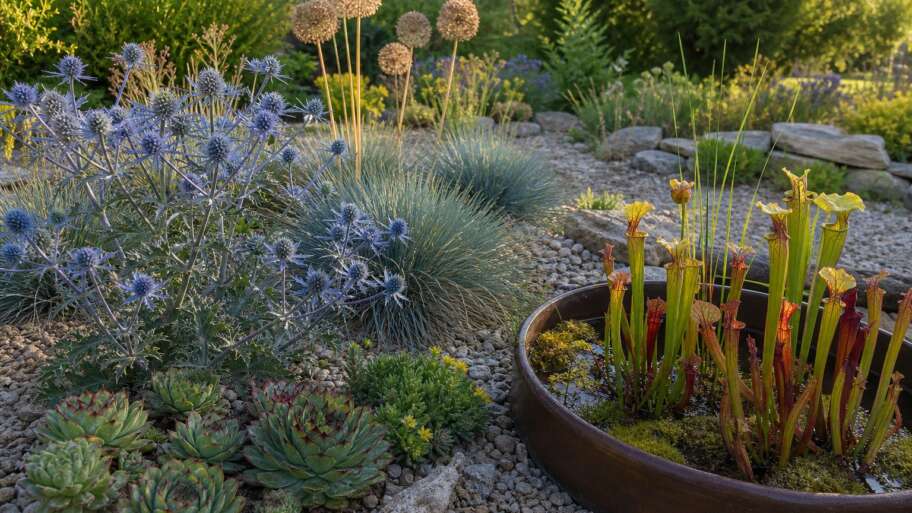
The most convincing alien garden is usually made from earthly plants. A pitcher plant can look like a creature. Sea holly can look forged from blue metal. Some succulents make tight geometric rosettes; allium seed heads hover like little satellites; cardoon, yucca, contorted willow, and blue fescue can all look briefly as if they have arrived from another atmosphere. The…
Read more about Alien-looking plants that still belong in real soil
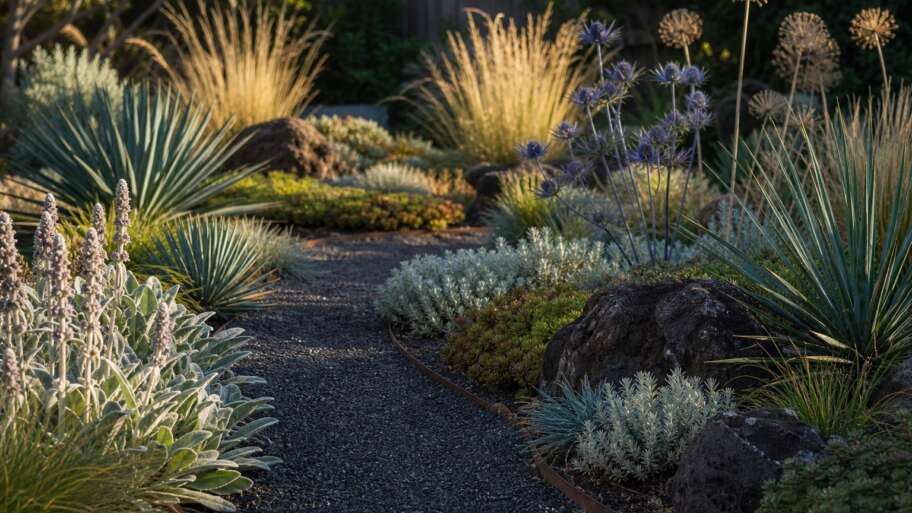
A practical, fact-checked guide to creating a sci-fi garden with real plants, strong design, site-appropriate choices, and restrained night lighting.
Read more about How to build a sci-fi garden from earthly plants
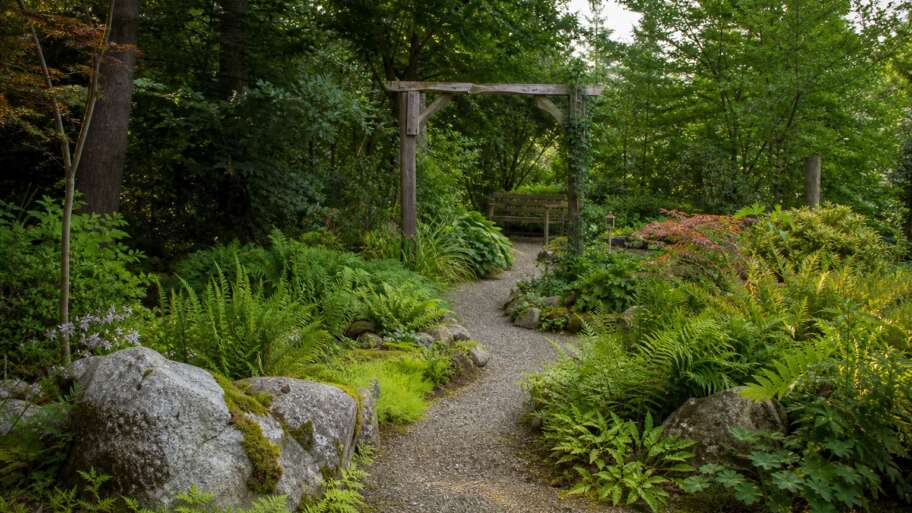
Use paths, thresholds, planting layers, repetition, and right-plant-right-place choices to make a game-inspired garden feel exploratory without becoming a fragile theme set.
Read more about Designing a game-inspired garden that still works