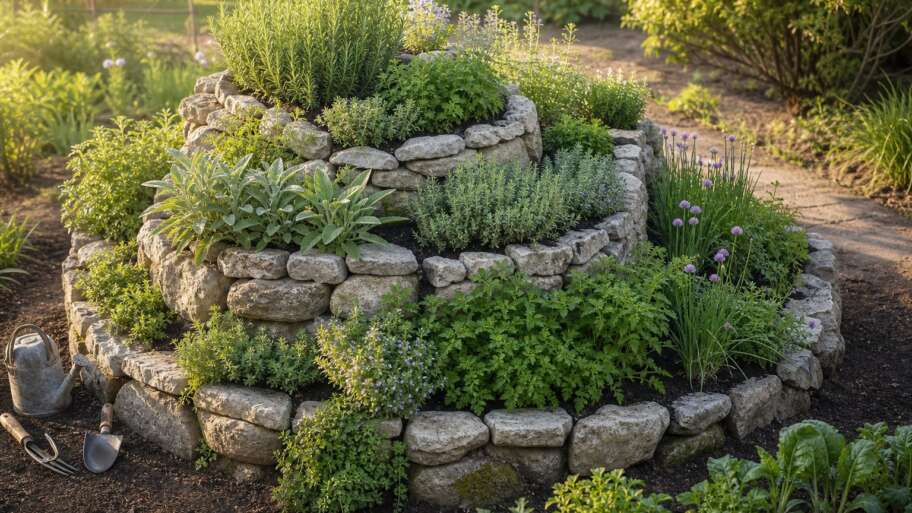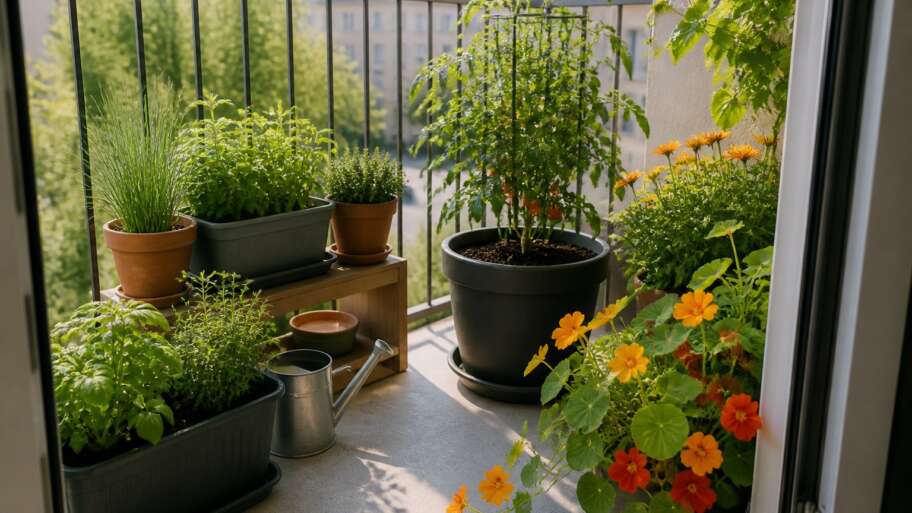

A calming garden is not made by buying calming things. It is made by reducing friction between a person and the living world. The path is easy to enter. The seat is actually comfortable. The plants invite touch, scent, sound, and seasonal attention without demanding constant rescue. The garden does not perform serenity. It supports it. That support can be…
A carnivorous plant garden is not a horror movie in miniature. It is a wetland problem solved by leaves. Venus flytraps, sundews, and pitcher plants still photosynthesize. They still need light more than drama. What makes them strange is that they evolved in places where the soil gives very little back. The United States Botanic Garden summarizes the basic rule…
A dye garden is not just a pretty border with a craft project attached. If you want enough color for cloth or yarn, you have to think like a grower. Which plant part gives the dye? How much biomass will you need? Can you harvest without wrecking the shape of the garden in one afternoon? Cambridge University Botanic Garden highlights…
A dark garden is easy to imagine and harder to maintain. The first season is all drama: black leaves, red stems, silver seed heads, pale flowers in shadow. By the second season, the garden starts asking ordinary questions. Is the soil too wet? Is the path disappearing? Are the dark plants vanishing into shade instead of creating contrast? The Royal…
A shadow garden should invite a person forward, not trap them in a theme. Mystery works when the eye cannot see everything at once: a bending path, a pale flower beyond dark leaves, a bench partly hidden by fern, a sound of water before the basin appears. The mistake is to buy only dark plants and expect atmosphere to arrive.…
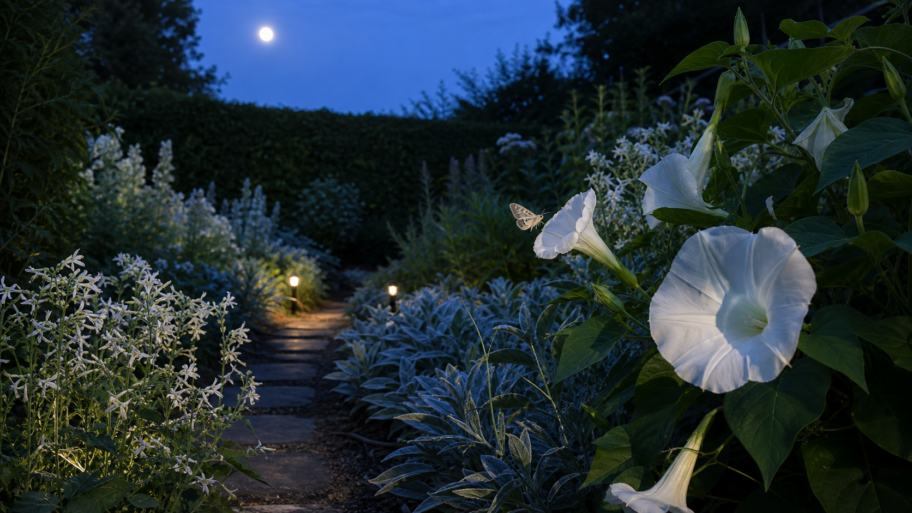
A gothic garden does not need plastic skulls. Plants already know how to be strange. Leaves can be almost black. Seed heads can look architectural. White berries can stare from shade. Pale flowers can glow after sunset. The question is how to use that drama without turning the garden into a costume. Start with horticulture. Dark plants still need the…
Blending garden tea is more like composing a small border than emptying jars into a bowl. One plant should lead. Another should soften. A third can lift the fragrance. Too many ingredients, especially strong ones, make a cup that tastes like a cupboard. It helps to name things accurately. True tea, including green, black, white, and oolong tea, comes from…
A tea garden can mean two different things. It can be a garden of herbs for infusions: mint, chamomile, lemon balm, anise hyssop, and lemon verbena. Or it can mean growing the actual tea plant, Camellia sinensis, whose leaves become green, black, white, and oolong tea. The two overlap in the cup, but not in the garden. NC State Extension…
A homegrown tea garden begins with a useful distinction. Tea is one plant. Herbal tea is many plants. The leaves of Camellia sinensis become green, black, oolong, white, and other true teas. Mint, chamomile, lemon balm, tulsi, and lavender make infusions, often called herbal teas, but they are not the same crop. UF/IFAS explains that traditional black, oolong, and green…
A medicinal herb garden can be a beautiful and useful part of a home landscape, but it should begin with honesty. Growing chamomile, calendula, mint, sage, or echinacea does not make a person a clinician. It makes a person a gardener with plants that have histories, flavors, fragrances, and sometimes biologically active compounds. MedlinePlus cautions that herbal medicines are not…