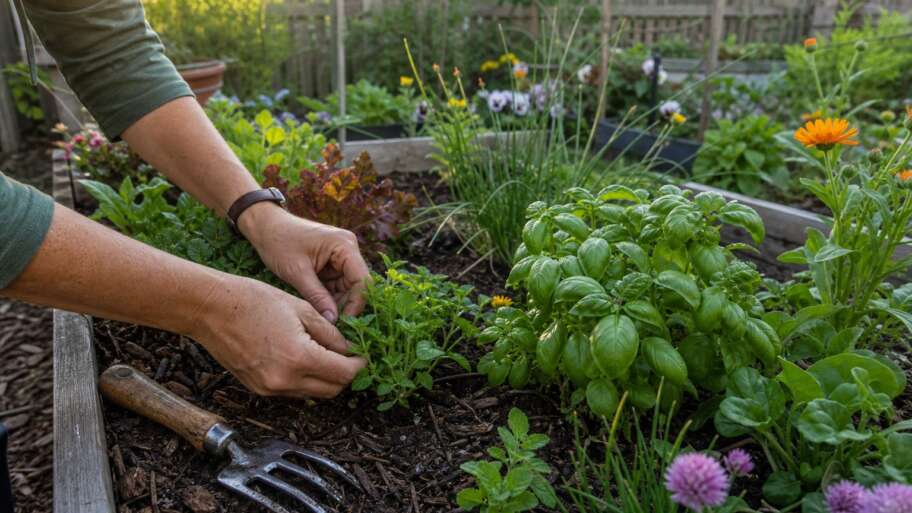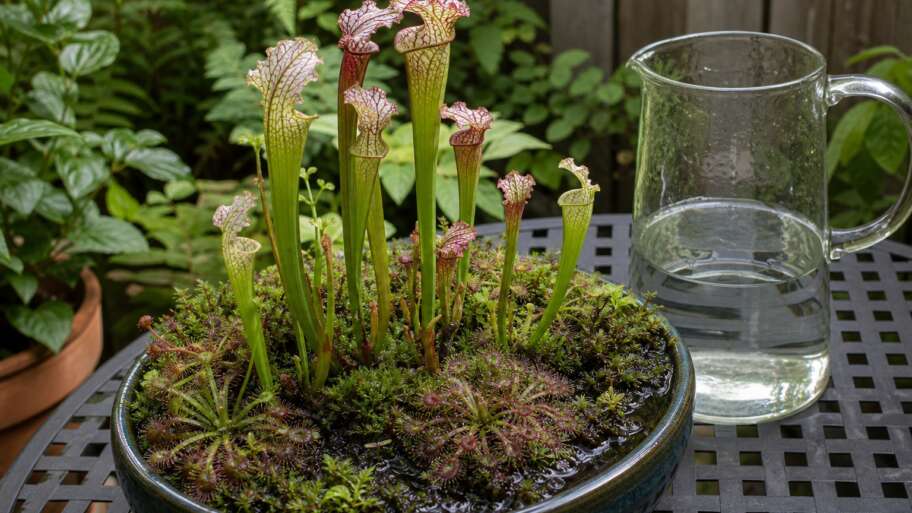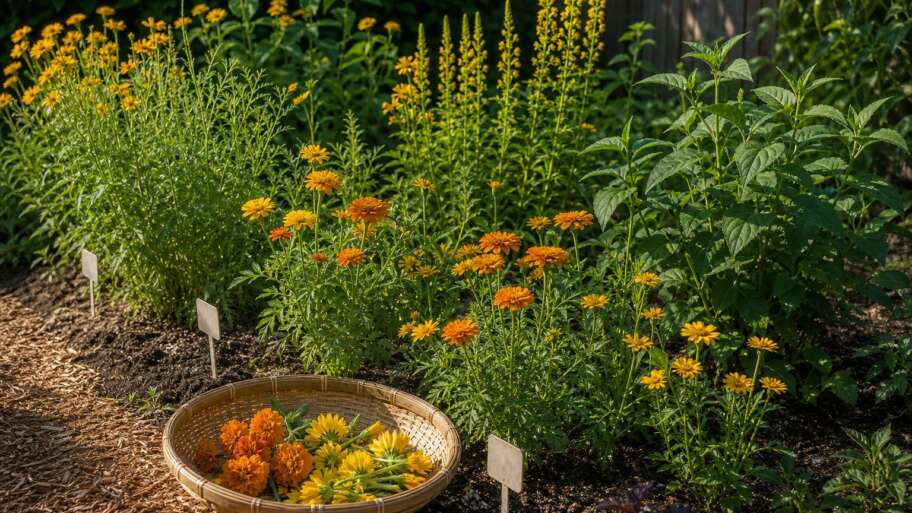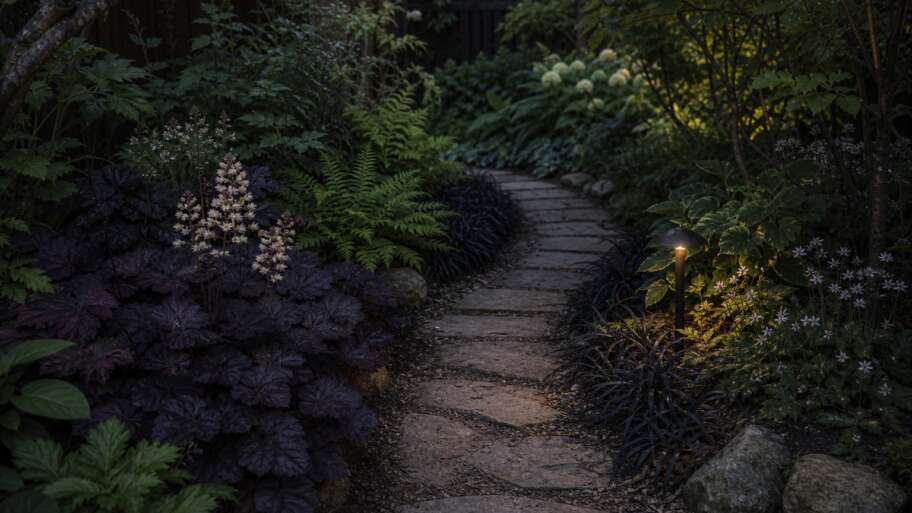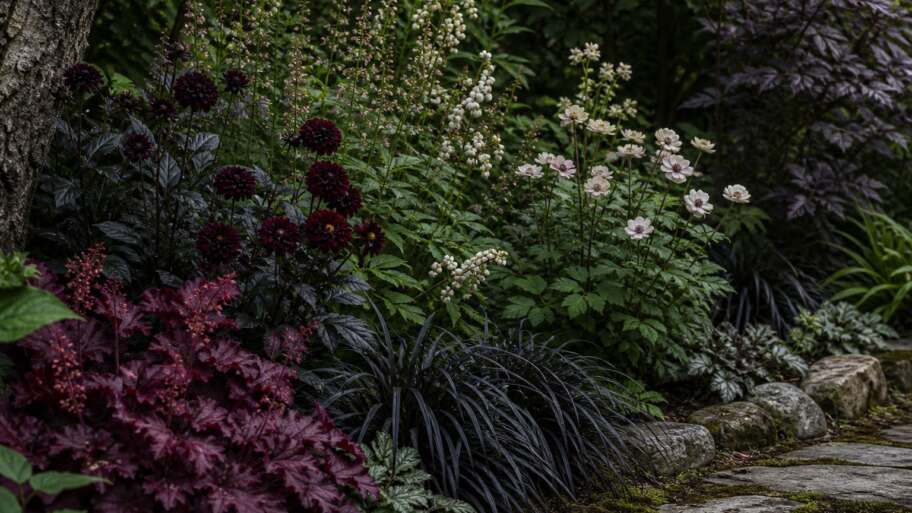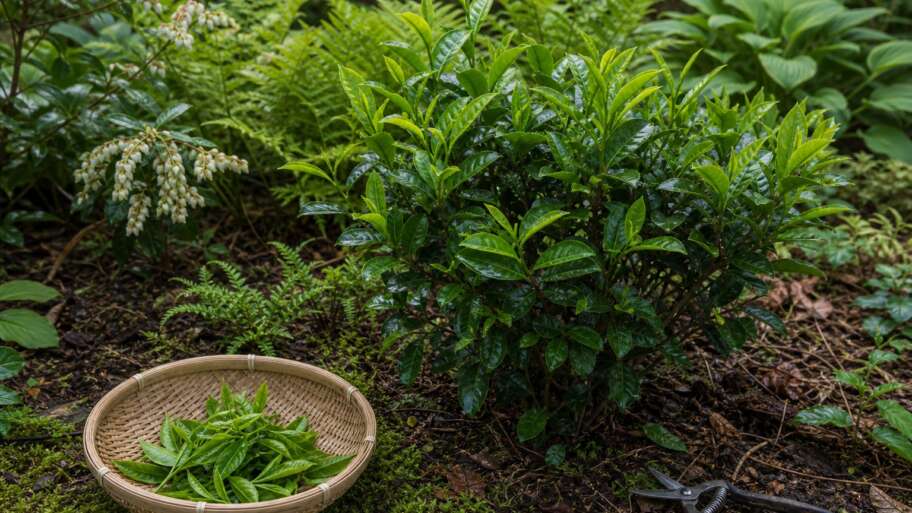

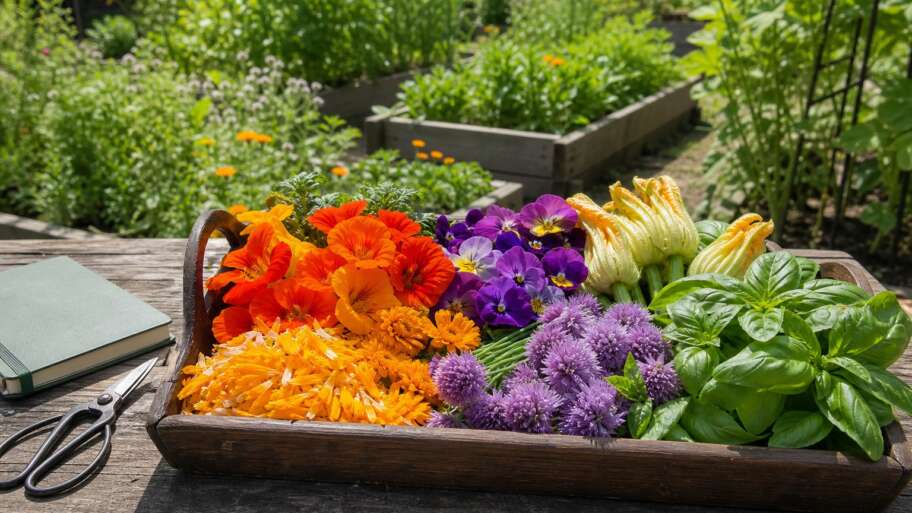
A phenology garden is a garden designed to tell time biologically. Not clock time, and not the tidy time of seed packets. It tells the time of bud swell, first flower, pollinator arrival, fruit ripening, leaf color, and dormancy. The USA National Phenology Network defines phenology as the study of timing and cyclical patterns in the natural world, especially annual…
A garden keeps more than one clock. The wall calendar says May. The lilac says first leaf. The soil says the beans can wait. The apple blossom, cabbage aphid, bumblebee, maple leaf, and milkweed pod each keep time in their own way, and a gardener who learns to notice those signals starts reading the year more accurately. Phenology is the…
Mosaiculture works when living plants are treated as changing pixels: selected for foliage, growth rate, viewing distance, irrigation, and maintenance.
Mosaiculture is a modern public-garden art with older roots in topiary and carpet bedding: plants become pixels, sculpture, and seasonal performance.
A useful bird bath is shallow, clean, visible, and tied into cover and planting. The best water feature works like habitat maintenance, not garden decoration.
A bird garden is often judged by the birds we can see: a cardinal on a seedhead, a wren in the shrub, a goldfinch working over coneflowers. Shelter is less showy. It is the dense twig, the evergreen pocket, the brush pile, the grass clump, and the nest box placed well enough to be useful without becoming an easy target.…
A bird-friendly garden is habitat first: layered planting, insects, seeds, berries, clean water, shelter, safer windows, and feeders used as supplements.
A very serious inquiry into what happens when painterly softness, wizardly structure, and slightly excessive lava are forced to settle a garden-design dispute.
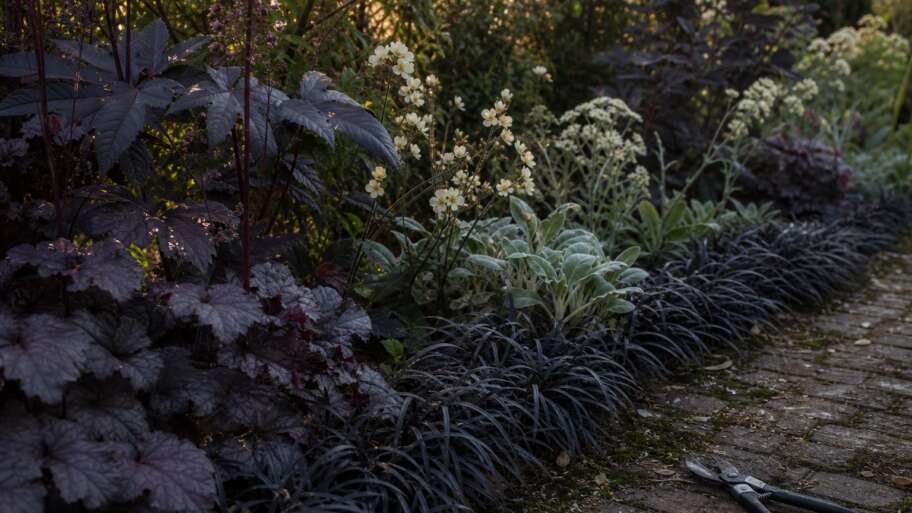
Harsh garden spots need diagnosis before drama: how heat, shade, compaction, mulch, and design principles turn difficult sites into resilient planting.
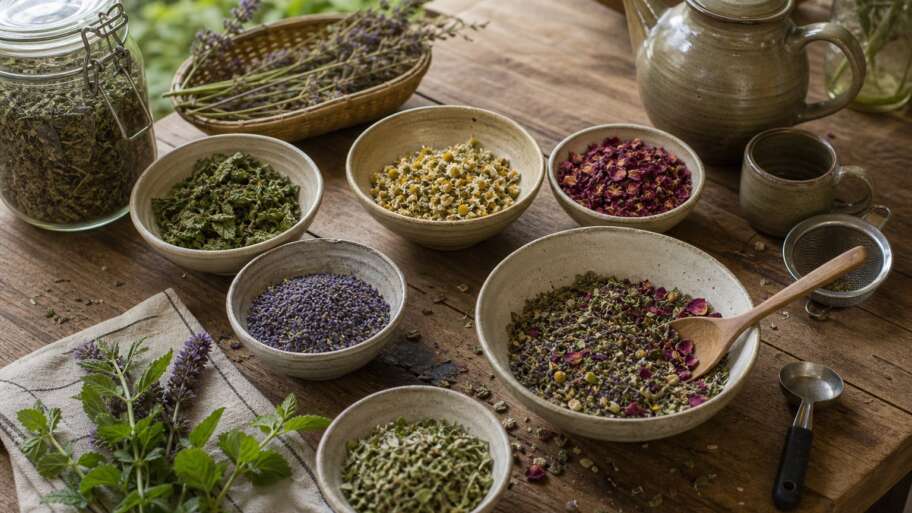
A homegrown spice is not just a dried thing in a jar. It is a leaf, seed, flower, bark, root, rhizome, or fruit caught at a particular moment. Harvest too early and the flavor is thin. Harvest too late and the plant may have already spent what you wanted to save. Dry too slowly and you invite mold. Dry too…