
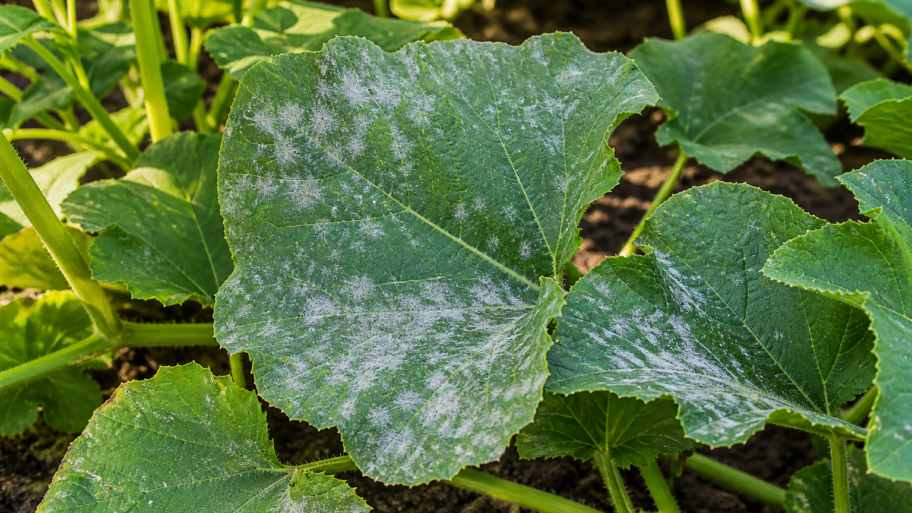
Powdery mildew often arrives looking almost harmless. A squash leaf that was green yesterday appears dusted with flour. A phlox stem has a pale bloom on its upper leaves. The cucumber patch still looks productive, the zinnias are still bright, and yet the garden has acquired a strange white weather of its own. The first instinct is usually to blame…
Pest and Disease Management
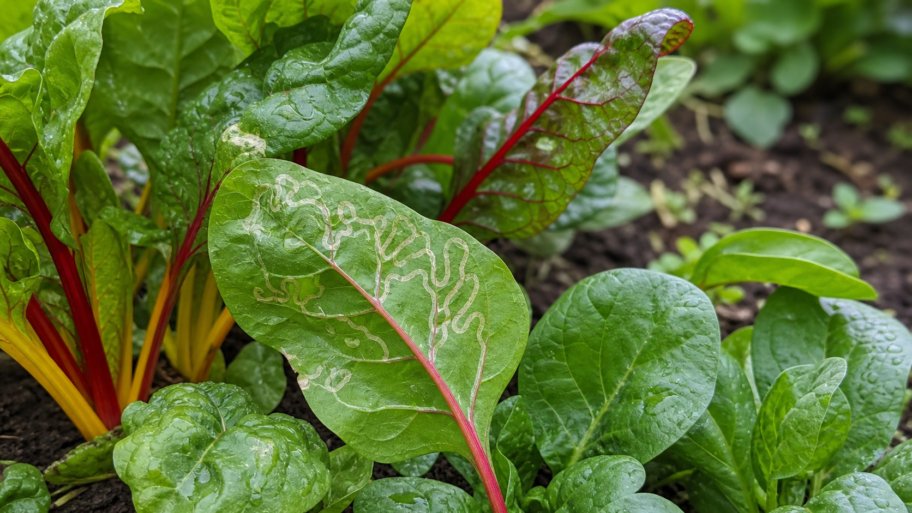
By June, a spinach leaf can begin to look as if something has been writing inside it. The surface is still mostly green, still cool from morning watering, but pale lines wander through the tissue in loose loops and narrow bends. They are too clean to be slug damage, too internal to be chewing, and too deliberate-looking to feel random.…
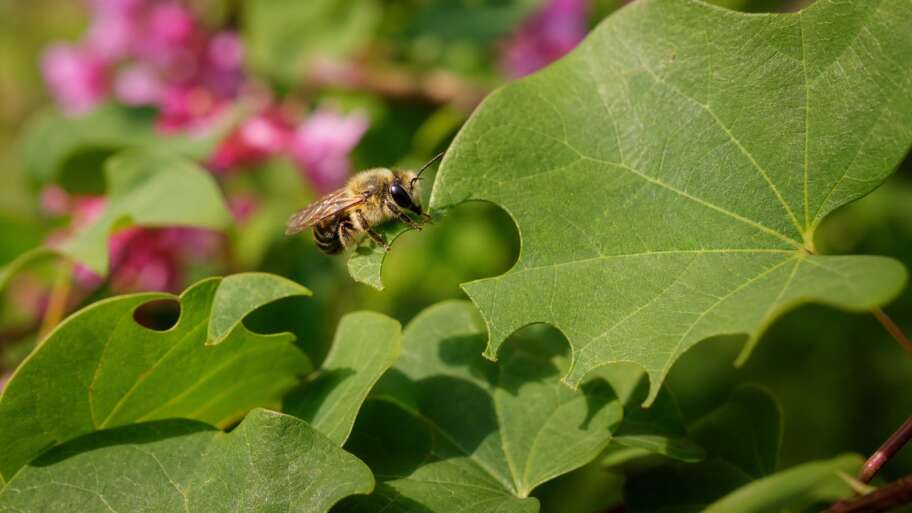
By late July, a rose leaf can look as if someone has touched it with a miniature punch. The edges are not shredded. The center is not speckled. Instead, neat half-moons have vanished from the margins, each one as clean as a bite taken by a very tidy pair of scissors. It is easy to read this as damage, because…
Read more about Why some leaves are cut into perfect circles
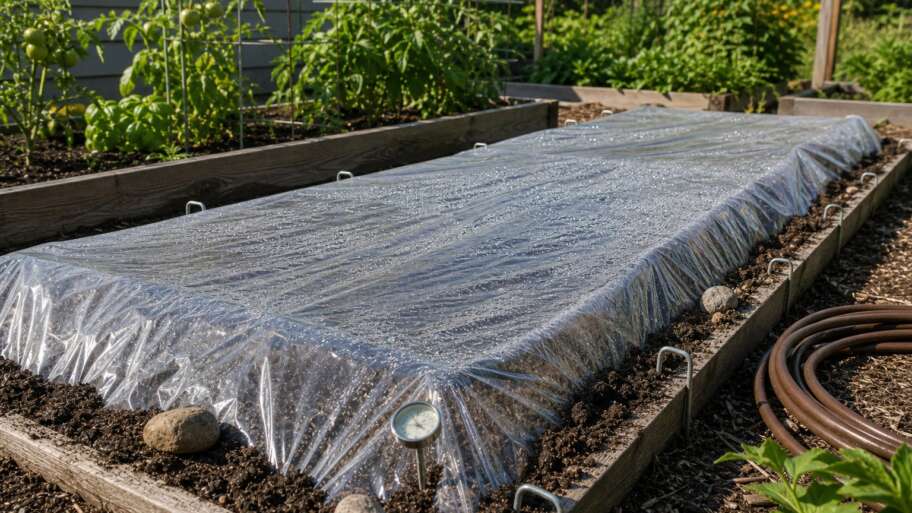
Soil solarization is gardening’s most disciplined use of a hot spell. Instead of fighting July heat, you borrow it. A bed is watered deeply, covered tightly with clear plastic, and left under the sun until the upper soil becomes hot enough to weaken weeds, weed seeds, some soilborne diseases, and certain pests. It looks almost too simple: bare soil, plastic,…
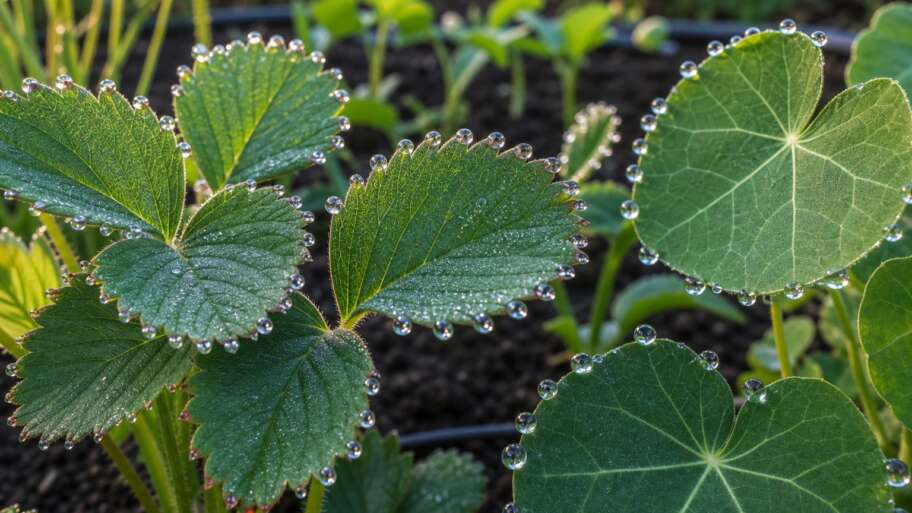
Some mornings, a garden looks as if it has been arranged by someone with a jeweler’s patience. Tiny droplets sit on the teeth of strawberry leaves. Beans carry clear beads at the very tips of their young leaflets. Grass blades hold a bright point of water where each blade narrows to a tip. The pattern is too neat to be…
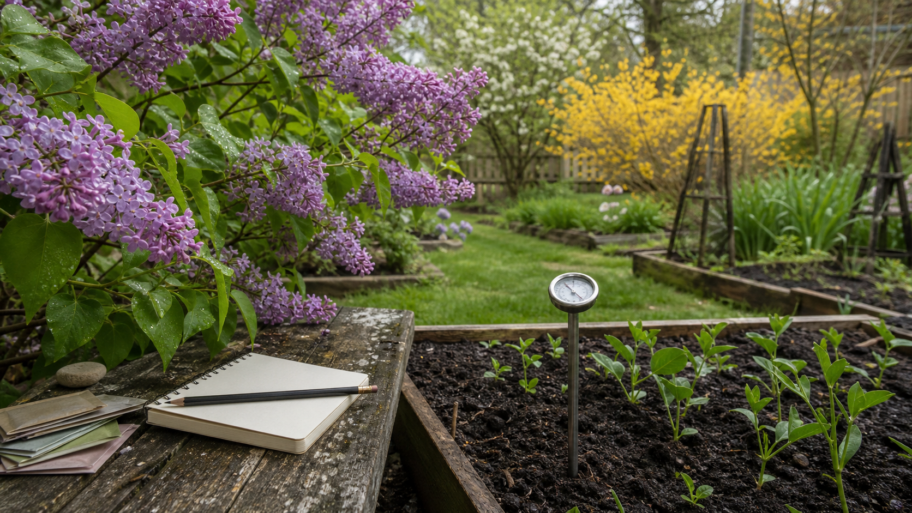
Every spring has two calendars. One hangs on the wall and moves forward one square at a time. The other opens unevenly in the garden: snowdrops first, then maple bloom, then forsythia, then the first lilac flowers, then the moment when peas stop sulking and beans begin to make sense. Gardeners get into trouble when they trust only the first…
Read more about When plants tell time: phenology for gardeners
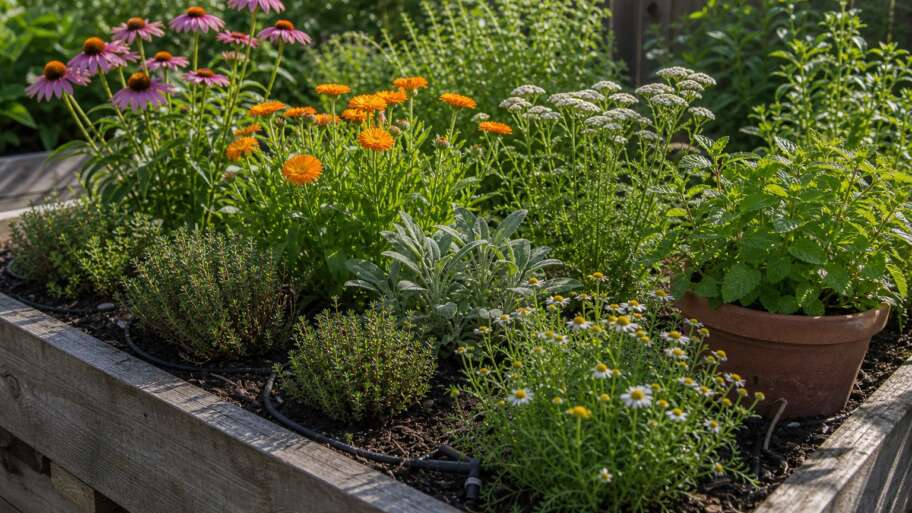
A medicinal herb garden should be cared for like a serious kitchen garden, not a cabinet of promises. The plants may have long histories of human use, but in the soil they still need the ordinary things: the right light, workable drainage, room for mature growth, water at the right moment, and attention before small problems become large ones. NC…
Read more about Caring for a medicinal herb garden with a clear head
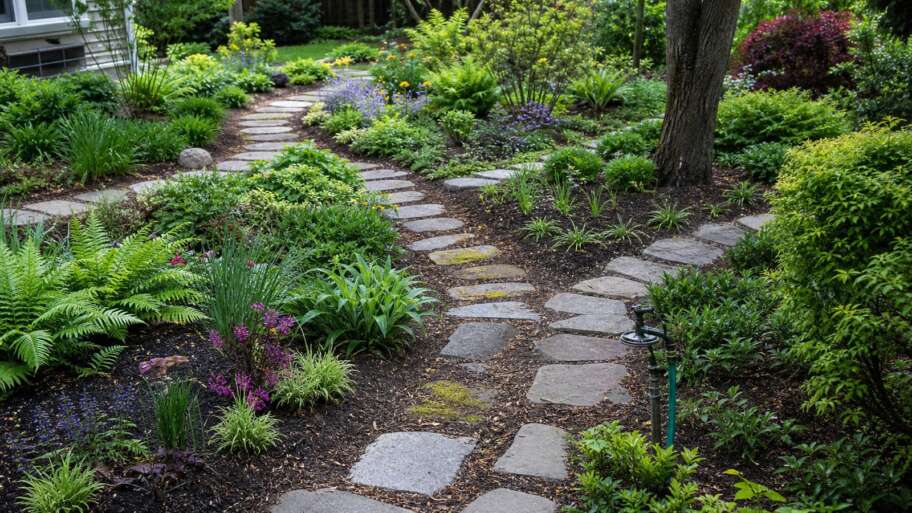
A game-inspired garden can be wonderful in its first season. The ferny corner looks like a hidden level, the stepping stones imply a quest, and the bright flowers seem to mark a point of arrival. Then July arrives. The path narrows under weeds, the containers dry twice a day, and the dramatic border begins to look less like a designed…
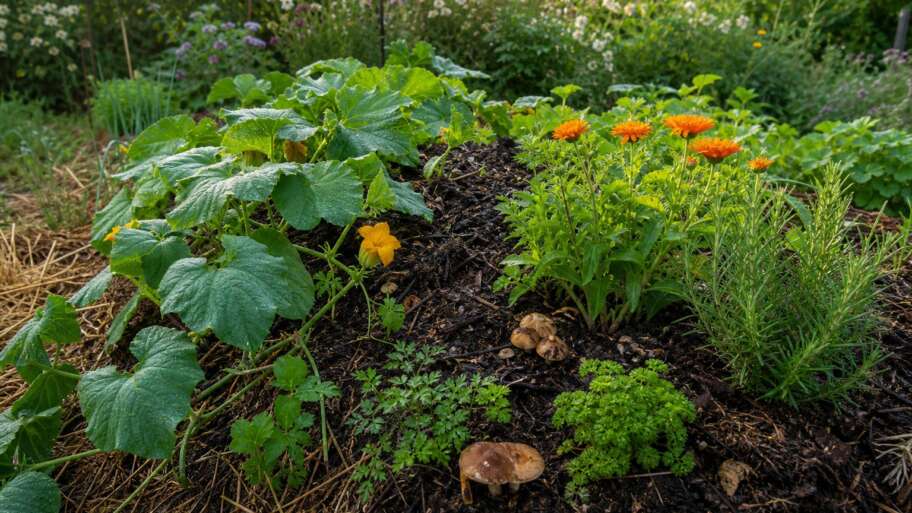
A fact-checked guide to hugelkultur beds: how to use buried wood, soil, mulch, water, and seasonal adjustment without turning the mound into a garden myth.
Read more about How hugelkultur works best when it behaves like soil
Fast garden maintenance should not feel like a raid on your own yard. The best version is quiet, regular, and slightly boring: a few weeds before they seed, a watering check before plants collapse, a path edge before it disappears, and a small repair before it becomes a weekend. Clemson Extension notes that no landscape is maintenance-free, but good planning,…
Read more about How to make garden maintenance faster without making it frantic