
The sleepy garden: why plants fold their leaves at night
The sleepy garden: why plants fold their leaves at night
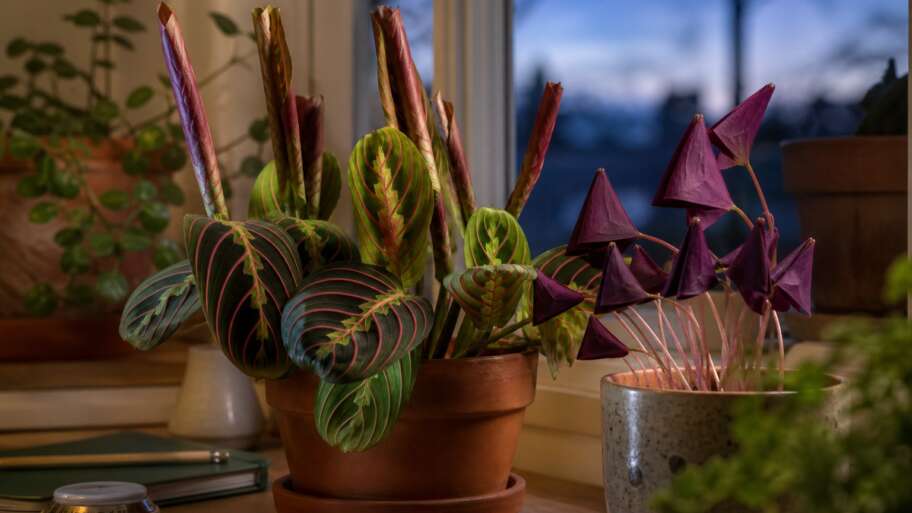
At dusk, some plants begin to rearrange themselves. A prayer plant lifts its patterned leaves until they stand like hands held together. Purple oxalis folds its triangular leaflets into little tents. Clover pulls its leaflets close, and some flowers that looked cheerful at lunchtime quietly close the shop. It is tempting to call this sleep, and gardeners have been doing…

Read more

How hard seeds wake up

How hard seeds wake up

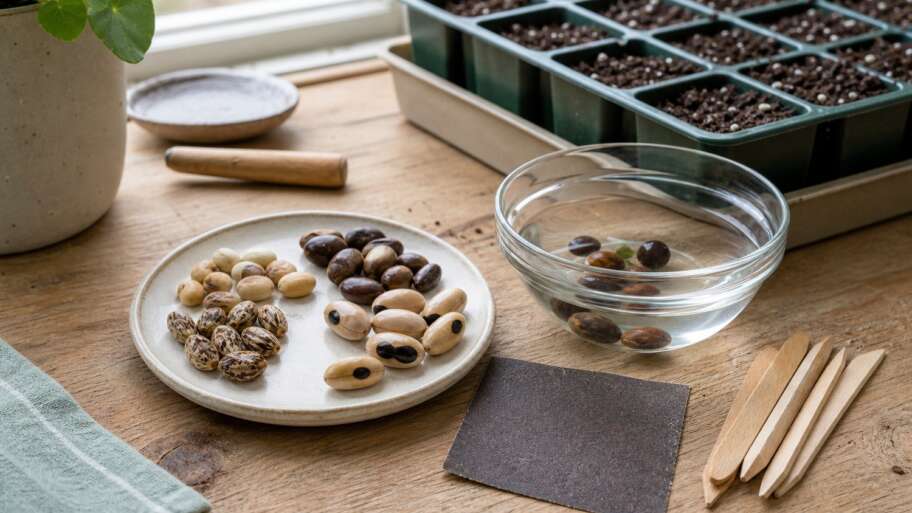
February is when seed packets begin to feel less like storage and more like possibility. They gather on the kitchen table in little paper stacks: sweet peas, nasturtiums, morning glories, lupines, okra, perhaps a packet of saved seeds from last summer whose name is written in fading pencil. Some will sprout almost as soon as they meet warmth and moisture.…

Read more

Borrowed Spring: Forcing Flowering Branches Indoors

Borrowed Spring: Forcing Flowering Branches Indoors

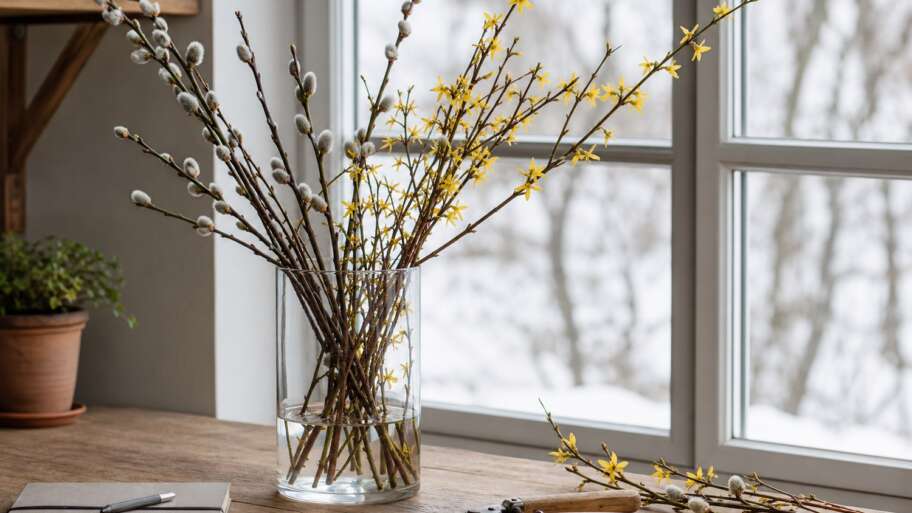
There is a particular kind of winter gardening that happens with a vase instead of a spade. You walk through the quiet garden with pruners in hand, choose a few sleeping twigs, bring them indoors, and let the warmth of the house persuade them to reveal what they have been holding since last year. Forcing flowering branches is not a…

Read more

Mossariums: Building a Tiny Rainforest Under Glass

Mossariums: Building a Tiny Rainforest Under Glass

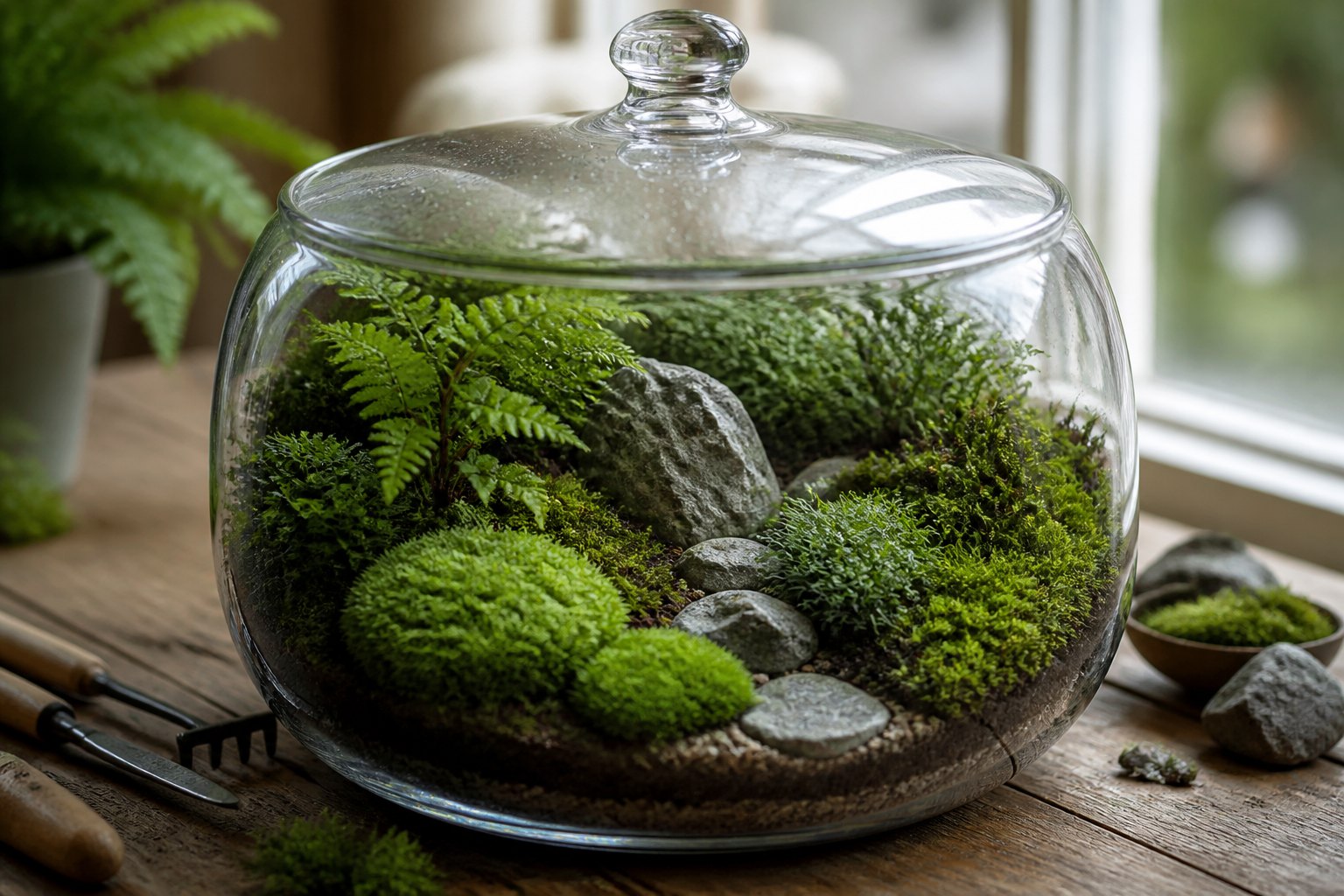
A mossarium is a garden reduced to its most intimate scale: a pane of glass, a few spoonfuls of substrate, a soft green colony of moss, and enough moisture to make a miniature weather system. It looks decorative, almost like a living object from a cabinet of curiosities, but it is also a small lesson in plant biology. Unlike a…

Read more

Carnivorous plant gardening: growing a small bog that works

Carnivorous plant gardening: growing a small bog that works

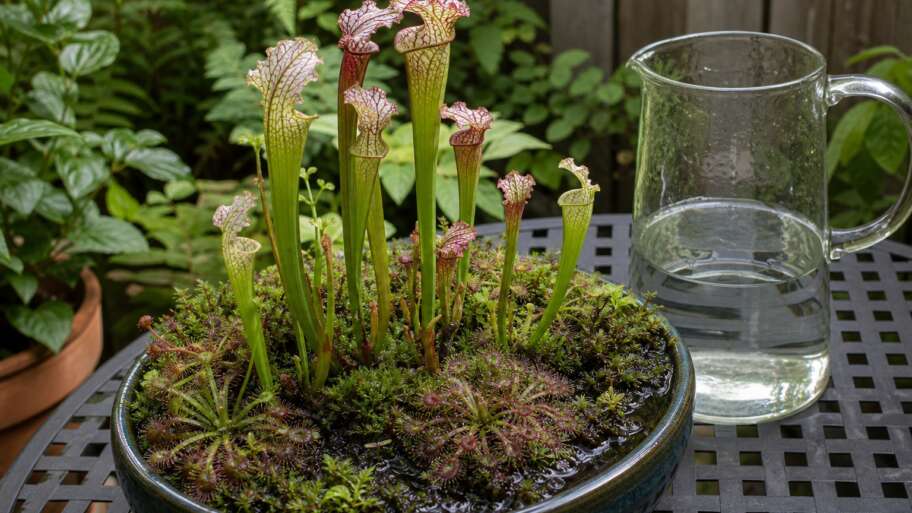
A carnivorous plant garden is not a horror movie in miniature. It is a wetland problem solved by leaves. Venus flytraps, sundews, and pitcher plants still photosynthesize. They still need light more than drama. What makes them strange is that they evolved in places where the soil gives very little back. The United States Botanic Garden summarizes the basic rule…

Read more

A medicinal herb garden, with the medicine kept honest

A medicinal herb garden, with the medicine kept honest

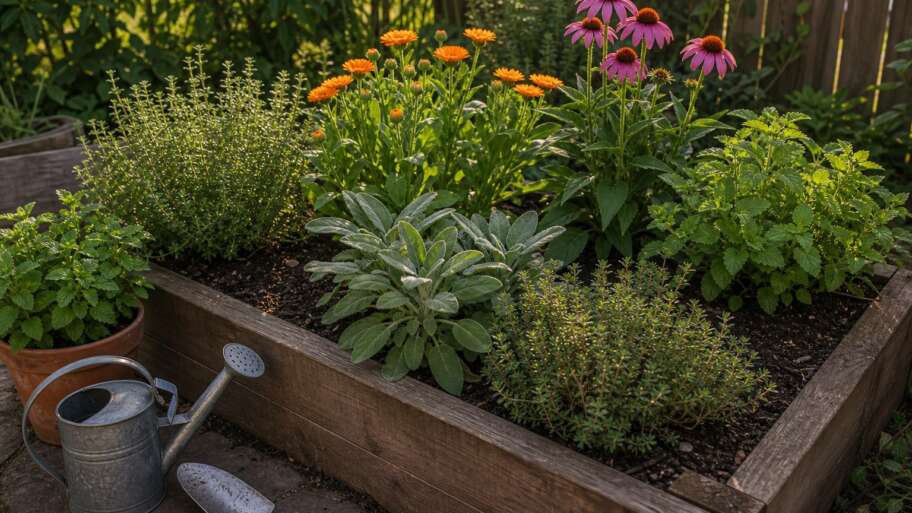
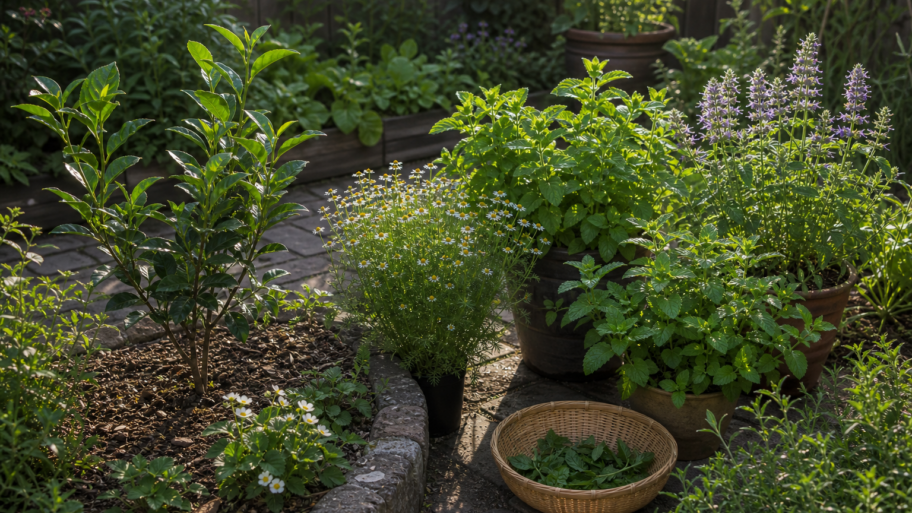
A medicinal herb garden can be a beautiful and useful part of a home landscape, but it should begin with honesty. Growing chamomile, calendula, mint, sage, or echinacea does not make a person a clinician. It makes a person a gardener with plants that have histories, flavors, fragrances, and sometimes biologically active compounds. MedlinePlus cautions that herbal medicines are not…

Read more

Keeping an aquaponic system stable before it becomes a crisis

Keeping an aquaponic system stable before it becomes a crisis

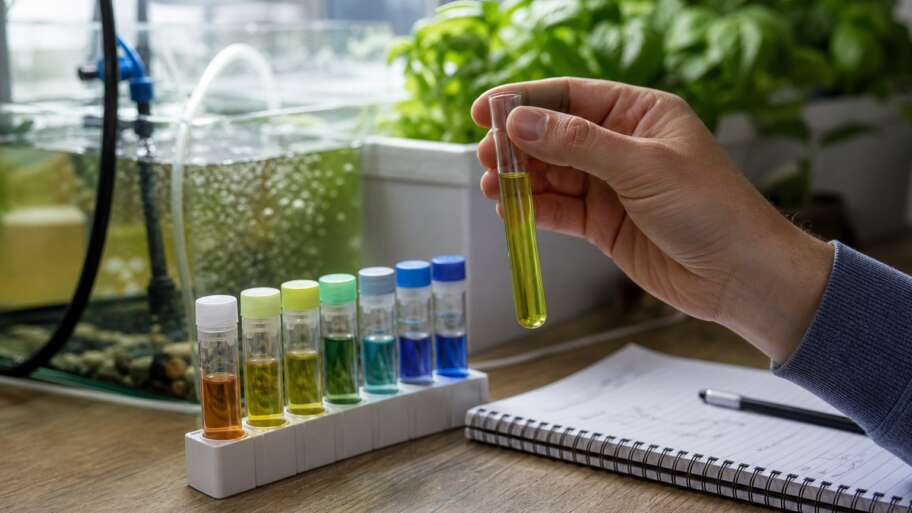
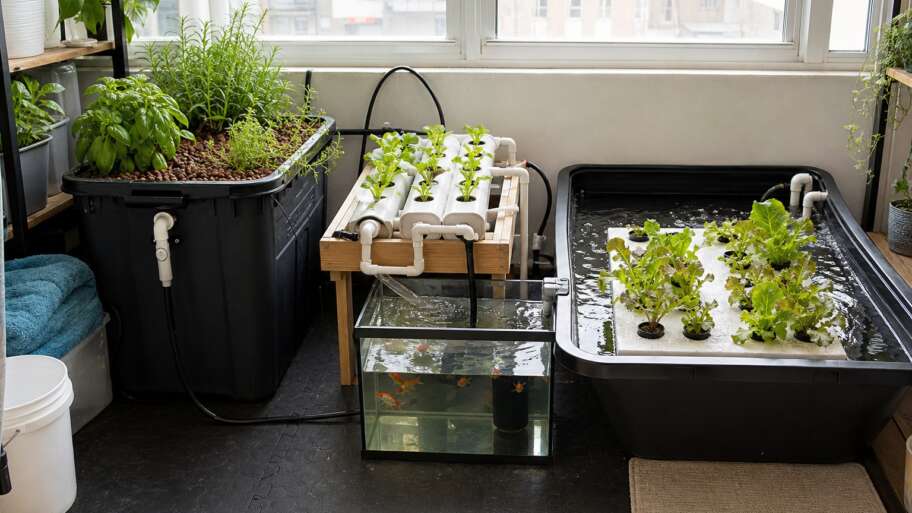
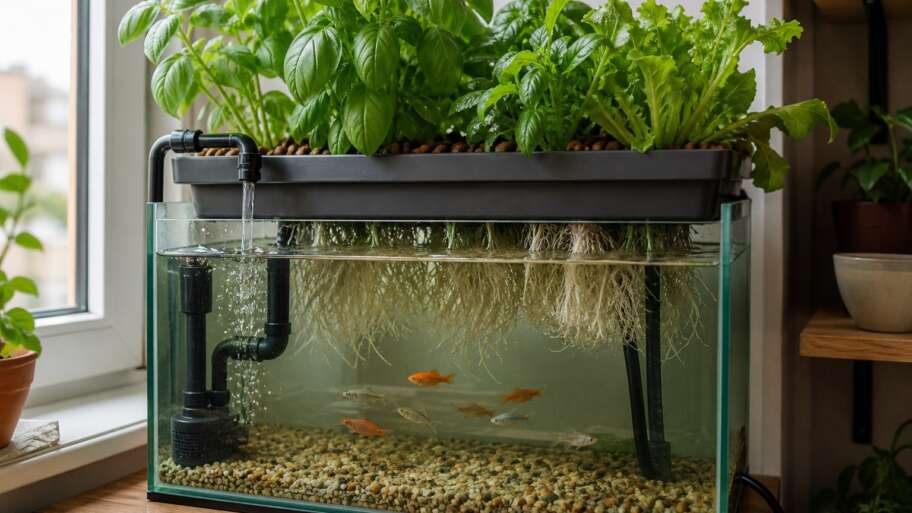
The easiest aquaponic problems to solve are the ones that still look boring. A pump hums a little differently. Fish come up for food more slowly. Lettuce that was bright yesterday looks slightly tired. A test tube shifts from pale yellow toward green. Those are not emergencies yet. They are the system giving you time. Aquaponics is often described as…

Read more

Choosing an apartment aquaponics system without overbuilding it

Choosing an apartment aquaponics system without overbuilding it

The second temptation in apartment aquaponics is equipment. Once the basic loop makes sense, it is easy to compare media beds, nutrient film technique, raft trays, towers, fish species, pumps, lights, and plumbing until the project becomes larger than the room it is supposed to fit. Aquaponics combines aquaculture with hydroponic plant production in one recirculating system, as USDA’s National…

Read more