
When seeds wait for smoke

When seeds wait for smoke

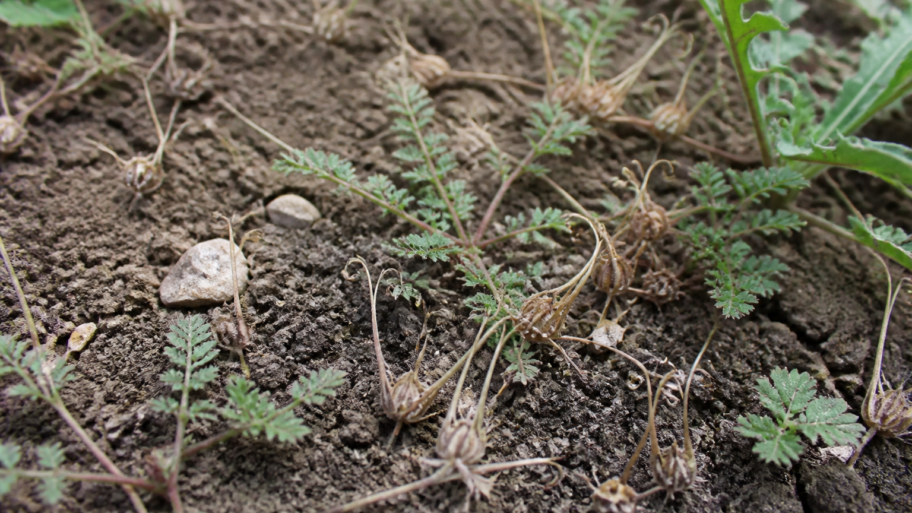
Most garden seeds are satisfied with ordinary invitations: water, air, a workable temperature, and enough contact with soil to feel that the season has turned. Beans swell. Lettuce stirs near the surface. A tomato seed, given warmth and moisture, behaves as if the world has made its intentions clear. Then there are seeds that seem to be waiting for a…

Read more

Why magnolias gamble with spring

Why magnolias gamble with spring

An April magnolia can look almost unreasonable. The grass is still thin, the perennials are barely showing, and the rest of the tree has not bothered with leaves. Then the branches open bowls of pink, cream, purple, or white into the cold air, as if the garden has skipped several pages and landed directly in bloom. That early display is…

Read more

The small pink rooms under pea plants

The small pink rooms under pea plants

A pea seedling looks simple when it first breaks the soil. Two pale halves of a seed have done their work below, a green shoot has hooked upward, and the first tendrils begin searching for something to hold. From above, it is all freshness and appetite. From below, if you lift the plant carefully a few weeks later, there may…

Read more

The spring flowers that borrow light from bare trees

The spring flowers that borrow light from bare trees

On a mild March day, the woodland floor can seem to wake before the trees have heard the news. The canopy is still a gray net overhead. Last year’s leaves are flattened and wet. Then, almost at ankle height, small flowers begin taking possession of the light: bloodroot opening like white paper, trout lily lifting yellow bells above mottled leaves,…

Read more

The first leaves a seedling wears

The first leaves a seedling wears

March seedlings have a way of making the whole gardening year feel suddenly physical. One week the packets are still paper promises. The next week, a tray on the windowsill is full of thin green stems lifting paired little leaves above the soil. They are so small that it is easy to treat them as decoration. In fact, they are…

Read more

How skunk cabbage makes its own spring

How skunk cabbage makes its own spring

Before the woodland has much color to offer, eastern skunk cabbage is already making weather of its own. It rises from wet leaf litter while snow still lingers in the shaded hollows, often with a clean melted ring around each maroon hood. Look closely and it does not resemble cabbage at all. It looks more like a small, mottled lantern…

Read more

Why seed potatoes wake before spring

Why seed potatoes wake before spring

A seed potato in February looks like a small argument against winter. It sits in a carton on a cool windowsill, still mostly tuber, but with blunt purple nubs beginning to rise from its eyes. Outside, the soil may be wet, cold, and not remotely ready. Inside the potato, spring has already begun negotiating. This quiet pre-sprouting is often called…

Read more

Why hellebores bow their flowers

Why hellebores bow their flowers

February is not a generous month in most gardens. It gives you mud, flattened leaves, and a few green shoots that may or may not mean spring is serious. Then a hellebore opens, and the whole scene becomes more interesting. It is not an easy flower in the theatrical sense. Hellebores make you stoop. Their blooms tilt toward the soil…

Read more